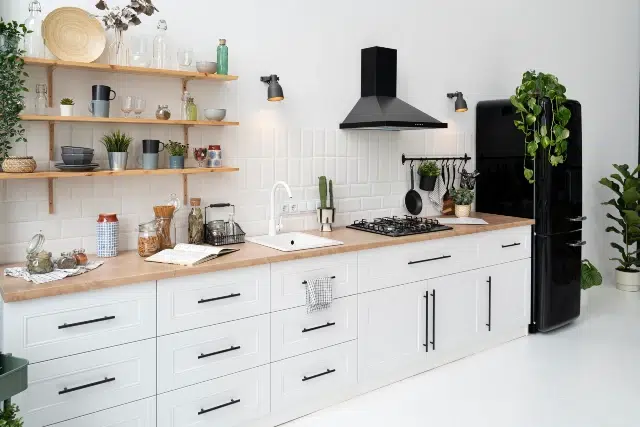
The modern kitchen has evolved far beyond its traditional role as simply a place to prepare meals. Today’s cooking spaces are becoming intelligent command centers, with smart displays in kitchen hubs leading this transformation. These intuitive interfaces are revolutionizing how we interact with our appliances, offering seamless control over ventilation systems, lighting, and cooking parameters at our fingertips.
For cooking enthusiasts who demand precision and convenience, advanced kitchen technology has become essential rather than optional. Smart displays integrate multiple functions into a single, user-friendly interface, eliminating the guesswork from kitchen management while enhancing the overall culinary experience. However, many home cooks still struggle with outdated range hood systems that lack the sophisticated features needed for today’s diverse cooking styles. The challenge lies in finding modern range hood technologies that combine powerful performance with intelligent controls, quiet operation, and intuitive interfaces that make cooking more enjoyable and efficient than ever before.
Benefits of Modern Range Hood Technologies
Modern range hood technologies have transformed kitchen ventilation from a basic necessity into a sophisticated system that enhances both cooking performance and kitchen ambiance. These advanced systems address the fundamental challenges that plague traditional hoods: inadequate smoke capture, excessive noise, and energy waste. By incorporating cutting-edge innovations, contemporary range hoods deliver superior air quality management while operating with remarkable efficiency.
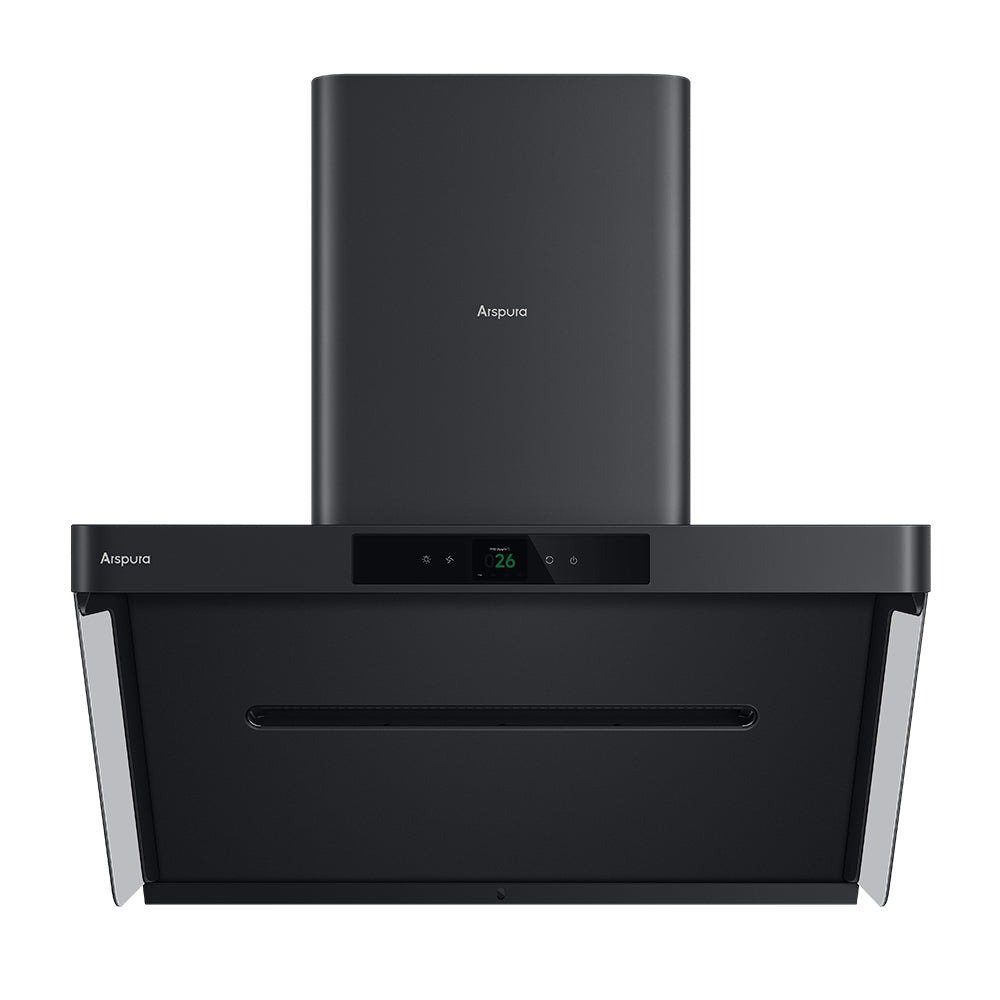
IQV technology represents a significant leap forward in ventilation intelligence. This smart system automatically adjusts suction power based on real-time cooking conditions, detecting heat levels and smoke density to optimize performance without manual intervention. When you’re searing a steak at high temperatures, the system instantly ramps up to maximum capacity. During gentle simmering, it scales back to conserve energy while maintaining adequate ventilation. This adaptive approach ensures your kitchen air remains fresh without constant adjustments, allowing you to focus entirely on your culinary creations.
The integration of BLDC motors has revolutionized hood efficiency and longevity. Unlike conventional motors that waste energy through friction and heat, brushless direct current motors convert electrical power into airflow with exceptional precision. They consume up to forty percent less energy while delivering stronger, more consistent suction across all speed settings. These motors run cooler and experience minimal wear, extending the hood’s operational lifespan significantly. The reduced vibration also contributes to quieter operation, creating a more pleasant cooking environment where conversations flow naturally and cooking becomes genuinely enjoyable rather than a noisy chore.
Under-Cabinet Hoods
Under-cabinet hoods have become the preferred ventilation solution for kitchens where space optimization meets functional design. These streamlined units mount discreetly beneath wall cabinets, preserving valuable storage while delivering powerful air purification directly above your cooking surface. Their strategic positioning places the capture zone precisely where smoke, steam, and cooking odors concentrate most heavily, ensuring maximum effectiveness without dominating your kitchen’s visual landscape.
The design versatility of under-cabinet hoods makes them adaptable to virtually any kitchen layout. Whether you’re working with a compact galley kitchen or an expansive culinary workspace, these units integrate seamlessly into existing cabinetry configurations. Modern iterations feature sleek profiles that complement contemporary aesthetics while maintaining the robust ventilation capacity needed for serious cooking. The low-profile construction doesn’t compromise on power — advanced filtration systems capture grease particles and airborne contaminants with impressive efficiency, protecting your cabinets, walls, and ceiling from the sticky residue that accumulates over time.
Installation simplicity represents another compelling advantage. Unlike island or wall-mounted kitchen hoods that require extensive ductwork modifications and structural support, under-cabinet models utilize existing cabinet frameworks for mounting. This straightforward approach reduces installation complexity and cost while providing flexibility for future kitchen updates. The proximity to the cooktop ensures that cooking byproducts are captured immediately upon release, preventing them from dispersing throughout your home. For homeowners seeking effective ventilation without sacrificing kitchen space or undertaking major renovations, under-cabinet hoods deliver an ideal balance of performance, aesthetics, and practical functionality that enhances daily cooking experiences.
Noise Level and Efficiency
Kitchen noise has long been an overlooked yet significant factor affecting cooking enjoyment and home comfort. Traditional range hoods often operate at decibel levels that make conversation impossible, forcing families to either endure the racket or sacrifice proper ventilation. Modern technologies have fundamentally addressed this challenge, delivering whisper-quiet operation without compromising extraction power. Advanced sound dampening materials, precision-engineered fan blades, and vibration-isolating mounts work together to reduce operational noise to levels comparable to normal conversation, transforming the kitchen from a loud industrial space into a comfortable gathering area.
Efficiency in ventilation extends beyond simple airflow measurements. Contemporary systems optimize energy consumption while maximizing air purification effectiveness, creating a sustainable approach to kitchen air quality. Smart sensors continuously monitor cooking activity, adjusting motor speed and power draw to match actual ventilation needs rather than running at full capacity unnecessarily. This intelligent modulation can reduce energy consumption by substantial margins compared to traditional hoods that operate at fixed speeds. The combination of efficient BLDC motors and adaptive control systems means your hood uses only the energy required for current conditions, lowering utility costs while maintaining pristine air quality.
Smart displays elevate noise and efficiency management by providing real-time feedback and intuitive controls. These interfaces display current decibel levels, allowing you to balance ventilation power against noise tolerance for different situations. When hosting dinner parties, you can select optimized modes that prioritize quiet operation while maintaining adequate air circulation. During intensive cooking sessions, you can monitor both performance metrics and noise output, making informed adjustments that suit your immediate needs. The display also tracks energy usage patterns, helping you identify opportunities to improve efficiency. This transparency empowers you to fine-tune ventilation strategies, creating a kitchen environment that’s both effective and pleasant for everyone who spends time there.
Smart Displays and User Experience
Smart displays have emerged as the central nervous system of modern kitchen hoods, transforming ventilation control from mechanical switches into intuitive digital experiences. These high-resolution touchscreens provide instant access to every hood function through responsive interfaces that feel as natural as using a smartphone. Gone are the days of fumbling with multiple buttons or guessing at appropriate settings — smart displays present information clearly and allow precise adjustments with simple taps or swipes. The visual feedback confirms your selections immediately, eliminating uncertainty about whether the hood is operating at the desired level or if filters need attention.
The user experience extends far beyond basic on-off controls. Modern smart displays integrate seamlessly with home automation ecosystems, allowing voice commands through popular assistants or remote operation via smartphone apps. You can activate ventilation before you even enter the kitchen, ensuring the space is prepared for cooking. Recipe integration features display cooking instructions directly on the hood’s screen, keeping your countertops clear while guiding you through complex preparations. Timer functions coordinate with cooking stages, automatically adjusting ventilation intensity as you transition from high-heat searing to gentle simmering. These intelligent features anticipate your needs, creating a cooking environment that responds fluidly to your culinary rhythm.
Touch controls on smart displays offer customization that adapts to individual preferences and cooking styles. You can program favorite settings for frequently prepared dishes, establishing optimal ventilation profiles that activate with a single touch. The interface learns from your usage patterns, suggesting adjustments that improve efficiency and comfort over time. Maintenance reminders appear proactively, alerting you when filters require cleaning or replacement based on actual usage rather than arbitrary timeframes. Ambient lighting controls integrated into the display allow you to set the perfect illumination for food preparation, entertaining, or creating evening ambiance. This level of personalization transforms the kitchen hood from a utilitarian appliance into an intelligent partner that enhances every aspect of your cooking experience.
Real-World Applications and Testimonials
Professional chefs and home cooking enthusiasts have discovered transformative benefits from integrating smart display technology into their kitchen workflows. Sarah Chen, a culinary instructor from Portland, describes how her smart hood display revolutionized her teaching kitchen: “I can now demonstrate techniques while maintaining perfect air quality without shouting over fan noise. The automatic adjustments mean I never have to interrupt lessons to fiddle with controls, and students can actually see the recipe steps displayed right above the cooking surface.” Her experience reflects a broader trend where cooking becomes more immersive and educational when technology removes distractions and anticipates needs.
Family cooking scenarios reveal equally impressive improvements in daily life. Marcus Thompson, a father of three who prepares weeknight dinners after work, credits his smart hood system with making cooking less stressful: “Before, I’d be juggling timers, checking recipes on my phone, and manually adjusting the hood while trying to prevent things from burning. Now everything coordinates automatically. The display shows my recipe, the ventilation adjusts as I move between cooking stages, and I can actually talk with my kids while preparing dinner. It’s transformed cooking from a rushed chore into quality family time.” His testimonial highlights how intelligent kitchen systems create space for connection by handling technical complexities invisibly.
Serious home cooks pursuing ambitious culinary projects report enhanced precision and confidence. Jennifer Rodriguez, who regularly hosts elaborate dinner parties, explains the impact on her entertaining: “High-heat searing used to fill my home with smoke, forcing guests outside. Now the smart system detects temperature spikes instantly and ramps up ventilation before smoke becomes visible. The noise control means conversation continues uninterrupted, and the ambient lighting features create the perfect atmosphere. My kitchen has become the heart of gatherings rather than a space people avoid during cooking.” These real-world applications demonstrate that smart displays deliver tangible improvements across diverse cooking styles and household needs, with manufacturers like Arspura offering solutions that integrate these advanced technologies into accessible home kitchen systems.
Transforming Your Kitchen with Smart Technology
Smart displays in kitchen hubs represent a fundamental shift in how we approach cooking and kitchen management. From IQV technology that intelligently adapts to cooking conditions, to BLDC motors that deliver powerful yet whisper-quiet performance, modern range hood technologies address the core challenges that have frustrated home cooks for generations. Under-cabinet designs maximize space efficiency while maintaining robust ventilation capabilities, and intuitive touchscreen interfaces transform complex operations into simple, enjoyable interactions that enhance rather than interrupt the cooking experience.
The testimonials from professional chefs, busy parents, and passionate home cooks demonstrate that these technologies deliver measurable improvements in daily life. Reduced noise levels facilitate conversation and connection during meal preparation. Automated ventilation adjustments eliminate distractions, allowing complete focus on culinary creativity. Smart integration features coordinate multiple kitchen functions seamlessly, creating cooking environments that respond intelligently to your needs. These aren’t incremental upgrades — they’re transformative solutions that make cooking more efficient, enjoyable, and accessible.
For cooking enthusiasts ready to elevate their culinary spaces, exploring modern range hood technologies with integrated smart displays offers immediate, tangible benefits. The combination of advanced ventilation performance, intelligent automation, and intuitive control creates kitchen environments where cooking becomes genuinely pleasurable. Investigate the latest innovations in kitchen hub technology and discover how smart displays can revolutionize your cooking experience, transforming your kitchen into the sophisticated, responsive space you’ve always envisioned.