Water damage, whether sudden or gradual, can disrupt lives and transform a safe haven into a stressful challenge. Flooding caused by storms, unexpected plumbing failures, and other water-related incidents can wreak havoc on the integrity and comfort of a home. In these trying moments, quick thinking and decisive action are vital to stop further deterioration and financial loss. Engaging reputable water damage restoration services can be the key to a safe and thorough recovery, ensuring every area of concern is professionally addressed. With proper guidance and a determined mindset, homeowners can restore their properties, secure their family’s well-being, and regain a sense of normalcy faster than they might expect. This comprehensive guide leads you through every essential step after water damage strikes, providing homeowners the confidence and clarity they need to manage the aftermath. By combining personal vigilance with expert input and strict adherence to insurance procedures, you can maximize your restoration efforts. Staying organized and proactive minimizes delays, reduces stress, and prevents costly mistakes, setting a strong foundation for a full recovery and renewed peace of mind.
Safety First: Assessing the Situation
Above all, personal safety must be your first priority before attempting to reenter or assess any water-damaged property. The potential hazards are many: compromised structural integrity resulting in sagging ceilings, buckling floors, or dislodged walls; electrical risks from exposed wiring or submerged outlets; and even potential contamination from floodwaters mixed with sewage or chemicals. Avoid entering standing water or any part of your home that appears unstable. If you notice strange odors, see cracks in the foundation, or hear unsettling noises, immediately retreat and call professionals. Utilities—especially electricity and gas—should be shut off by experts before you enter. When unsure, always seek advice from a licensed inspector or water damage restoration professional. Your safety and your family’s are irreplaceable; never take unnecessary risks.
That’s why a professional structural inspection should be prioritized before reoccupying or beginning repairs. Inspectors are trained to identify risks that aren’t always obvious to homeowners, such as weakened supports, shifting foundations, or hidden rot behind walls. This step ensures that you don’t unknowingly place yourself or others in harm’s way.
Once the immediate risks are addressed and the structure is deemed safe for entry, it’s time to bring in specialists who can conduct a more thorough evaluation. Engaging professionals with experience in damaged crawl space restoration ensures that any hidden hazards—such as compromised beams, rotted joists, or lingering moisture—are identified and remediated before they worsen. These experts use specialized equipment to assess the full extent of the damage, including areas that are difficult or dangerous for homeowners to reach.
Documenting the Damage
Once it is safe to enter your home, begin thorough documentation of every area impacted by water. Detailed records are indispensable during your insurance claim process and will help ensure fair compensation. Use your smartphone or digital camera to take wide-angle shots and close-ups of floors, walls, ceilings, and belongings like furniture, upholstery, electronics, and valuables. Document from multiple angles to capture the full extent of the destruction. Create an itemized list of all damaged items, including details like the item description, approximate age, original value, and current condition. Save all receipts for urgent repairs, cleaning expenses, and temporary accommodation costs. Organize this information digitally and in print to prevent losing key details. The more meticulous you are now, the smoother and faster your claims process will be, and the better your chance at a complete reimbursement.
Contacting Your Insurance Provider
Reach out to your insurance company as soon as possible to initiate the claim process. Early notification signals that you are proactive and ensures your case is handled promptly. Provide your insurer with the clear, organized documentation you have gathered—photos, videos, and inventories. Prepare to answer questions about the origin of the water (e.g., burst pipe, storm runoff), the spread of the damage, and what urgent remediation steps you have already taken. Insurance adjusters will likely need to visit your home, so keep all temporary repair receipts and ensure any clean-up efforts are well-documented. Review your policy thoroughly to verify which water damage scenarios are covered under your plan; exclusions for flooding versus burst pipes are common. If you encounter challenges or disputes in the claim process, consider consulting a public adjuster or legal professional to protect your interests and ensure you get the settlement you’re entitled to.
Water Removal and Drying
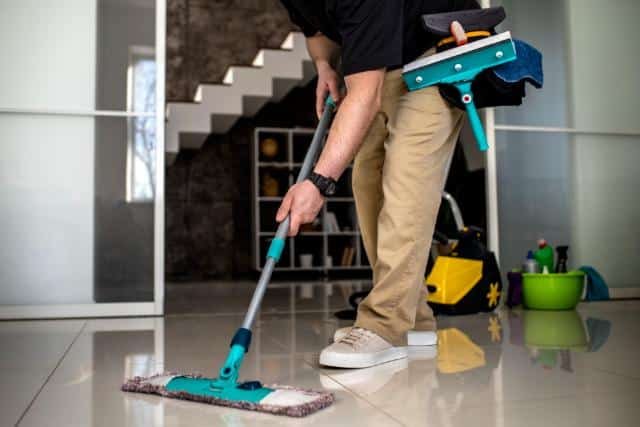
Acting quickly to remove water is vital to halt further property destruction and prevent mold infestation. Use wet-dry vacuums, pumps, mops, and buckets to extract as much standing water as possible, working from the top floor downward if your home has multiple stories. Open all doors, cabinets, and windows to maximize ventilation and decrease humidity levels. Set up fans and dehumidifiers to facilitate fast drying, taking care to monitor moisture levels in harder-to-reach spots behind walls, under carpets, or beneath baseboards. Remember that even small pockets of trapped moisture can trigger costly structural damage and a persistent mold risk. Professional water damage restoration companies excel at pinpointing these hidden moisture zones using specialized thermal imaging and moisture meters. Their expertise dramatically reduces drying time, protects your belongings, and helps avoid long-term health issues. Don’t hesitate to call professionals if the affected area is large or drying seems slow; their intervention can make all the difference between minor repairs and a major overhaul.
Mold Prevention and Remediation
The fight against mold begins immediately after water exposure and should be a top priority—dangerous colonies can appear within as little as 24–48 hours. Remove and discard any materials that cannot be thoroughly dried out, such as carpeting, insulation, or certain upholstered furniture. Surfaces that remain must be scrubbed clean and treated with EPA-approved mold inhibitors or disinfectants. Even minor mold growth should not be underestimated; inhaling spores can cause respiratory problems and allergic reactions, especially in children, the elderly, or those with weakened immune systems. If you spot active mold, do not attempt to remove it yourself—disturbing colonies without proper containment and filtration can worsen the spread. Hire mold remediation specialists who possess the necessary protective gear and follow industry safety practices. Proper mold remediation not only rids your home of contamination but also protects its resale value and your family’s health for the long term.

Structural Repairs and Restoration
Once everything is dry and sanitized, shift your focus to restoring the structural components of your home. Inspect studs, drywall, insulation, subflooring, and support beams for lingering water damage or mold. Replace all compromised materials without hesitation—even minor weaknesses can blossom into significant hazards if ignored. Engage only licensed and insured contractors who adhere to local codes and hold a reputation for quality workmanship. You may need the expertise of electricians or plumbers to repair or replace crucial utilities like wiring, outlets, water lines, or HVAC ducts. Water damage can require extensive plumbing intervention that can go beyond simple fixes, especially in older homes. Replacing degraded water lines can be a major project, but it is necessary to secure the home’s long term health.
If structural damage is severe, the main water lines might require significant replacement to ensure long term stability and prevent future leaks. For complete and reliable replacement of old or damaged piping, look for certified repipe specialists to handle this complex, critical work. Compliant and expert repairs not only restore your home’s strength and aesthetics but also help maintain its market value. Approach this phase thoughtfully; prioritizing structural integrity and professional insights ensures your home is as safe and sound as it was before the incident, if not better.
Preventive Measures for Future Protection
Safeguarding your home against future water intrusion is not just practical—it’s essential for peace of mind. Begin with regular inspections of your roof, attic, and foundation. Clean your gutters and downspouts to ensure proper drainage, and grade exterior landscaping to direct water away from your home. In flood-prone regions, invest in sump pumps, backflow valves, and water sensors to provide an early warning if leaks or flooding begin. Upgrade vulnerable spaces—like your basement, bathroom, or laundry area—with water-resistant flooring and wall finishing. Discuss your vulnerability with a qualified water damage restoration professional to identify bespoke solutions for your property. Arm yourself with knowledge by reviewing expert resources such as the Complete Post-Disaster Recovery Guide and the Time article on what to do if your home floods. Preparation and proactive maintenance transform your property from a risk-prone asset to a resilient family haven.
Taking swift, organized action—and seeking qualified, professional guidance when needed—helps you minimize losses, reclaim your home’s integrity, and shield your household from future water-related crises. Knowledge and a structured plan empower you to respond decisively in emergencies, safeguarding the comfort and security that make your home truly yours.