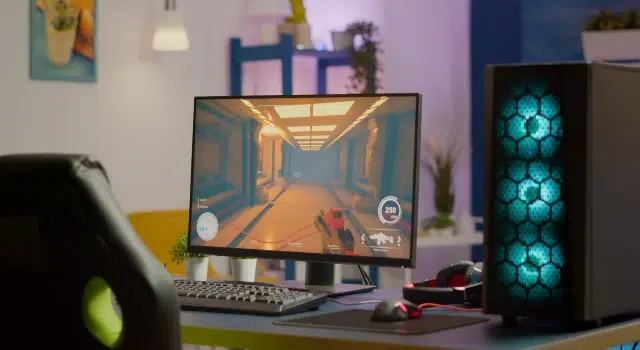
Choosing the right gaming system can feel complex because every player approaches games with different habits and expectations. Hardware balance, setup effort, and future flexibility all influence how satisfying a system feels over time. Prebuilt and custom options each serve clear purposes depending on play style and experience level. Let us explore how these options align with different types of gamers.
Entry-Level Play Needs
Many players begin with modest performance goals and a desire for smooth, reliable play rather than maximum visual settings. In this category, gaming PCs designed for entry-level use focus on balanced components that handle popular titles without unnecessary extras. These systems help with steady frame rates and simple setup, which reduces early frustration. Ease of use remains the main attraction for new players.
Prebuilt systems often fit this group well because they arrive ready for immediate use. Parts are tested together, which lowers the risk of compatibility issues. Custom builds at this stage may feel overwhelming due to part selection and assembly. For many beginners, simplicity carries more value than customization.
Performance Focus
Competitive players tend to prioritize speed, consistency, and responsiveness during play sessions. Hardware choices often center on processor strength and graphics capability. Memory speed and cooling also influence performance stability during intense matches. System balance plays a key role in maintaining smooth gameplay.
Custom configurations appeal to competitive players because they allow precise control over each component. Prebuilt systems can still work when specifications align closely with performance goals. The main difference lies in control over part selection. Fine adjustments help meet demanding play standards.
Hardware Balance Matters
Balanced systems reduce the risk of performance bottlenecks during fast-paced play. A powerful graphics card alone does not guarantee smooth results if the processor lags. Memory speed and capacity also contribute to responsiveness. Balance across components supports reliable competitive sessions.
Creative and Streaming Demands
Some gamers also create content or stream their sessions, which adds extra workload to the system. These tasks place demands on processing power. Multi-core processors help manage recording, editing, and broadcasting tasks together. Adequate memory supports smoother multitasking.
Prebuilt systems may help newcomers begin streaming without a complex setup. Custom builds allow deeper control over components that support creative work. Storage speed also affects video editing and file access. Thoughtful planning supports mixed-use systems.
Upgrade Path Considerations
Upgrade potential often determines how long a system remains useful. Some systems allow easy replacement of parts as needs change. Others limit upgrades due to compact cases or lower power capacity. Planning ahead helps avoid early replacement.
Custom builds usually offer clearer upgrade paths because components are selected individually. Prebuilt systems vary in flexibility depending on design. Case size and power supply rating influence future options. Awareness of these factors aids long-term satisfaction.
Budget Planning Clarity
Budget influences every decision during system selection. Prebuilt options often present clear price tiers that simplify comparison. This clarity helps players align expectations with cost. Custom builds require careful review of each component price.
Additional expenses may appear during custom assembly. Cooling solutions, cables, and tools add to the total cost. Prebuilt systems include these elements upfront. Budget awareness helps prevent overspending.
- Review the total cost of the core components
- Plan upgrades before final selection
- Balance short-term savings with long-term value
Space and Setup Limits
Physical space plays a larger role than many expect when choosing a system. Desk size and room layout influence case selection. Smaller cases suit limited areas but may restrict airflow. Noise levels also affect comfort during long sessions.
Prebuilt systems often optimize compact layouts for convenience. Custom builds allow more choice in case size and airflow design. Cooling style influences noise output. Space planning supports daily comfort.
Support and Maintenance Needs
Support access becomes especially important when technical issues arise or performance concerns appear unexpectedly. Prebuilt systems usually include centralized support for the full system, which helps streamline troubleshooting and communication. This approach reduces the need to identify which component caused a problem. Faster resolution often comes from having a single point of contact.
Maintenance expectations also differ between system types and user experience levels. Prebuilt systems often simplify upkeep for less experienced users through guided support and documentation. Custom systems require greater familiarity with hardware care, updates, and part replacement. Comfort level with maintenance tasks strongly influences which option feels more manageable over time. Prebuilt and custom options both serve clear roles across different gaming preferences and experience levels. Gaming PCs chosen with defined goals help align performance, budget, and flexibility more effectively. Some players value convenience while others prefer detailed control. Clear priorities support choices that remain satisfying well into the future.