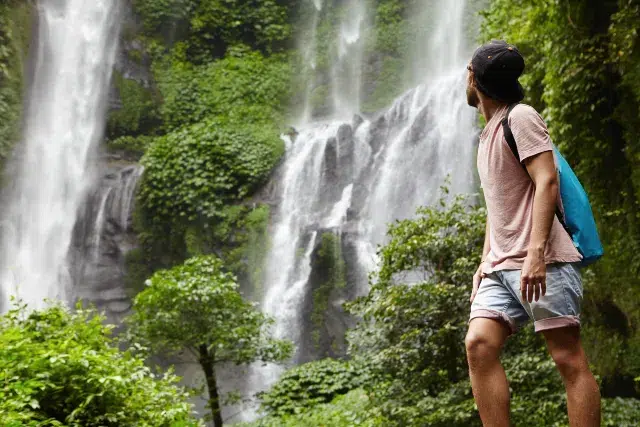
Kumbhe Waterfall, located deep within the Western Ghats of Maharashtra, is one of those rare natural wonders that feels untouched by mainstream tourism. While many waterfalls in the state attract heavy crowds during the monsoon, Kumbhe Waterfall preserves its serenity through its remote location and relatively less-explored trail. The trek to the waterfall takes visitors through the heart of dense forests, open plateaus, winding ghats, and breathtaking valley views. What makes this trek special is not just the waterfall itself, but the immersive experience of journeying through natural landscapes that truly come alive during the rains.
For adventure seekers and nature lovers, the Kumbhe Waterfall trek presents the perfect combination of accessibility and tranquility. It is manageable even for beginners, yet rewarding enough for experienced trekkers who enjoy offbeat trails. This expanded guide covers everything from the trek route and difficulty level to essential tips, packing advice, travel routes, costs, and frequently asked questions. Whether you’re planning a weekend getaway or looking for a scenic destination for nature photography, the Kumbhe trek is a compelling choice.
About Kumbhe Waterfall and Its Surroundings
Kumbhe Waterfall is located near Kumbhe village, not far from Gaganbawda, a well-known mountain pass in Kolhapur district. The geography of this region is uniquely diverse. The route shifts between dense forest patches filled with towering trees and moss-covered rocks to open landscapes that reveal panoramic views of the Ghats. Because the area receives substantial rainfall, especially between July and September, the waterfall swells dramatically and flows with renewed intensity.
The surroundings host rich biodiversity. Trekkers often report spotting unique flora, vibrant wildflowers during post-monsoon months, and occasionally a variety of bird species such as the Malabar Whistling Thrush or Indian Hornbill. The air feels cooler and purer here thanks to the dense greenery, making the entire trek refreshing. What stands out most is the calmness of the region. There is rarely any noise except for the sound of water, wind, and seasonal birds. This environment makes the trek an ideal place for meditation, photography, and reconnecting with nature.
Exact Location and Access
Kumbhe Waterfall is situated near the interior of Kolhapur district. The nearest major landmark is Gaganbawda, a hill station famous for its misty roads and deep valleys. From Kolhapur city, the route is straightforward, passing through lush highways that gradually ascend towards the Ghats. The last few kilometers near the village may include narrow, winding roads typical of mountain settlements, but the drive itself is scenic and immersive.
Once you reach Kumbhe village, a small parking area marks the beginning of the trek. Locals often offer guidance, and some may accompany visitors as paid guides. While navigation apps cover the route to the village, network coverage may weaken near the last stretch, making offline maps or local assistance useful.
Detailed Trek Route to Kumbhe Waterfall
The trek begins at Kumbhe village and leads to the forest trail within a few minutes of walking. The first stretch from the village to the forest is gentle and suitable for anyone, including beginners or families. As you enter the wooded area, the environment transforms dramatically. The trail becomes cooler, and the sound of cicadas and rustling leaves becomes more noticeable. During monsoon, the soil tends to be soft and slightly slippery, so careful steps are recommended.
After walking through the forest for about half an hour, the trail gradually opens up into an elevated plateau. This plateau section offers the first clear viewpoint of the valley and distant hills. The breeze here feels refreshing, and trekkers often pause to appreciate the scenery. The terrain becomes more visible, and the distant sound of the waterfall becomes louder.
The final leg of the trek involves descending toward the designated viewpoint area. This portion is slightly steeper compared to the earlier segments. During peak monsoon, the path may be lined with wet grass and loose stones, requiring slow and mindful movement. Once you reach the viewpoint, the grand sight of the multi-tier waterfall plunging down the mountainside greets you. The mist rising from the impact creates a magical atmosphere, making it a perfect setup for photography, videos, or simply sitting down and enjoying the moment.
Trek Route Overview Table
| Route Segment | Approx. Distance | Time Required | Difficulty |
|---|---|---|---|
| Village to Forest | 0.5 km | 10–15 min | Easy |
| Forest Walk | 1 km | 30–40 min | Easy–Moderate |
| Plateau Section | 0.6 km | 20 min | Easy |
| Final Descent | 0.4 km | 15–20 min | Moderate |
| Total | 2.5–3 km | 1.5–2 hours | Easy–Moderate |
Best Time to Visit Kumbhe Waterfall
The monsoon season, between July and October, is undoubtedly the best period to visit Kumbhe Waterfall. This is when the waterfall achieves its highest intensity, flowing with full force and surrounded by lush greenery. The trail also feels more vibrant during this season, with moss-covered trees, blooming flowers, and flowing streams.
However, visiting during post-monsoon months like November can also be a pleasant experience. The weather remains cool, the landscape still retains its charm, and the waterfall continues to flow moderately. Winter days between December and February offer calm weather and clear skies, making the trek extremely comfortable, though the waterfall may not be as dramatic.
It is advisable to avoid visiting during the summer months between March and June when the water flow reduces significantly, and the surrounding terrain becomes dry.
Experience and Activities at Kumbhe Waterfall
A trip to Kumbhe Waterfall is not limited to trekking alone. Many visitors spend additional time exploring the surroundings, engaging in photography, watching birds, or simply enjoying a peaceful break from city life. The waterfall viewpoint itself is a captivating place to sit and admire the interplay of mist, light, and greenery.
Nature photographers particularly enjoy the variety of scenes available. The dense forest, fog-covered valleys, running streams, and the waterfall itself create multiple opportunities for capturing stunning visuals. Bird enthusiasts also love this region because of its diverse avian life. The soundscape during monsoon mornings is especially soothing.
Trekkers often combine their visit with a tour of nearby locations such as Gaganbawda hill station, Barki Waterfall, or even Radhanagri Wildlife Sanctuary. These locations are close enough to make a full-day or weekend itinerary.
Difficulty Level and Physical Requirements
The Kumbhe Waterfall trek is categorized as Easy to Moderate. Most healthy individuals can complete the trek comfortably, especially during stable weather conditions. Beginners often find this trek a great introduction to monsoon trekking because the path does not involve any technical climbing or risky ledges.
The most challenging sections are usually the muddy forest path during monsoon and the final descent near the viewpoint. Trekkers with knee issues may find the descent slightly strenuous but manageable with rest and support. A reasonable level of fitness, comfortable walking pace, and attention to footing are sufficient.
Essential Safety Tips for a Smooth Trek
Monsoon treks require extra caution, and the Kumbhe trail is no exception. Wearing good-quality trekking shoes makes a significant difference, especially on slippery or uneven surfaces. It is advisable to start early in the morning so that you can complete the trek before fog intensifies or evening rain begins.
Carrying basic essentials like a first-aid kit, drinking water, and rain protection ensures safety and comfort. Trekkers should avoid venturing too close to the waterfall edge, as the rocks are usually covered in moss and remain slippery throughout the season. It is always wise to trek in a group or with a guide who understands the terrain.
Packing Checklist for Kumbhe Waterfall Trek
Carrying lightweight but important items can greatly enhance the trekking experience. Essential items include waterproof trekking shoes, a comfortable backpack, water bottles, and a poncho or raincoat. Some trekkers prefer carrying energy bars or fruits for quick refreshment. Optional but useful items include a camera, trekking pole, GPS-enabled smartwatch, and a power bank.
How to Reach Kumbhe Waterfall from Major Cities
Travelers from Pune generally take the route through Satara and Karad before reaching Kolhapur, eventually driving toward Gaganbawda and Kumbhe village. The total journey takes around six hours by road. From Mumbai, the travel time increases, but the drive remains scenic as it passes through the Mumbai–Pune Expressway before merging with the same route leading toward Kolhapur.
Visitors from Kolhapur enjoy the shortest and most convenient journey. The drive from Kolhapur city to Kumbhe village usually takes around one hour. Public transport may be limited near the last leg of the route, so private vehicles or hired taxis are preferred.
Estimated Costs and Local Expenses
The Kumbhe trek is relatively budget-friendly. The primary expenses include travel, snacks, guide fees if required, and minor parking charges. Travelers from Kolhapur generally spend between ₹600 and ₹1,000 on transport, depending on the mode of travel. Local guides usually charge between ₹300 and ₹600 per person, while food and snacks from small vendors may cost around ₹200 to ₹400.
FAQs About Kumbhe Waterfall Trek
Is it safe to trek during monsoon?
It is safe when proper precautions are taken, but trekkers should avoid venturing too close to the waterfall edges and always wear good shoes.
Can beginners join the trek?
Yes, the trek is suitable for beginners and families, though monsoon conditions may require additional care.
Is a guide necessary?
Not mandatory, but useful for first-time visitors who may not be familiar with the forest routes.
Are food options available?
A few local homes may offer snacks or meals, but carrying your own food is recommended.
Is it suitable for children?
Children above the age of ten can participate with adult supervision.
Conclusion
Kumbhe Waterfall offers an unforgettable combination of adventure, natural beauty, and tranquility. The trek is a delightful journey through forests, plateaus, and scenic ghats, culminating in a mesmerizing view of the waterfall’s powerful descent. Whether you’re seeking a weekend escape, a photography destination, or a peaceful break from routine, the Kumbhe Waterfall trek promises a rich and refreshing experience. With the right planning, proper safety measures, and suitable timing, this trek can become one of your most cherished monsoon memories.