The face of memory care is transforming, not quietly, but boldly, with the help of modern technology. What was once a world of rigid routines and limited resources is now becoming a dynamic, personalized, and compassionate space that blends care with innovation.
Families today are seeking more than just safety for their loved ones—they’re seeking connection, dignity, and meaningful engagement. Thanks to a new wave of tech tools, memory care providers are now offering just that.
A New Generation of Connection: Virtual Reality and Immersive Experiences
One of the most heartwarming breakthroughs in memory care is the use of virtual reality. These immersive tools give people the chance to “travel” to familiar places, experience calming environments, or revisit happy memories from their past. Whether it’s a childhood street, a concert, or a peaceful beach, these experiences can stir joy, reduce agitation, and bring a sense of comfort that traditional therapies often can’t match.
For families, it means knowing their loved one isn’t just being looked after, they’re being engaged.
AI Companions That Support and Soothe
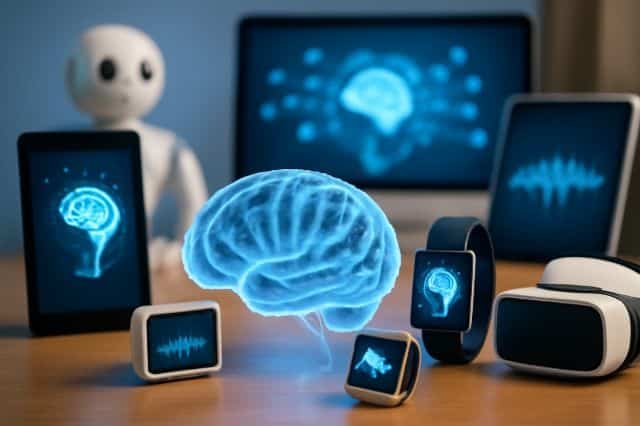
Artificial intelligence has moved from science fiction into the heart of care homes and assisted living communities. Friendly AI companions can now assist with daily reminders, provide interactive games to stimulate the mind, and even engage in light conversation—helping reduce feelings of loneliness and supporting cognitive stimulation.
These tools don’t replace human connection, but they do offer additional support, especially during quiet moments when staff or family may not be immediately available.
Voice Assistants and Smart Prompters
Memory care residents often struggle with everyday tasks that require prompts—such as taking medication, finding personal belongings, or navigating routines. Now, wearable memory aids and smart voice assistants can provide those reminders in a soothing and personalized way.
These devices empower people to retain a sense of independence while still being supported—preserving confidence and dignity.
Environments That Think Ahead
Smart environments—designed with motion sensors, gentle lighting, and intuitive safety systems—are becoming the norm in progressive memory care facilities. These homes don’t just react to needs; they anticipate them.
Technology can now track patterns of movement, identify restlessness at night, or signal a caregiver when a resident may be wandering. This results in safer, more adaptive living spaces without feeling clinical or cold.
If you’re beginning your search for a provider that embraces innovation while remaining rooted in compassion, Cedarcreekassoc.com offers a glimpse into how cutting-edge care can make all the difference.
Interactive Therapy Through Play
Memory care isn’t just about managing symptoms—it’s about bringing joy back into daily life. Interactive projection systems now allow residents to play games on tabletops, floors, or walls—using hand gestures and movements to interact with vibrant, playful visuals.
These types of therapy spark engagement, social interaction, and moments of delight, especially for those in the later stages of cognitive decline.
Data-Driven Insight for Personalized Care
Behind the scenes, many memory care professionals are using secure platforms that collect and analyse data in real time. These tools track changes in mood, sleep, mobility, or appetite—allowing care teams to detect subtle shifts that might indicate a need for medical or emotional support.
This proactive approach allows families to feel confident that their loved ones are receiving care that evolves with their needs, rather than waiting for problems to arise.
Care That Feels Human—Powered by Innovation
While these technologies are impressive, their true power lies in their ability to enhance what matters most: human connection, empathy, and trust. The best memory care providers aren’t using tech to replace caregivers—they’re using it to empower them. To help them spend more time engaging with residents and less time managing repetitive tasks.
This blend of high-tech and high-touch care is creating environments where people with memory loss can live not only safely, but with joy, purpose, and pride.