

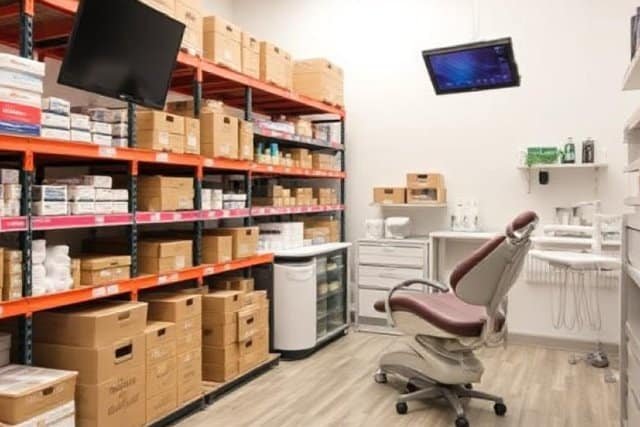
Running a successful dental practice depends on much more than skilled clinicians. It requires a reliable supply chain that ensures the right tools and materials are always available. From everyday consumables to specialized products, wholesale supply chains form the backbone of modern dentistry, helping practices maintain efficiency and deliver high-quality patient care.
What Role Do Wholesale Suppliers Play?
Wholesale suppliers serve as a critical link between manufacturers and dental practices. By purchasing in bulk, they secure competitive prices and make it possible for clinics to access a wide variety of products through a single channel. This model allows practices to avoid the complexity of dealing with multiple suppliers and ensures a consistent flow of everything from gloves and disinfectants to restorative materials.
One example is the supply of temporary dental cement, which dentists rely on when securing crowns, bridges, or fillings before permanent solutions are fitted. These materials may not seem as critical as high-value equipment, yet their availability directly affects the ability of a practice to deliver seamless patient care. Wholesalers make sure such essentials are always in stock, allowing dentists to focus on treatment rather than supply shortages.
Keeping Inventory Organized and Reliable
Dental practices rely heavily on efficient inventory management. Having the right materials on hand prevents treatment delays and reduces stress for both staff and patients. Many clinics adopt structured inventory systems to monitor stock levels, anticipate demand, and trigger timely reorders. This proactive approach is especially important for high-turnover consumables such as gloves and masks, but it is equally vital for specialized items like restorative cements, which may be needed in urgent situations.
Risk Management in Supply Chains
Supply chains can be vulnerable to disruptions ranging from transportation delays to global events. Practices that depend on just-in-time delivery are particularly at risk, as even a short delay can impact scheduled treatments. To mitigate this, wholesalers often work with a network of manufacturers and distributors, ensuring that if one source is unavailable, another can step in. Practices benefit from this resilience, gaining peace of mind that critical materials will not suddenly run out.
Technology’s Expanding Role in Supply Chains
Technology is reshaping how dental practices order and manage supplies. Online portals provided by wholesalers allow clinics to review stock, place orders, and track deliveries with ease. Automated systems now integrate directly with inventory management software, so when supplies of an item fall below a set threshold, a reorder is triggered automatically. This eliminates manual tracking and reduces the risk of human error.
Artificial intelligence (AI) is also beginning to influence procurement. Predictive analytics can assess usage patterns in a dental practice and forecast future demand with impressive accuracy. For example, if a clinic sees an increase in restorative cases, the system can automatically increase orders for materials like temporary cement or bonding agents. This not only ensures continuity of care but also helps practices control costs by preventing overstocking.
Additionally, wholesalers are using advanced logistics tools to optimize delivery routes, shorten lead times, and provide real-time shipment tracking. These innovations mean that practices can plan treatments more confidently, knowing that supplies will arrive when expected. Some distributors are even experimenting with blockchain systems to create transparent supply chains, offering clinics assurance about product authenticity and ethical sourcing.
A System that Supports Patient Care
Ultimately, the efficiency of a dental practice is closely tied to the strength of its supply chain. A robust wholesale network, supported by technology, enables clinics to access a wide range of materials reliably and efficiently. From routine check-ups to complex restorative treatments, every procedure relies on the assurance that vital products are available on demand. This stability allows dental professionals to spend less time worrying about procurement and more time focusing on their patients.
Final Thoughts
Wholesale supply chains are the invisible framework that keeps dental practices fully equipped and ready to serve patients. By combining bulk purchasing power, efficient inventory systems, and proactive risk management with cutting-edge technology, suppliers create the resilience practices need. With reliable access to essentials, dental professionals can maintain continuity, reduce operational stress, and deliver the highest standard of care in a fast-evolving industry.


