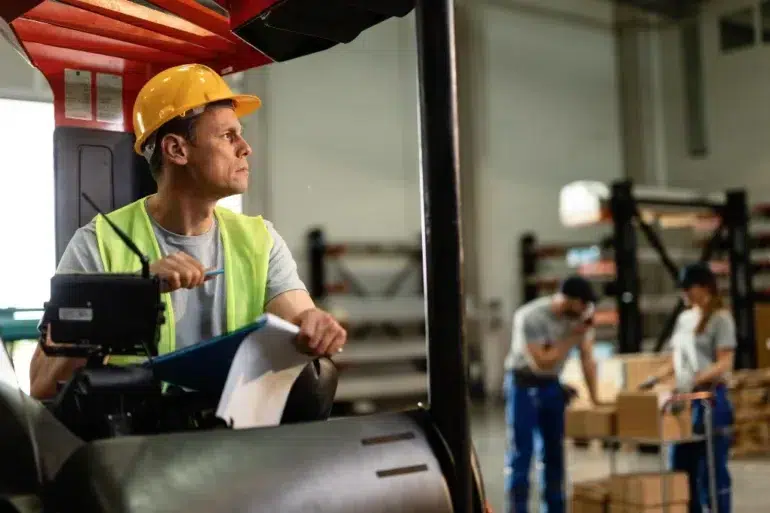
Selecting the right lifting equipment is no longer just a matter of convenience—it’s a critical business decision that directly impacts safety, productivity, and operational efficiency. Across industries like construction, warehousing, and facility maintenance, companies are facing increasing pressure to optimize workflows while maintaining strict safety standards.
With a wide range of lifting solutions available, from aerial platforms to forklifts, choosing the right equipment can feel overwhelming. Each option serves a specific purpose, and making the wrong choice can lead to delays, higher costs, and even workplace hazards. Businesses today need a practical, informed approach that balances performance, budget, and long-term value.
This guide breaks down the key factors to consider, helping you make a confident, well-informed decision when investing in lifting equipment for your operations.
Understanding Your Operational Needs
Before exploring equipment options, it’s essential to evaluate your specific operational requirements. Every business has unique workflows, and lifting equipment should align seamlessly with daily tasks.
Start by identifying the type of work being performed. Are you lifting heavy materials vertically, accessing elevated workspaces, or transporting loads across a facility? The height requirements, weight capacity, and frequency of use all play a major role in determining the right solution.
For example, businesses working in confined indoor environments often benefit from compact, electric-powered equipment. On the other hand, outdoor construction projects may require rugged machines designed for uneven terrain.
It’s also important to consider the working environment—factors like floor conditions, space limitations, and weather exposure can significantly influence equipment performance.
By clearly defining your operational needs upfront, you reduce the risk of investing in equipment that doesn’t fully support your workflow, ultimately saving time and resources.
Exploring Different Types of Lifting Equipment
Once your needs are clear, the next step is understanding the available equipment types and their applications. Each category is designed for specific tasks, and choosing the right one can dramatically improve efficiency.
Scissor lifts, for instance, are ideal for vertical elevation tasks where stability and platform space are essential. They are commonly used in maintenance, installation, and warehouse operations. If your work involves consistent vertical access, you can read more about how these machines are designed to deliver safe and efficient performance.
Boom lifts, on the other hand, offer greater flexibility with extended reach and maneuverability, making them suitable for complex outdoor projects. Forklifts are better suited for material handling and transportation rather than elevated work.
Understanding these distinctions helps you match the equipment to your specific use case, ensuring maximum productivity and safety on the job.
Prioritizing Safety and Compliance
Safety should always be at the forefront when selecting lifting equipment. Workplace accidents not only endanger employees but can also lead to costly downtime and legal complications.
Modern lifting equipment is designed with advanced safety features such as guardrails, emergency stop controls, and stability systems. However, simply having these features isn’t enough—businesses must ensure proper usage and compliance with industry regulations.
Training is a key component. Operators should be fully trained and certified to handle the equipment safely. Regular inspections and maintenance schedules are equally important to prevent mechanical failures.
Additionally, compliance with OSHA standards and other regulatory guidelines is essential for businesses operating in the United States. Choosing equipment that meets these requirements helps minimize risk and ensures a safer working environment.
Investing in safety is not just a regulatory obligation—it’s a long-term strategy that protects both your workforce and your business reputation.
Evaluating Cost vs. Long-Term Value
Cost is often a deciding factor, but focusing solely on upfront price can be misleading. The true value of lifting equipment lies in its long-term performance, reliability, and efficiency.
Cheaper equipment may save money initially, but it can lead to higher maintenance costs, reduced productivity, and shorter lifespan. On the other hand, high-quality equipment often delivers better durability, lower downtime, and improved operational efficiency.
Consider factors such as energy consumption, maintenance requirements, and resale value when evaluating options. Leasing versus purchasing is another important decision—leasing may be suitable for short-term projects, while purchasing is often more cost-effective for long-term use.
By taking a holistic approach to cost analysis, businesses can make smarter investments that deliver consistent returns over time.
Partnering with the Right Equipment Provider
Choosing the right lifting equipment is only part of the equation—the provider you work with is equally important. A reliable partner offers more than just products; they provide expertise, support, and ongoing service.
Look for a provider with a strong reputation, industry experience, and a comprehensive range of equipment options. They should be able to guide you through the selection process, helping you identify the best solution for your specific needs.
After-sales support is another critical factor. Maintenance services, spare parts availability, and technical assistance can significantly impact the lifespan and performance of your equipment.
A trusted provider acts as a long-term partner, ensuring your operations run smoothly and efficiently. This level of support can make a significant difference, especially in industries where downtime is costly.
Conclusion
Choosing the right lifting equipment for your business is a strategic decision that requires careful consideration of multiple factors. From understanding your operational needs to evaluating equipment types, safety standards, and long-term value, each step plays a crucial role in achieving optimal results.
Businesses that take a thoughtful, informed approach are better positioned to improve efficiency, reduce risks, and maximize their return on investment. The right equipment not only enhances productivity but also supports a safer and more reliable work environment.
As industries continue to evolve, the demand for efficient and dependable lifting solutions will only grow. By prioritizing quality, safety, and expert guidance, your business can stay ahead of the curve and build a strong foundation for future success.