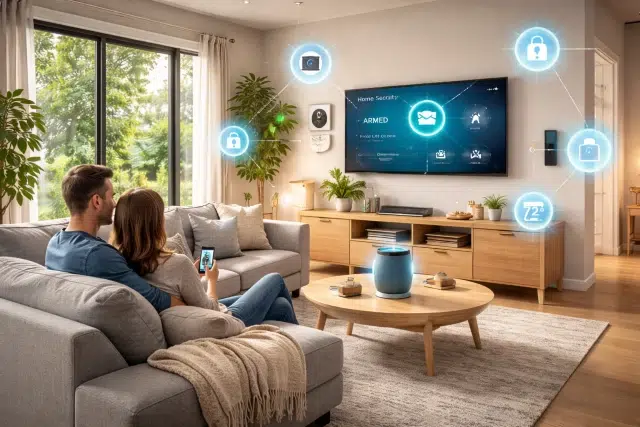
Creating environments that feel safe and welcoming is an important part of modern living spaces. Smart technology has changed the design of homes and facilities in ways that put comfort first. Many people think of technology as cold or clinical, yet it can actually help people feel secure while still enjoying warmth and charm in their surroundings. This article explores how smart environments can support safety without making a space feel like a hospital room or a laboratory.
Blending Technology With Human Needs
Safety technology has come a long way. Instead of forcing people to adapt to the machines, designers now focus on tools that adapt to people. Sensors and automation work in the background, detecting changes and responding without calling attention to themselves. The presence of technology is quiet, supportive, and almost invisible. When technology is unobtrusive, living spaces feel more like home and less like a facility.
Intuitive systems can track movement patterns and detect irregularities. This is especially valuable for people who may have memory challenges or mobility issues. Smart lighting can come on as someone enters a hallway. Temperature systems adjust to ensure comfort throughout the day. All of these features support well-being without making the room feel technical.
Safety Without Sterility
Clinical environments are often bright, sharp, and devoid of personal touches. Smart spaces take a different approach. Safety features are embedded within the design rather than sitting on top of it. For example, sensor panels can be hidden behind wall art or under furniture. Cameras can be small and discreet while still offering peace of mind for family members who can’t always be present.
The goal of a smart environment is to create a sense of freedom and comfort. People should feel secure without feeling watched or restricted. This balance comes from thoughtful placement and purposeful design. Technology supports life instead of defining it.
Key to this approach is personalization. Residents can choose settings for lighting, sound, and temperature that match their preferences. Voices and facial recognition features allow systems to respond to specific individuals. This personal touch transforms technology from an impersonal tool into a companion in daily life.
Supporting Memory Care With Smart Design
Memory care environments benefit significantly from smart design. Technology that detects unusual patterns can alert caregivers before a situation becomes risky. For people who sometimes forget where they’re going or which tasks they’re doing, smart systems create gentle guidance rather than strict control. In this setting, safety and dignity coexist.
At a residential memory care facility that emphasizes comfort and elegance, smart solutions promote independence. Staff can access alerts when needed while residents enjoy friendly spaces that feel familiar. This careful blend of care and autonomy supports quality of life.
Creating Community and Connection
Smart environments support connection as well as safety. Digital communication tools help residents stay in touch with family and friends. Virtual events and shared digital calendars encourage community engagement. These features remind people that technology can promote social life as well as physical security.
Spaces equipped with smart audio systems can offer gentle reminders about social activities without feeling intrusive. Real-time feedback about energy use or room availability can enhance shared spaces. These capabilities help people feel connected to each other and to the environment around them.
Design Principles That Promote Comfort
Several design principles guide the creation of smart spaces that feel safe without seeming clinical. First is simplicity. Systems should have a gentle learning curve and be easy to interact with. Complicated technology can create stress rather than reduce it. Second is aesthetic integration. Smart devices should complement the interior style. When technology blends with materials, colors, and textures, the room feels harmonious.
Third is respectful monitoring. Safety systems should operate with transparency and clear consent. People feel secure when they understand how systems work and why data is collected. This understanding encourages trust and reduces anxiety.
Finally, flexibility is vital. People change over time, and spaces must adapt accordingly. A living environment that supports growth and change feels more alive than one that’s fixed and rigid. Smart technology supports flexibility by adjusting to evolving needs.
Conclusion
Smart environments can offer safety without sacrificing warmth or personality. By placing human needs at the center of design, technology becomes a helper rather than a barrier. From subtle sensors to personalized lighting, these systems foster independence and confidence. When spaces feel secure and welcoming, people can focus on living rather than worrying about safety. Smart design that respects dignity and comfort will shape the next generation of living spaces for people of all ages and abilities.