Embarking on the journey of mental health recovery may seem overwhelming, yet embracing lifestyle changes can create a powerful impact on well-being and resilience. Adapting daily routines and making conscious choices in areas such as exercise, nutrition, and social engagement can greatly enhance recovery.
Residents seeking a supportive environment for these types of changes can also look to resources like denver rehab in Colorado, which provides an example of local support for mental health and recovery.
Proactively addressing lifestyle factors not only supports clinical treatment but also empowers individuals to take charge of their wellness journey. Simple shifts, whether through mindful eating or strengthening social networks, can lay the groundwork for sustainable mental and emotional health.
Many people discover that incremental changes yield significant benefits, leading to an improved quality of life and greater self-confidence over time.
Physical Activity
Incorporating a regular exercise routine is a time-tested method to lessen the effects of depression and anxiety. Individuals who participate in moderate physical activity, such as brisk walking or cycling, often report an improved mood and reduced stress.
According to a study highlighted in The Lancet Psychiatry, exercising for around 45 minutes three to five times a week can contribute to fewer days of poor mental health. The social aspects of group fitness or outdoor activities can further enhance these benefits, making physical activity a key pillar of mental health recovery.
Balanced Nutrition
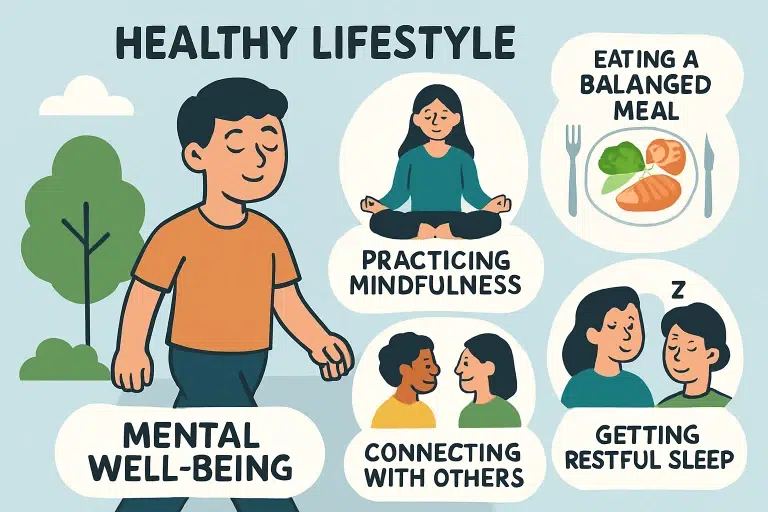
What you eat profoundly affects your emotional well-being. Diets that prioritize vegetables, fruits, whole grains, lean proteins, and healthy fats are associated with lower levels of depression and anxiety. Specific nutrients, such as omega-3 fatty acids found in fatty fish, help regulate mood and support brain health.
Moderating sugar, caffeine, and highly processed foods can also help maintain steady energy and emotional balance. Nutritional psychiatrists recommend mindful, balanced eating to help regulate not only physical but also mental wellness.
Quality Sleep
Sleep is essential for cognitive clarity, decision-making, and emotional regulation. Adults who consistently get between seven and nine hours of sleep are less likely to experience symptoms of depression. Sleep routines, including going to bed and waking up at the same time daily, are highly effective for improving sleep quality.
Eliminating screens before bedtime, maintaining a cool, dark sleeping space, and practicing calming activities such as reading or meditation are all recommended ways to encourage restorative sleep. Research suggests adequate rest is a powerful tool for both preventing and managing mood disorders.
Mindfulness Practices
Mindfulness is more than a fleeting trend; it is a proven method for managing stress and cultivating emotional awareness. Techniques such as meditation, deep-breathing exercises, and yoga provide tools to focus on the present moment, reduce racing thoughts, and build resilience when faced with everyday challenges.
Mindfulness can easily be incorporated into daily routines, whether through formal practice, mindful walking, or simply taking short breaks to observe one’s thoughts and surroundings.
Social Connections
Humans are inherently social, and maintaining positive connections with others is crucial for meaningful recovery. Isolation can worsen symptoms of depression and anxiety, while regular contact with supportive friends and family can bolster confidence and self-worth.
Community activities, peer support groups, and volunteering foster a sense of belonging and purpose. Even digital interactions, when mindful and intentional, can offer meaningful engagement for those with limited in-person social opportunities.
Avoiding Substance Use
Substances like alcohol, nicotine, and recreational drugs can negatively impact mental health and disrupt the healing process. Avoiding or reducing substance use supports lasting mental wellness and reduces the risk of relapse for those in recovery.
Studies indicate that avoiding tobacco, for instance, can lower the likelihood of future depression. Monitoring substance use and seeking help when needed are critical steps towards stable mental health.
Setting Realistic Goals
Establishing clear, attainable objectives enables individuals to reclaim a sense of control over their progress. Breaking down large ambitions into smaller, actionable steps can mitigate feelings of overwhelm and provide steady motivation.
Whether the goal is returning to work, developing a new hobby, or simply maintaining a basic self-care routine, celebrating each accomplishment builds momentum and reinforces the path to recovery.
Seeking Professional Help
Lifestyle changes are a vital complement to clinical care, not a substitute for it. Consulting a mental health professional can help individuals develop personalized strategies, manage setbacks, and access support tailored to specific concerns or diagnoses.
Therapists, counselors, and recovery programs all play unique roles in a comprehensive recovery plan. Always consider reaching out to a licensed professional when mental health symptoms become unmanageable or persist despite self-care efforts.
By focusing on positive lifestyle changes, individuals can lay a strong foundation for mental health recovery. Incremental progress, supported by compassionate guidance and community resources, leads to meaningful and enduring improvements in emotional well-being.