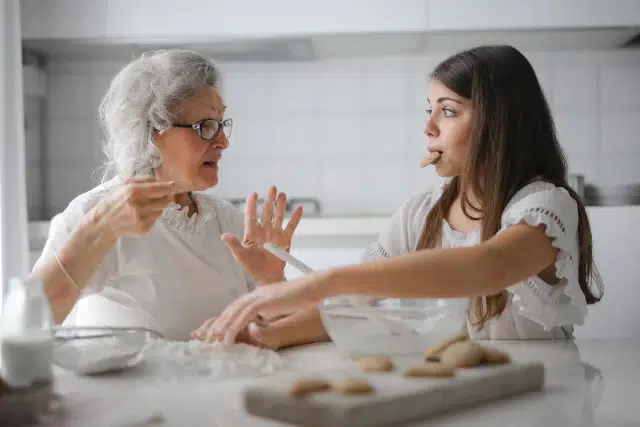
Health behaviors often move through generations in ways that feel ordinary rather than intentional. They settle into daily life through timing, repetition, and shared expectations. What people pay attention to, how they react to busy periods, and where they place value tend to show up in small decisions that repeat over time. Most of these decisions grow out of what feels workable within a shared environment.
Current discussions around health increasingly point toward context rather than control. Schedules are less predictable, roles within households change, and routines adjust to outside demands. Within this landscape, behaviors tend to follow what fits smoothly into daily life. Understanding how habits carry forward means looking closely at what becomes normal through repetition, convenience, and shared experience rather than instruction.
Daily Routines
The way a household moves through the start of the day often sets expectations without ever stating them. Some mornings run quietly and efficiently, others feel rushed, and some leave room for conversation or pause. Those patterns communicate what takes priority early on, whether that means preparing food, gathering belongings, or simply getting out the door on time. After some time, these repeated starts become familiar and shape how people approach the rest of the day.
In certain homes, mornings may also include supportive elements that exist alongside regular meals. Supplements can appear as part of this routine without being framed as essential or corrective. Products from companies such as USANA Health Sciences are sometimes incorporated in this way, positioned as an optional addition rather than a substitute for food. The influence comes less from the product itself and more from how it is presented. Seeing support tools treated as complementary rather than central helps reinforce balance within everyday routines.
Social Movement
Time spent together may involve errands, events, or informal outings that naturally include physical motion. Participation becomes the motivator rather than the structure. Movement happens because people are doing things together, not because it has been labeled or tracked.
This kind of activity shapes perception quietly. When movement fits into social time, it feels less like a separate task and more like part of normal life. Eventually, this framing influences how activity is viewed and repeated. The emphasis stays on participation and presence rather than performance, allowing habits to form without pressure or commentary.
Health Talk
The way health enters conversation tends to shape how it is understood. Comments made in passing about feeling worn down, needing rest, or choosing certain foods communicate priorities without explanation. Tone plays a significant role. Neutral or matter-of-fact language often leaves a stronger impression than firm opinions or directives.
Health conversations that surface naturally during shared moments allow awareness to develop without focus. Such exchanges do not need to carry conclusions or advice to influence perspective.
Food Patterns
Food choices within a household usually follow familiarity rather than intention. What gets purchased, prepared, and served reflects shared preferences built slowly through repetition. Ultimately, certain foods become standard simply because they are consistently present. Exposure shapes comfort, and comfort shapes choice.
Meals shared regularly reinforce these patterns. Without labeling foods as good or bad, households communicate expectations through availability and routine. The influence comes from consistency rather than instruction.
Sleep Flow
Sleep habits often align around collective timing. Evening routines tend to adjust based on shared responsibilities, noise levels, and household schedules. One person staying up late can affect others, just as early mornings can shift when nights wind down. Rest becomes a shared consideration rather than an individual decision.
Cues around sleep develop through repetition. Lighting changes, quieter activity, or certain nighttime habits signal transitions without discussion. As such, these signals shape expectations around rest. Sleep patterns settle into place through shared routine rather than formal planning, carrying forward as part of the household’s unspoken structure.
Mutual Coping
Responses to pressure tend to surface in real time, often without discussion. Someone withdraws into quiet. Someone else stays busy. Another person tries to keep things light. These reactions form a shared reference point for how difficulty gets handled. Over repeated situations, those responses start to feel familiar, even expected. People notice which behaviors settle tension and which ones create distance, learning through observation rather than advice.
Support within a shared space rarely looks dramatic. It might show up as patience during a tense moment or as space given without explanation. These patterns influence how stress is processed and expressed across time. Coping behaviors travel forward through familiarity, shaped by what feels acceptable or workable in moments of strain.
Life Shifts
Major changes often rearrange daily habits without announcing themselves as turning points. A new job, a move, or a schedule adjustment slowly reshapes how time gets used. Meals vary, rest patterns change, and priorities adjust to fit new demands. Such changes settle in quietly, becoming part of daily life rather than temporary responses.
Shared transitions influence everyone involved, even those not directly responsible for the change. Habits adapt to what the situation allows. Some routines fall away. Others take their place. What remains often reflects practicality rather than intention.
Care Roles
Caregiving introduces a different pace into daily life. Attention moves toward needs that cannot be postponed or ignored. Time gets redistributed, and patience becomes part of the routine. Health-related behaviors adjust around these realities, shaped by what feels manageable rather than ideal.
The presence of caregiving roles influences how people think about rest, food, and emotional availability. Observing care in action leaves an impression that does not rely on explanation. The way responsibilities are handled communicates values around attentiveness and prioritization. These impressions linger, shaping future behavior through memory and example rather than instruction.
Shared Goals
Goals held within a group tend to shape behavior differently than individual intentions. Even simple aims, such as maintaining a routine or showing up consistently, influence decision-making through shared awareness. Accountability develops through visibility rather than reminders. People notice effort because it happens in plain view.
Support tied to shared goals often appears quietly. Adjustments get made without discussion. Schedules bend slightly to accommodate others. After some time, consistency becomes part of the environment rather than a target to reach. This shared sense of responsibility reinforces habits without pressure, allowing behaviors to carry forward naturally.
Health behaviors pass between generations through everyday presence rather than instruction. Patterns form through shared time, repeated exposure, and subtle signals about what matters. Routines, conversations, and responses to change leave impressions that stay long after individual moments fade. The environments people share shape behavior through familiarity and repetition.