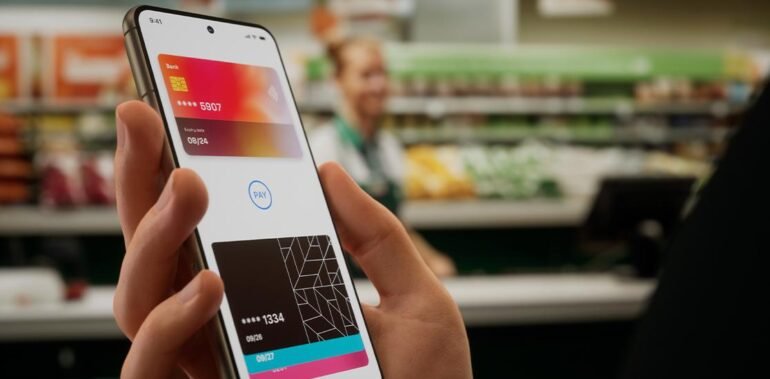
The way we manage money while travelling or shopping internationally has changed dramatically in recent years, and the rise of digital payments has played a major role in this shift. Today, travellers are no longer limited to carrying cash or relying solely on physical cards, because forex cards can now integrate seamlessly with mobile wallets and payment apps. This evolution has made the forex card online experience smoother, faster and far more secure, while also giving users greater control through a dedicated forex card app.
In this blog, we explore how forex cards work with mobile wallets and payment apps, the benefits of this integration, and what to keep in mind to make the most of it.
Understanding the digital evolution of forex cards
Traditionally, forex cards were physical prepaid cards that travellers carried to avoid high foreign exchange charges on debit and credit cards. While they were effective for in-store purchases and ATM withdrawals abroad, they offered limited digital functionality. Over time, as mobile banking and digital wallets gained popularity, forex card providers began enhancing their offerings to match modern payment habits.
Today, many forex cards come with a powerful forex card app that allows users to manage balances, monitor transactions and control settings in real time. When this app connects with mobile wallets and payment platforms, the card becomes more than just a travel tool, turning into a complete digital payment solution for international use.
What does mobile wallet integration actually mean?
Mobile wallet integration lets you link your forex card to digital wallets, depending on your card provider. Once added, the forex card can be used for contactless payments in stores, online payments on supported websites and even in-app purchases.
This means you can use your smartphone or smartwatch to pay abroad instead of carrying your card. For travellers who value convenience and security, this integration significantly enhances the forex card online payment experience, as transactions can be completed quickly without repeatedly exposing card details.
The role of a forex card app in everyday use
A dedicated forex card app acts as the control centre for your international spending. Through the app, users can check balances across currencies, load or reload funds, view transaction history and instantly enable or disable features such as international usage or online payments.
When integrated with mobile wallets, the app becomes even more important, as it allows you to track digital payments in real time. For example, if you make a contactless payment through your phone, the transaction is immediately reflected in the app, helping you stay aware of your spending and avoid exceeding your budget.
The forex card app also plays a crucial role in security, allowing you to freeze your card instantly if your phone is lost or you notice suspicious activity, providing peace of mind while travelling.
Benefits of integrating forex cards with payment apps
One of the biggest advantages of integrating forex cards with mobile wallets and payment apps is convenience. Payments become faster, especially in countries where contactless transactions are the norm, and you no longer need to worry about carrying multiple cards or large amounts of cash.
Another major benefit is enhanced security. Mobile wallets use advanced encryption and tokenisation, meaning your actual card number is never shared with merchants. This adds an extra layer of protection when making forex card online payments or in-store purchases abroad.
Integration also improves expense tracking, as all transactions are recorded digitally and can be reviewed in one place via the forex card app. This is particularly useful for frequent travellers, students studying abroad or professionals managing international expenses.
Limitations and challenges to be aware of
Despite the many advantages, there are a few limitations to keep in mind. Not all forex cards support integration with every mobile wallet, and availability may vary by country and card network. It is important to confirm compatibility before relying solely on digital payments.
Additionally, some smaller merchants or regions may not support mobile wallet payments, so it is advisable to carry a physical card as a backup. Internet connectivity can also affect app functionality, although most wallets allow offline contactless payments within certain limits.
Understanding these limitations helps ensure you are prepared to switch between digital and physical payments as needed.
Why zero forex markup matters in digital payments?
When using mobile wallets and payment apps abroad, the underlying forex card still determines how much you pay in foreign exchange fees. Cards that charge a forex markup can make digital payments more expensive, even if the payment method itself feels seamless.
This is why choosing a card with zero forex markup is crucial. It ensures that whether you pay through a physical card, a mobile wallet or an online checkout page, you are charged only the real exchange rate without hidden margins.
Niyo and the future of card integration
Niyo has emerged as one of the strongest solutions in this space by combining zero forex markup cards with a feature-rich digital ecosystem. Niyo’s zero forex markup cards are designed to work smoothly for both physical and forex card online payments, while the Niyo app offers comprehensive control over international spending.
Through the Niyo app, users can manage their cards entirely from their smartphones, track expenses in real time and enable international and online transactions with ease. The absence of forex markup ensures that payments made via mobile wallets or payment apps remain cost-effective, making Niyo a practical choice for travellers and global spenders.
With wide international acceptance and a strong focus on digital usability, Niyo demonstrates how international cards can integrate seamlessly into modern payment habits without compromising on savings or security.
Making the most of your forex card with mobile wallets
To fully benefit from this integration, it is important to set up your forex card properly before travelling. Ensure that international and online transactions are enabled in the forex card app, add the card to your preferred mobile wallet and familiarise yourself with app features such as spending alerts and card controls.
It is also wise to keep notifications turned on, as real-time alerts help you monitor every transaction and quickly identify any unusual activity. Carrying the physical card as a backup ensures uninterrupted payments even if digital options are temporarily unavailable.
Wrapping up
The integration of forex cards with mobile wallets and payment apps represents a major step forward in international payments. By combining the cost benefits of forex cards with the convenience of digital wallets, travellers can enjoy faster, safer and more transparent transactions abroad. A robust app further enhances this experience by offering complete control and visibility over spending.
Choosing the right card, particularly one with zero forex markup like Niyo, ensures that this integration delivers both convenience and real savings, making international payments simpler than ever before.
Upgrade your global payments today with a Niyo Zero Forex Markup Card and experience seamless digital spending abroad.