
Generator costs do not begin and end with the purchase price. The way a homeowner maintains, operates, and tests their backup system determines how much they spend year after year. Some households see their generator ownership stay predictable and affordable, while others face rising repair fees, shorter lifespans, and emergency expenses triggered by poor maintenance habits. These differences explain why home generator prices are only the starting point of the financial picture. Solar-based solutions such as the Anker SOLIX C2000 Gen 2 with a 400W solar panel shift many maintenance-related costs by eliminating fuel systems, oil changes, and engine wear, giving homeowners a backup source that remains stable regardless of how often outages occur.
Why Routine System Checks Affect Long-Term Spending?
Regular Testing Prevents Expensive Emergency Repairs
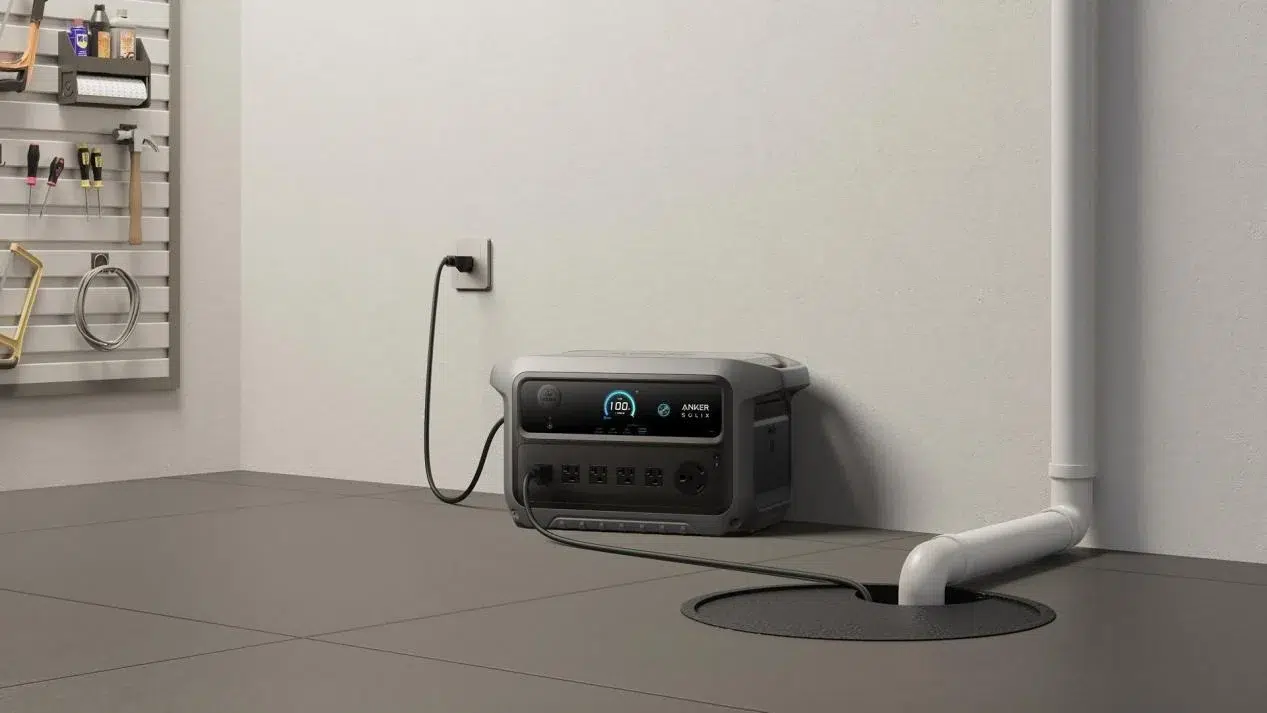
Homeowners who test their generator consistently avoid many surprise failures that lead to high repair bills. A brief monthly run cycle identifies issues early, such as weak batteries, clogged carburetors, faulty sensors, or load-handling problems. When these failures go unnoticed, the generator tends to break down during an outage—exactly when demand is highest—and the repair becomes urgent and costly. A solar generator changes this dynamic because it stores energy without requiring engine cycling, removing the need for combustion-related startup checks. The C2000 Gen 2 holds power efficiently with only 9W of idle consumption, keeping the system ready without routine warm-ups or risk of engine degradation.
Fuel System Upkeep Influences Annual Costs
Fuel-powered generators demand continuous attention to fuel quality, storage, and delivery components. Old gasoline becomes unstable, carburetors clog, and fuel lines degrade. These issues require cleaning, replacement, or full servicing. Homeowners who skip annual maintenance often face higher long-term spending, as stale fuel can damage internal components. Solar generators bypass these risks entirely. The PS400 solar panel recharges the C2000 Gen 2 without involving fuel stabilizers, tank cleaning, or seasonal fuel rotation, which helps reduce both yearly expenses and time commitments while maintaining dependable functionality.
Battery Health Determines Readiness and Replacement Frequency
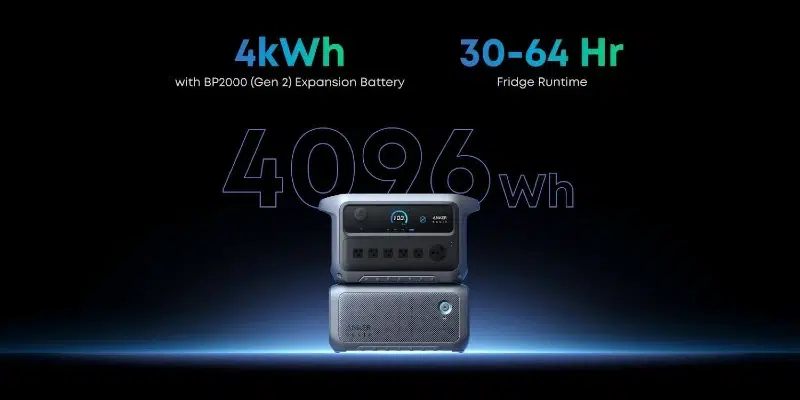
Backup systems rely heavily on healthy batteries, whether they support electric starters in gas generators or serve as the primary energy storage in solar systems. Poor battery maintenance shortens lifespan and increases replacement costs. Gas generators suffer more because batteries endure vibration, heat, and engine-related stress. A solar generator simplifies this requirement. The C2000 Gen 2’s battery management system optimizes charging cycles automatically, and the optional BP2000 expansion provides longer runtimes without creating additional maintenance tasks. Properly maintained lithium batteries last longer and deliver more reliable performance than traditional starter batteries.
How Usage Habits Shape Generator Operating Costs?
Extended Run Cycles Accelerate Wear
Generators that run for long, continuous outages face elevated maintenance needs. Engine oil breaks down faster, filters clog sooner, and internal components wear under sustained load. Homes in regions with frequent blackouts must budget for more oil changes, spark plugs, and periodic overhauls, which is one reason home generator prices can rise dramatically over time beyond the initial purchase. A solar generator reduces these cumulative expenses because its power delivery does not rely on mechanical operation. The C2000 Gen 2 runs appliances silently from stored and solar-generated energy, meaning that even during repeated outages, no additional mechanical wear occurs. This distinction drastically alters total ownership cost for high-use households.
Load Mismanagement Raises Operating Expenses
Generators run most efficiently when the electrical load is balanced. Overloading causes shutdowns or component damage, while underloading fuels inefficient operation, carbon buildup, and accelerated deterioration. Many homeowners unknowingly misuse their generator by running it at extreme ends of its capability. Solar systems avoid these pitfalls because they deliver consistent electrical output without performance penalties linked to load fluctuations. With 2,400W rated power and 4,000W peak, the C2000 Gen 2 handles typical home essentials predictably, reducing the risk of costly misuse-related repairs.
Seasonal Habits Change Maintenance Requirements
Winterizing, cleaning air intakes, checking vents, and protecting equipment from heat or freezing conditions significantly influence lifespan. Homeowners who neglect seasonal tasks often face rust, degraded wiring, hardened seals, and moisture damage. Solar generators streamline seasonal upkeep since they have no exhaust systems, no oil reservoirs, and far fewer temperature-sensitive materials. The PS400 panel’s IP67 waterproof design withstands rain and snow, while angle adjustments help optimize solar absorption across different seasons, extending functional efficiency without creating additional maintenance responsibilities.
Conclusion
Maintenance habits directly shape generator cost, affecting everything from repair frequency to system lifespan. Consistent testing catches problems early. Proper fuel handling prevents damage. Battery care ensures reliability. Load management protects internal components. Seasonal upkeep reduces environmental wear. Each habit either increases or reduces the financial burden of owning a generator. Solar generators simplify this equation by eliminating engine maintenance, reducing part replacements, and offering predictable runtimes powered by sunlight. The Anker SOLIX C2000 Gen 2 with its 400W solar panel minimizes maintenance-driven expenses while delivering strong output, fast recharging, and long appliance support. Understanding how upkeep influences total cost helps homeowners choose a backup system that is both reliable and financially sustainable over many years.