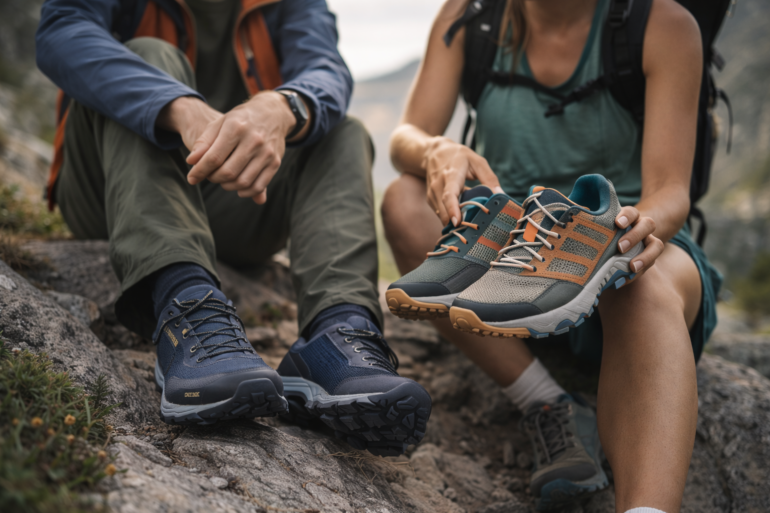
Choosing the right trail running shoes can make the difference between an enjoyable outdoor adventure and a frustrating experience on the trail. One of the most common questions among hikers and runners today is Gore-Tex vs Breathable Mesh Trail Runners, and which option actually performs better in real outdoor conditions.
Trail shoes are designed to handle rough terrain, unpredictable weather, and long distances. But not all trail runners are built the same. Some prioritize waterproof protection with Gore-Tex membranes, while others focus on airflow and lightweight comfort using breathable mesh.
Understanding Gore-Tex vs Breathable Mesh Trail Runners helps outdoor enthusiasts pick footwear that matches their environment, running style, and climate conditions. Whether you are tackling muddy forest trails, rocky mountain routes, or dry desert paths, the choice between these two technologies can significantly impact comfort, performance, and durability.
In this guide, we will explore the real differences between Gore-Tex and breathable mesh trail shoes, their advantages and limitations, and which option may work best for your next hiking or trail running adventure.
Understanding Trail Running Shoes
Trail running shoes are designed specifically for off-road environments. Unlike road running shoes, they include rugged outsoles, reinforced toe protection, and improved grip for uneven terrain.
Key features of trail running shoes typically include:
• Aggressive tread patterns for traction
• Durable materials to resist rocks and debris
• Protective toe caps
• Stable midsoles for uneven ground
• Weather resistance or breathable design
Within this category, the biggest difference often comes down to the upper material. This is where the debate around Gore-Tex vs Breathable Mesh Trail Runners becomes important.
The upper determines how the shoe handles moisture, ventilation, and weather exposure.
What Are Gore-Tex Trail Running Shoes?
Gore-Tex trail running shoes are built with a waterproof membrane designed to keep water out while still allowing some moisture vapor to escape.
Gore-Tex is a specialized fabric technology used in outdoor clothing and footwear. It contains microscopic pores that block liquid water while allowing sweat vapor to pass through.
This technology makes Gore-Tex trail runners especially popular among hikers and runners who face wet environments.
Key Benefits of Gore-Tex Trail Shoes
Waterproof protection is the most obvious advantage. Gore-Tex shoes keep your feet dry when running through puddles, mud, or light rain.
Other benefits include:
• Protection from snow and cold moisture
• Wind resistance in harsh weather
• Better insulation during colder conditions
• Durability in wet terrain
For runners who frequently encounter rain, snow, or muddy trails, Gore-Tex shoes can provide significant comfort.
Limitations of Gore-Tex Shoes
While waterproof protection is useful, Gore-Tex footwear also has some drawbacks.
These include:
• Reduced breathability compared to mesh
• Slightly heavier weight
• Slower drying if water enters the shoe
• Potential overheating in warm climates
For runners in hot or dry environments, these limitations become more noticeable.
What Are Breathable Mesh Trail Running Shoes?
Breathable mesh trail runners focus on airflow and lightweight performance rather than waterproof protection.
The mesh material allows air to circulate around the foot, helping sweat evaporate and keeping feet cool during intense activity.
Many modern trail running shoes use engineered mesh fabrics that balance durability with ventilation.
Advantages of Breathable Mesh Shoes
Mesh trail runners are extremely popular for several reasons.
They offer:
• Superior ventilation and airflow
• Lightweight construction
• Faster drying when wet
• Increased comfort in warm weather
For runners who spend long hours on dry trails or in warm climates, breathable mesh shoes often feel more comfortable.
Drawbacks of Mesh Trail Runners
Despite their comfort, mesh shoes are not perfect.
Some limitations include:
• No waterproof protection
• Mud and water can easily enter the shoe
• Less insulation in cold weather
• Wet feet in rainy conditions
Because of this, choosing between Gore-Tex vs Breathable Mesh Trail Runners often depends on climate and terrain.
Gore-Tex vs Breathable Mesh Trail Runners: Key Differences
Understanding the core differences helps clarify which shoe type suits your needs.
| Feature | Gore-Tex Trail Runners | Breathable Mesh Trail Runners |
|---|---|---|
| Water Resistance | Waterproof | Not waterproof |
| Breathability | Moderate | Excellent |
| Weight | Slightly heavier | Lightweight |
| Best Climate | Wet or cold | Dry or warm |
| Drying Speed | Slower | Faster |
| Comfort in Heat | Can feel warm | Very comfortable |
This comparison shows that neither option is universally better. Instead, the right choice depends on environmental conditions and personal preferences.
Climate Considerations for Trail Running Shoes
Weather conditions play a major role in deciding between Gore-Tex vs Breathable Mesh Trail Runners.
Wet and Rainy Climates
In areas where rain is common, Gore-Tex shoes help prevent water from soaking your socks and causing blisters.
Trail runners in coastal regions or rainy forests often prefer waterproof footwear.
Cold Weather Conditions
Gore-Tex also helps keep feet warmer by blocking wind and moisture.
This makes it useful for winter trail running or cold mountain hikes.
Hot and Dry Environments
In desert or summer conditions, breathable mesh shoes are usually more comfortable.
The airflow prevents overheating and allows sweat to evaporate.
Mixed Terrain Conditions
Some runners keep both types of shoes depending on the season or route.
Performance During Hiking vs Trail Running
The activity you plan to do also affects the decision.
Hiking Performance
Hikers often move at slower speeds and spend longer hours outdoors. Waterproof protection can be valuable in muddy or wet terrain.
For backpacking trips or rainy hikes, Gore-Tex shoes provide reliable protection.
Trail Running Performance
Trail runners prioritize lightweight shoes and breathability.
Because running generates heat and sweat, mesh trail runners often feel more comfortable during high intensity movement.
However, runners tackling wet mountain trails may still prefer waterproof options.
How Moisture Affects Foot Health
Foot health is a major factor when comparing Gore-Tex vs Breathable Mesh Trail Runners.
Moisture buildup can lead to several problems.
Common issues include:
• Blisters from friction
• Fungal infections
• Skin irritation
• Odor development
Proper ventilation or waterproof protection can help prevent these issues depending on the environment.
For example, runners in wet forests benefit from waterproof shoes, while runners in dry heat benefit from breathable ventilation.
Real World Trail Scenario Comparison
Imagine two runners exploring different trails.
The first runner is in the Pacific Northwest where rain is common and trails are muddy. Waterproof Gore-Tex shoes help keep feet dry throughout the run.
The second runner is in Arizona where temperatures can exceed 30°C. Breathable mesh shoes provide ventilation and prevent overheating.
Both runners choose different footwear because the environment demands different features.
This real world comparison shows why Gore-Tex vs Breathable Mesh Trail Runners is not a simple winner vs loser debate.
Durability and Longevity
Durability matters for anyone investing in quality trail running shoes.
Gore-Tex shoes often include stronger upper materials and protective layers, making them more resistant to wet terrain damage.
However, breathable mesh shoes may last longer in dry environments because the material experiences less moisture stress.
The lifespan of trail shoes also depends on running frequency, terrain type, and maintenance.
Most trail runners replace shoes after 500 to 800 kilometers of use.
Weight and Speed Considerations
Weight is especially important for competitive trail runners.
Mesh shoes usually weigh less than Gore-Tex models. Even small differences in shoe weight can affect energy efficiency during long runs.
For speed focused trail runners, lightweight mesh shoes often feel faster and more responsive.
Hikers, on the other hand, may prioritize protection and durability over minimal weight.
Comfort and Fit Factors
Comfort plays a major role in choosing trail running shoes.
When comparing Gore-Tex vs Breathable Mesh Trail Runners, consider these comfort factors:
• Temperature regulation
• Cushioning and midsole support
• Flexibility during movement
• Toe box space for swelling during long runs
Trying shoes on and testing them during short runs can help determine the best fit.
Environmental Impact and Sustainability
Some modern footwear brands are also focusing on sustainability.
Many companies now produce eco friendly trail runners using recycled materials and low impact manufacturing processes.
Breathable mesh shoes sometimes incorporate recycled fabrics, while waterproof technologies are also evolving to reduce environmental impact.
Sustainability is becoming an important factor for outdoor gear buyers.
Future Innovations in Trail Running Footwear
Outdoor gear manufacturers continue to innovate in trail running technology.
Future developments may include:
• Hybrid waterproof breathable fabrics
• Improved lightweight membranes
• Better moisture management systems
• Enhanced durability for rugged terrain
These innovations may eventually reduce the gap between waterproof and breathable footwear technologies.
Conclusion
The debate around Gore-Tex vs Breathable Mesh Trail Runners ultimately comes down to environment, weather, and personal running style. Both options offer valuable benefits depending on where and how you run.
Gore-Tex trail runners excel in wet, muddy, or cold conditions where waterproof protection keeps feet dry and comfortable. Breathable mesh trail runners perform best in warm climates where ventilation and lightweight construction improve comfort during long runs.
Outdoor enthusiasts often choose their footwear based on the specific terrain and weather they expect to encounter. Understanding the strengths and limitations of each design helps hikers and runners make better decisions for their adventures.
If you want to explore more about the outdoor activity itself, the concept of trail running provides additional insight into the sport and its growing popularity worldwide.
Choosing the right trail shoes ensures better comfort, improved performance, and a safer experience on every trail you explore.