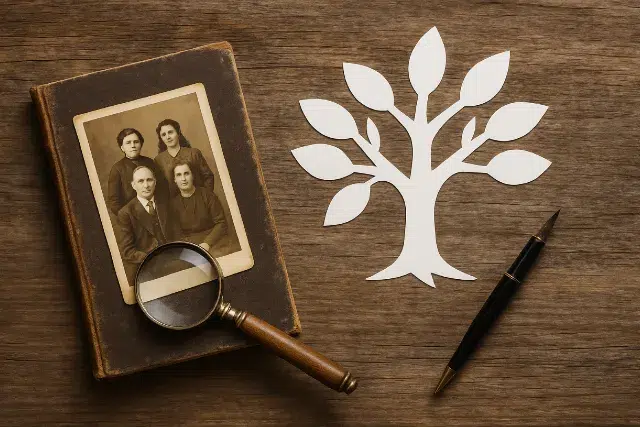
In an age where life moves quickly and cultures often blend together, many people feel increasingly disconnected from their origins. Understanding your forebears — the generations whose lives, struggles, achievements, and stories led to yours — offers more than sentimental value. It provides the grounding many people crave in a world that encourages constant reinvention. When you explore who came before you, you gain clarity about who you are, why you think the way you do, and how your family’s past continues to influence your present identity.
This connection to ancestry is not simply historical curiosity. Research shows that individuals who know their family history tend to be more resilient and emotionally grounded. They also show stronger self-awareness, higher confidence, and a deeper sense of belonging. Children who understand their family background, including difficult pasts, develop a more flexible and confident identity that carries into adulthood. This article explores why knowledge of your forebears is so impactful, how you can begin your journey into your ancestral past, and the cultural, emotional, and practical benefits that accompany a deep understanding of your lineage.
What We Mean When We Talk About Forebears
The word forebears refers to the ancestors from whom you descend. This includes recent generations such as grandparents and great-grandparents, but it also stretches into distant lineage, cultural predecessors, tribal ancestors, and communities that shaped your family’s identity long before modern records were kept.
Unlike the word “ancestors,” which often feels historical or biological, “forebears” carries a more personal and human tone. It acknowledges the lived experiences — struggles, migrations, values, triumphs — that eventually contributed to your existence. Understanding forebears is thus not only about tracing names on a family tree. It is about uncovering the stories, migrations, traditions, and emotional legacies that contribute to your sense of self.
Why Knowing Your Roots Matters More Than Ever
Modern society encourages mobility and independence, but in doing so, many people grow up disconnected from the stories that shaped their family. Yet humans naturally seek belonging and continuity. Learning about your forebears satisfies that instinct by reinforcing emotional, cultural, and psychological stability.
Identity Formation Through Ancestral Knowledge
Identity does not form in isolation. It is shaped through stories, values, behaviors, and traditions inherited over generations. Understanding your lineage helps you recognize patterns in your own personality or life choices. You may discover that your confidence, artistic ability, resilience, or worldview echoes traits seen in your great-grandparents or other forebears.
This awareness anchors you. It gives you a sense of continuity that supports a stable personal identity even when life circumstances change.
Emotional Resilience Through Family Narratives
Studies from Emory University demonstrate that people who know the “oscillating narrative” of their family — the difficult moments and successes — tend to be more emotionally resilient. When you learn what your forebears endured — wars, poverty, displacement, illness, migration, or personal hardship — you begin to see your own challenges in a broader context. Their survival becomes a source of strength, proving that resilience runs in your lineage.
This intergenerational empowerment is one of the most transformative effects of exploring your roots.
Cultural Continuity and Preservation
Culture is easily lost when traditions fade with each generation. Understanding your forebears allows you to reclaim practices that might be disappearing, such as storytelling, music, recipes, religious customs, rituals, languages, herbal knowledge, and crafts. These traditions give texture to your identity. They help you maintain ties to your heritage even if you live far from your ancestral homeland.
Strengthening Family Connections
Families that discuss their history tend to develop deeper bonds. Conversations about forebears often spark storytelling, laughter, shared memories, and new connections among relatives. Knowing your family history improves empathy within the family structure because it reveals shared experiences and long-standing generational patterns. For many people, exploring their roots is the bridge to reconnecting with relatives or healing strained relationships.
Medical, Genetic, and Health Insights
Ancestral knowledge plays an important role in modern healthcare. Many genetic predispositions — heart disease, autoimmune disorders, cancers, and metabolic conditions — can be better understood when you know your family’s medical history. Although DNA testing provides deeper insights today, traditional genealogical knowledge often uncovers health patterns that standard medical questionnaires may miss.
How to Begin Exploring Your Forebears
Tracing your forebears can feel overwhelming at first, especially if documents are missing or fragmented. However, most people discover that the process becomes deeply rewarding. The journey often starts with curiosity and evolves into a life-changing exploration of identity.
Beginning With Family Conversations
The most powerful and often most accurate source of ancestral knowledge is oral history. Speaking with older relatives — parents, grandparents, uncles, aunts, family elders — can uncover stories that never made it into written records. Ask about family origins, migrations, traditional practices, old photographs, personal memories, and life experiences. These conversations can reveal forgotten connections and missing pieces of your family narrative.
Collecting Historical Documents
After gathering oral history, the next step is documenting evidence of your lineage. Birth certificates, marriage licenses, baptism records, property deeds, handwritten letters, military records, travel documents, and old diaries often contain rich details. Even small notes in the margins of a journal or an old photograph can lead you to new discoveries.
Using Archives and Online Genealogy Databases
Modern genealogy tools have made ancestral research more accessible than ever. Public archives, libraries, and online genealogy platforms hold millions of historical records. Census documents, immigration logs, military records, land registries, and global archives help trace forebears across continents. Platforms like FamilySearch, Ancestry, and MyHeritage provide digital access to these records and allow you to build a family tree with global reach.
Exploring DNA Testing
DNA analysis offers insights beyond what written records can reveal. It connects you with distant relatives, identifies ethnic regions, reveals migration patterns, and uncovers previously unknown branches of your family tree. While DNA findings should be interpreted thoughtfully, they can open doors to deeper ancestral exploration and sometimes correct long-held family assumptions.
Organizing and Preserving Your Findings
As you gather information, it becomes essential to organize your research systematically. Digital tools, genealogy apps, and cloud storage help preserve documents, audio recordings, photos, and interview notes. Many people create digital family trees, heritage books, or documentary-style videos to preserve this knowledge for future generations.
Identity, Culture, and Forebears: A Global View
Understanding your roots is a universal human experience, though the way it is expressed varies across cultures. In many parts of Africa, oral storytelling remains one of the most respected ways of preserving ancestry. These stories connect individuals to their clan, tribe, or community lineage and often include tales of bravery, migration, and survival.
In Indigenous communities, ancestors are seen not only as family but as spiritual guides whose wisdom informs present-day decisions. These cultures keep detailed traditions through ceremonial practices, dances, symbols, and ritual artifacts. Ancestry is viewed as a living continuum, not a historical event.
In several Asian countries, family lineage is preserved through written genealogies that can span centuries. These documents serve not only as historical records but also as cultural touchstones that guide values, morality, and family responsibilities.
European families often preserve ancestral identity through coats of arms, regional traditions, migration records, or clan histories. Meanwhile, Latin American families maintain strong intergenerational bonds through festivals, family gatherings, and religious celebrations that honor forebears.
These cultural variations demonstrate that while each society preserves ancestry differently, the quest to understand one’s roots is deeply human and universally meaningful.
A Real Story: How Ancestral Discovery Changes Lives
Consider the experience of a woman named Maria. She grew up knowing very little about her heritage because her family had moved frequently and lost many records. In her early thirties, she decided to explore her ancestry using a combination of DNA testing, family interviews, and online archival searches.
Her journey revealed that her great-grandmother was a respected healer in her village. Maria also discovered that part of her family had participated in a migration movement several decades earlier, searching for economic opportunity during a period of hardship. In old photographs, she noticed traditional crafts her ancestors created by hand — art she never realized had existed in her lineage.
This knowledge transformed Maria’s understanding of herself. She began learning traditional crafts, teaching her children about their heritage, and reconnecting with relatives she never knew existed. The discovery gave her a profound sense of belonging she had lacked for years. Her experience reflects the emotional power that emerges when people discover their forebears and reclaim their ancestral identity.
A Detailed Comparison of Ancestral Benefits
| Topic | Value of Ancestral Knowledge | Example |
|---|---|---|
| Identity | Provides personal grounding and self-awareness | Understanding inherited traits and values |
| Culture | Preserves and revives traditions | Restoring recipes, music, or language |
| Emotional Health | Builds resilience and confidence | Learning about ancestors’ survival stories |
| Family Relationships | Deepens connection and empathy | Sharing stories across generations |
| Health Awareness | Identifies medical patterns | Understanding genetic predispositions |
| Historical Context | Clarifies migration and heritage | Using immigration records or census data |
Ancestry in the Digital Age
Technology has transformed the study of forebears. Digital archives make historical records accessible within seconds. Social media groups help people find distant relatives who share the same surname or heritage. Online communities support genealogists of every skill level, sharing research tips, document translations, and cultural insights.
Virtual family reunions are now common, connecting relatives across continents. Archives have digitized millions of documents that were once difficult to access. Artificial intelligence tools can restore old photographs, translate historical documents, and recognize handwriting in centuries-old manuscripts. The digital age has resolved many of the barriers that once prevented people from accessing their heritage.
Frequently Asked Questions About Forebears
What exactly does “forebears” mean?
Forebears refers to your ancestors — any individuals from whom you descend, whether through bloodline or cultural lineage.
Why is it important to know your forebears?
Knowing your forebears strengthens your identity, emotional resilience, cultural awareness, and understanding of family health history.
How do I begin researching my ancestry?
Start by speaking with older family members, gathering documents, exploring public archives, and using online genealogy tools or DNA testing services.
Are there scientific benefits to knowing your ancestry?
Yes. Ancestry helps identify genetic patterns, health risks, and inherited traits that may inform medical care and lifestyle choices.
Can I explore my roots if I have little information?
Absolutely. Many people begin with limited knowledge and uncover rich information through online records, DNA testing, and distant relatives.
Conclusion: The Lasting Power of Knowing Your Forebears
Your forebears are more than distant historical figures. They are the architects of your identity — the people whose courage, choices, talents, and struggles shaped the life you live today. When you explore your ancestry, you gain a clearer understanding of yourself and your place in the world. You connect with cultural traditions that might otherwise be lost, strengthen family bonds, and develop a sense of belonging that anchors you amid the changes of modern life.
Understanding your roots is not simply an exercise in genealogy. It is a journey of self-discovery, healing, and empowerment. By honoring your forebears, you honor the story of humanity itself — and ensure that future generations inherit a rich and meaningful legacy.