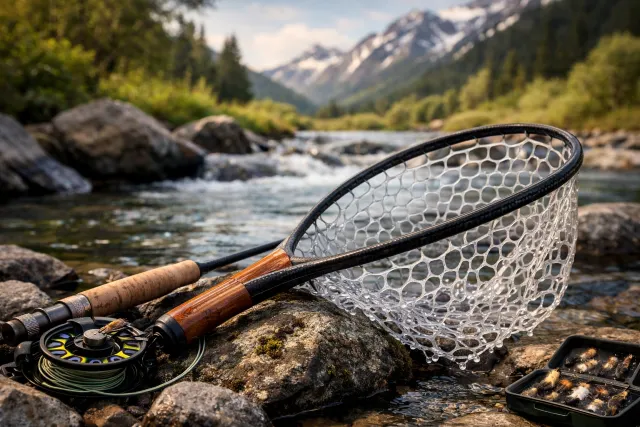
Fly Fishing Net selection is one of those decisions anglers often overlook until they lose a trophy trout at the edge of the water. In 2026, gear technology has evolved, fish handling standards are stricter, and anglers are more conservation-minded than ever. Choosing the right Fly Fishing Net is no longer just about scooping fish. It is about protecting the catch, improving landing success, and making your time on the water smoother.
Whether you fish mountain streams, drift rivers, or wade quiet lakes, the right landing net can quietly become one of the most important tools in your setup.
Let’s break down what actually matters this year, from materials and mesh types to handle design and smart buying decisions.
Why Your Fly Fishing Net Matters More Than You Think
A landing net does more than help you secure a fish. It reduces stress on the fish during catch and release, prevents line tangles, and protects delicate fins and slime coating.
According to fisheries research highlighted by Trout Unlimited and supported by studies referenced in NOAA Fisheries, rubber-coated nets significantly reduce injury rates in trout compared to traditional nylon mesh. Less damage means higher survival rates after release.
If you practice catch and release, your net choice directly affects fish health. And if you are targeting larger species, a poorly sized net can cost you your best catch of the season.
In short, the right net improves:
• Landing efficiency
• Fish safety
• Hook removal ease
• Overall fishing experience
That is why anglers in 2026 are paying closer attention to materials and design.
Top Features to Look for in the Best Fly Fishing Net in 2026
1. Rubber or Silicone Mesh
Modern Fly Fishing Net designs almost always feature rubber or silicone mesh.
Why it matters:
• Prevents hooks from tangling
• Protects fish slime coating
• Reduces fin damage
• Easier to clean and odor-resistant
Traditional nylon nets are still available, but most experienced anglers now prefer rubber-coated options.
2. Lightweight Frame Construction
Today’s best models use:
• Carbon fiber
• Laminated hardwood
• Aircraft-grade aluminum
Carbon fiber nets are extremely light and strong, ideal for backcountry anglers. Hardwood nets offer classic aesthetics and durability. Aluminum is budget-friendly and practical.
Weight matters more than you think. If you hike miles into remote streams, every ounce adds up.
3. Fish-Friendly Basket Depth
Shallow baskets are ideal for small trout streams. Deeper nets are better for large brown trout or steelhead.
Look for:
• 8 to 12 inch basket depth for trout
• 12 to 18 inch depth for larger species
A deeper basket helps contain active fish and reduces escape risk.
4. Ergonomic Handle Design
Handle length depends on how you fish:
• Short handle for wading small streams
• Medium handle for general river fishing
• Long handle for boat or kayak anglers
Non-slip grips are essential. Wet hands and smooth wood can be a frustrating combination.
5. Magnetic Release Systems
In 2026, magnetic net releases are standard among serious anglers. They allow quick access and keep your hands free while casting.
Benefits include:
• Fast one-handed release
• Secure back attachment
• Reduced gear clutter
It is a small upgrade that makes a big difference on the water.
Materials Comparison Table
Here is a quick breakdown of common materials used in a Fly Fishing Net:
| Material | Pros | Cons | Best For |
|---|---|---|---|
| Hardwood | Durable, classic look, strong frame | Slightly heavier | Traditional anglers |
| Carbon Fiber | Ultra-light, extremely strong, modern design | Higher cost | Backcountry hikers |
| Aluminum | Affordable, durable, lightweight | Less aesthetic appeal | Beginners |
| Rubber Mesh | Fish-friendly, tangle-free, protects slime coat | Slightly heavier than nylon | Catch and release |
| Nylon Mesh | Lightweight, inexpensive | Tangles easily, less fish-safe | Budget use |
Best Fly Fishing Net Styles by Fishing Scenario
Small Mountain Streams
For tight brush and narrow water:
• Compact hoop size
• Short handle
• Lightweight frame
A small rubber mesh trout net works perfectly here.
Large Rivers
Bigger fish require:
• Wider hoop
• Deeper basket
• Medium handle
Look for reinforced frames to handle aggressive trout.
Kayak and Boat Fishing
You will need:
• Extended handle
• Deep basket
• Strong frame
Boat anglers often prefer aluminum or carbon fiber for strength and durability.
Buying Tips That Actually Save You Money
Many anglers overspend on gear they do not need. Here is how to buy smart.
Match Net Size to Target Species
If you primarily catch 12 to 16 inch trout, you do not need a steelhead net. Oversized nets are awkward and unnecessary.
Consider Long-Term Durability
Cheaper nets may save money upfront, but poor mesh quality can fray quickly. A mid-range net with quality rubber mesh often lasts several seasons.
Think About Portability
If you hike frequently, test the weight before buying. Even half a pound difference becomes noticeable after miles of walking.
Check Knotless Mesh
Knotless rubber mesh reduces scale loss and stress. Fish welfare matters more than ever, especially as regulations tighten.
According to the American Fisheries Society, minimizing handling time and using proper landing gear significantly increases post-release survival rates.
How Much Should You Spend in 2026?
Fly Fishing Net prices range from 25 dollars to 250 dollars.
Budget Range 25 to 60 dollars
• Aluminum frame
• Basic rubber mesh
Mid-Range 60 to 120 dollars
• Hardwood or reinforced aluminum
• Premium rubber basket
Premium 120 to 250 dollars
• Carbon fiber
• Handcrafted hardwood
• Advanced magnetic systems
If you fish regularly, the mid-range category usually provides the best balance of performance and value.
Common Mistakes to Avoid
Even experienced anglers make these mistakes:
• Choosing nylon mesh that tangles constantly
• Buying oversized nets for small trout
• Ignoring handle comfort
• Skipping a magnetic release system
• Prioritizing aesthetics over function
A net should make your life easier, not complicate your fishing routine.
Maintenance Tips to Extend Net Life
A high-quality Fly Fishing Net can last years with basic care.
After each trip:
• Rinse with fresh water
• Let it air dry completely
• Store in a ventilated area
Rubber mesh resists odor, but moisture can still damage wood frames over time.
Apply wood conditioner once or twice a season if you use a hardwood frame.
Frequently Asked Questions
What is the best mesh type for trout?
Rubber or silicone mesh is widely considered the best because it protects fish slime coating and reduces hook tangles.
Is a wooden net better than aluminum?
Wood offers classic durability and aesthetic appeal. Aluminum is lighter on your wallet and often slightly lighter in weight. It depends on preference and fishing style.
Do I really need a magnetic net release?
If you wade rivers regularly, yes. It improves efficiency and reduces fumbling when landing fish.
What size net is best for average trout?
A hoop size around 16 by 10 inches with an 8 to 12 inch basket depth works well for most trout fishing situations.
Trends Shaping Fly Fishing Net Design in 2026
The industry is seeing several interesting shifts.
First, sustainability is becoming a priority. Many manufacturers now source eco-certified hardwoods and recyclable materials.
Second, customization is rising. Anglers want engraved handles and personalized frames.
Third, fish welfare standards are driving innovation. Modern nets focus heavily on minimizing injury and stress.
As conservation awareness grows within the broader fly fishing community, ethical angling practices are influencing gear design in meaningful ways. This evolution aligns with principles found in catch and release practices documented under recreational fishing guidelines on Wikipedia.
Final Thoughts on Choosing the Right Fly Fishing Net
A Fly Fishing Net may seem like a simple accessory, but in reality it is a performance tool that directly affects landing success and fish safety. In 2026, anglers have more options than ever, from lightweight carbon fiber frames to advanced rubber mesh designs built specifically for catch and release.
Focus on mesh quality, appropriate size, handle comfort, and durability. Avoid overspending on features you do not need, but do not compromise on fish-friendly materials.
The right net quietly improves every trip. You land fish more smoothly. You protect the resource. And you fish with confidence knowing your gear supports both performance and conservation.
Choose wisely, and your next big trout will not slip away at the water’s edge.