

Introduction: Why First Aid PH is Crucial for Every Filipino
Accidents and health emergencies can strike at any time, making first aid knowledge a vital skill for every Filipino. First Aid PH focuses on teaching crucial emergency procedures that can save lives. Whether you’re at home, at work, or out in public, knowing the basics of first aid can help you respond effectively in a crisis.
In this guide, we’ll explore the top emergency procedures that every Filipino should know. These life-saving techniques are easy to learn and can make a significant difference in critical situations.
Why First Aid Matters: The Importance of Knowing Basic Procedures
Understanding first aid is essential in any community. It empowers individuals to assist others during medical emergencies while waiting for professional help. In the Philippines, where remote areas can be far from medical facilities, knowing First Aid PH skills can bridge the gap and provide immediate care.
Statistics show that effective first aid can reduce the severity of injuries and even save lives. According to the Philippine Red Cross, timely intervention during accidents can increase the chances of survival by up to 60%.
Basic First Aid Skills Every Filipino Should Master
Whether at home, in the workplace, or during leisure activities, being prepared for emergencies can prevent complications. The following procedures should be part of every Filipino’s first aid knowledge.
1. CPR (Cardiopulmonary Resuscitation)
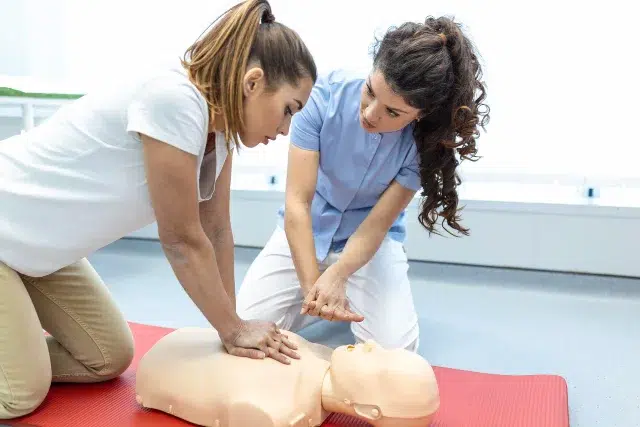
CPR is one of the most essential skills in any emergency. It’s used when someone has stopped breathing or their heart has stopped beating. Knowing how to perform CPR can make a life-saving difference in the crucial minutes before professional help arrives.
Steps for CPR:
- Check for breathing: Ensure the person isn’t breathing.
- Start chest compressions: Push hard and fast on the center of the chest, at least 2 inches deep, about 100-120 compressions per minute.
- Rescue Breathing: If trained, provide two rescue breaths after every 30 chest compressions.
2. Handling Cuts and Bleeding
Cuts and injuries that cause bleeding require immediate attention. Here’s how to manage a bleeding wound:
- Apply pressure: Use a clean cloth or bandage to apply pressure to the wound.
- Elevate the injury: If possible, elevate the injured area to reduce blood flow.
- Clean and dress the wound: Once the bleeding is controlled, clean the wound with clean water and apply an antiseptic.
3. Choking Management
Choking can occur at any moment, especially with children. Knowing the Heimlich maneuver can help clear an airway and save someone from suffocation.
For adults and children over 1 year old:
- Perform abdominal thrusts: Stand behind the person, place your arms around their waist, and give quick thrusts above the navel to expel the object.
4. Treatment for Burns
Burns are common in households, especially with hot surfaces, fire, or boiling liquids. First aid treatment for burns involves:
- Cool the burn: Hold the affected area under cool (not cold) running water for at least 10 minutes.
- Cover the burn: Apply a sterile bandage or cloth to protect the area from infection.
- Avoid popping blisters: If blisters form, don’t break them as it increases the risk of infection.
5. Fractures and Sprains
A fracture (broken bone) or sprain can be caused by falls or accidents. Immediate first aid for fractures includes:
- Stabilize the limb: Use a splint or any sturdy object to immobilize the injured limb.
- Control swelling: Apply ice wrapped in a cloth to reduce swelling and pain.
First Aid Kits: The Essential Tools for Emergency Situations
Having a first aid kit readily available is a must in every Filipino home and workplace. A well-stocked first aid kit should include the following items:
- Adhesive bandages (different sizes)
- Sterile gauze pads and bandages
- Antiseptic wipes
- Scissors and tweezers
- Elastic bandage (for sprains)
- Thermometer
- Pain relief medications (e.g., paracetamol)
- CPR face shield
Ensure that your first aid kit is easily accessible, organized, and regularly checked for expired items.
Common First Aid Mistakes and How to Avoid Them
Even well-intentioned attempts at first aid can sometimes cause harm. Here are some common mistakes to avoid:
- Using alcohol on wounds: It can delay the healing process. Instead, use antiseptic solutions.
- Ignoring the need for professional help: In cases of serious injury, always seek immediate medical attention, even after performing first aid.
Frequently Asked Questions About First Aid in the Philippines
Q1: Where can I learn first aid in the Philippines?
A1: The Philippine Red Cross offers first aid training courses across the country. You can also check with local hospitals or clinics for other training programs.
Q2: How long does a CPR course take?
A2: A typical CPR certification course lasts between 4 to 6 hours, and the certification is usually valid for two years.
Q3: Are first aid kits required in workplaces?
A3: Yes, according to the Occupational Safety and Health Standards (OSHS), workplaces must provide a first aid kit and ensure that staff are trained in basic first aid procedures.
Conclusion: Be Prepared, Be Safe with First Aid PH
First aid is a crucial skill for every Filipino. By learning and practicing these First Aid PH procedures, you’ll be better equipped to handle emergencies and potentially save lives. Whether it’s performing CPR, managing cuts and burns, or handling fractures, being prepared can make a world of difference.
Make sure to take a first aid course and keep a well-stocked first aid kit in your home or workplace. The knowledge you gain can not only save lives but also give you the confidence to act in times of crisis. Start today and be the hero someone needs in an emergency!


