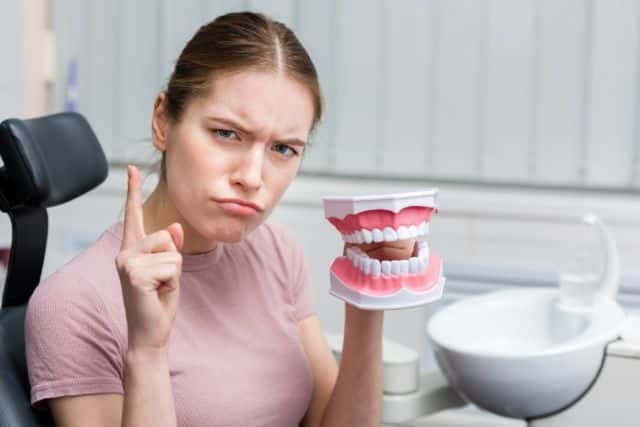
Losing teeth can affect not just your smile but also your confidence and oral health. Fortunately, modern dentistry offers a range of fake teeth options to restore your smile and function. Whether you’re considering dentures, implants, or veneers, understanding the types, costs, and care involved is essential before making a decision. This comprehensive guide covers everything you need to know about fake teeth to help you choose the best solution for your needs.
What Are Fake Teeth?
Fake teeth refer to artificial replacements designed to restore the appearance and function of missing natural teeth. They can vary widely, from removable dentures to permanent dental implants. Fake teeth improve chewing ability, speech, and aesthetics, playing a vital role in oral rehabilitation.
Types of Fake Teeth
1. Dentures
Dentures are removable prosthetic devices that replace missing teeth and surrounding tissues. They come in two main varieties:
- Complete Dentures: Replace all teeth in the upper or lower jaw. They rest directly on the gums and are custom-made to fit your mouth.
- Partial Dentures: Replace a few missing teeth and attach to remaining natural teeth with metal clasps or precision attachments.
Dentures are typically made from acrylic resin and sometimes combined with metal for structural support.
2. Dental Implants
Dental implants are a permanent solution involving titanium posts surgically inserted into the jawbone. These posts act as artificial roots, supporting crowns, bridges, or implant-supported dentures.
- Single Implants: Replace individual teeth with a crown.
- Implant-Supported Bridges: Replace multiple teeth by anchoring a bridge to implants.
- All-on-4 Implants: A full arch of teeth supported by just four implants.
Dental implants provide a natural look and feel and help maintain jawbone health by stimulating bone growth.
3. Dental Veneers
Veneers are thin porcelain or composite resin shells bonded to the front surface of teeth. While not replacements for missing teeth, veneers cover imperfections such as chips, discoloration, or minor gaps, creating a flawless smile.
4. Bridges
Bridges are fixed prosthetic devices anchored to natural teeth or implants on either side of a gap. They replace one or more missing teeth and are cemented in place, unlike dentures.
Costs of Fake Teeth
The cost of fake teeth varies greatly depending on the type, materials used, and geographical location. Here’s a general idea of price ranges in 2025:
| Type | Average Cost (USD) |
|---|---|
| Complete Dentures | $600 – $2,000 per arch |
| Partial Dentures | $300 – $1,500 |
| Single Dental Implant | $1,500 – $6,000 per tooth |
| Implant-Supported Bridge | $5,000 – $15,000 for multiple teeth |
| Veneers | $800 – $2,500 per tooth |
| Fixed Bridges | $2,000 – $5,000 |
Additional costs might include consultations, imaging (X-rays or CT scans), anesthesia, and follow-up visits.
Choosing the Right Fake Teeth for You
Several factors influence the choice of fake teeth:
- Number of Missing Teeth: Full arch replacement might need dentures or all-on-4 implants.
- Budget: Dentures are usually more affordable, while implants cost more upfront but offer long-term benefits.
- Jawbone Health: Implants require sufficient bone density, so some patients may need bone grafts.
- Lifestyle and Maintenance: Dentures need daily removal and cleaning, implants are cared for like natural teeth.
- Aesthetic Goals: Veneers and implants offer more natural appearances.
Consulting with a qualified dentist or prosthodontist will help tailor the best treatment plan.
How to Care for Fake Teeth
Proper care extends the life of your fake teeth and maintains oral health.
Denture Care
- Daily Cleaning: Remove and brush dentures with a soft-bristled brush using mild soap or denture cleaner. Avoid toothpaste as it can be abrasive.
- Soaking: Soak dentures overnight in a cleansing solution to keep them moist and disinfected.
- Handle Carefully: Avoid dropping dentures as they can break easily.
- Regular Dental Visits: Check for fit and oral health changes.
Dental Implant Care
- Brushing and Flossing: Treat implants like natural teeth—brush twice daily and floss carefully around the implant.
- Avoid Hard Foods: Prevent damage by avoiding excessively hard or sticky foods.
- Regular Checkups: Dental visits every six months help monitor implant health and surrounding tissues.
Veneers and Bridges Care
- Gentle Brushing: Use a non-abrasive toothpaste to prevent surface scratches.
- Floss Daily: Pay attention to the areas between veneers or bridges and natural teeth.
- Avoid Staining Foods: Limit coffee, tea, and smoking to keep veneers bright.
Common Concerns and Myths About Fake Teeth
- Fake Teeth Look Unnatural: Modern materials and techniques make fake teeth look very natural and customizable.
- They Are Uncomfortable: Well-fitted dentures and implants are designed for comfort; initial adjustment periods vary.
- Implants Are Painful: The procedure is typically done under anesthesia, and post-operative discomfort is manageable.
- Fake Teeth Don’t Last: With proper care, implants can last a lifetime; dentures and bridges may need replacement over time.
Benefits of Using Fake Teeth
- Improved Appearance: Restore your smile and facial structure.
- Enhanced Functionality: Chew and speak clearly.
- Oral Health Preservation: Implants prevent bone loss and maintain jaw integrity.
- Boosted Confidence: Feel comfortable in social and professional settings.
Final Thoughts
Choosing fake teeth is a significant step toward restoring your oral health and confidence. With various options from dentures to implants and veneers, there’s a solution tailored for every need and budget. Understanding types, costs, and proper care ensures you make informed decisions for a healthy, beautiful smile.
Always consult with a dental professional to evaluate your condition and find the best fake teeth solution that fits your lifestyle and goals. With advancements in dental technology, 2025 offers more natural, durable, and affordable options than ever before.