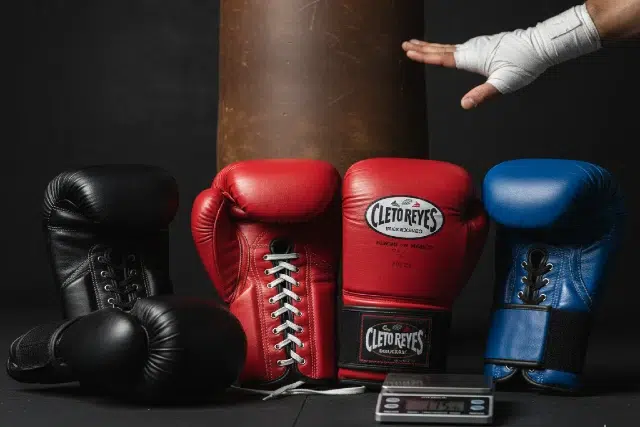
If you’ve spent any real time in a boxing gym, you’ve probably heard the same line more than once: “Get good gloves, or you’ll pay for it later.” That’s not gym drama. It’s just reality. Your hands, wrists, and knuckles take thousands of impacts in training, and the wrong pair can turn a solid camp into a frustrating cycle of soreness, sprains, and missed sessions. That’s why cleto reyes boxing gloves keep coming up in conversations between coaches, sparring partners, and fighters who take training seriously. They have a long reputation, a very specific feel, and a price tag that makes you stop and think before you hit “buy.” The good news is, if you understand what you’re buying and choose the right setup for your style, they can be one of those purchases you don’t regret.
This guide walks you through everything that actually matters: sizing, glove weight, lace vs hook-and-loop, which models fit which type of training, how to avoid counterfeits, and how to make them last.
Why Cleto Reyes still matters in 2026
Cleto Reyes is one of the best-known Mexican boxing brands, with gloves traditionally handmade in Mexico and a legacy connected to high-level boxing for decades. The brand itself emphasizes artisan production and a history going back to the mid-20th century.
But “legacy” isn’t what you feel when you throw a jab. What you feel is this:
- A compact, punchy glove profile
- Strong wrist support (especially in lace-ups)
- A firmer padding sensation compared to many pillowy sparring gloves
- Leather that breaks in and molds to your hand over time
That firmer, more “connected” feel is a big part of why some fighters love them for bag and pad work. It’s also why you need to be smart about which pair you use for sparring.
How to avoid fake Cleto Reyes gloves
Because cleto reyes boxing gloves are popular and pricey, counterfeits exist. Some counterfeit versions look convincing in photos and fall apart fast in real training, which is exactly when you don’t want gear failing.
A few practical checks buyers often use:
- Buy from official channels or reputable combat sports retailers
- Ask for detailed photos of labels, stitching, and logo embossing
- Compare price realism (deep discounts can be a red flag)
- Check return policy and authenticity guarantees
There are guides published by retailers specifically focused on distinguishing originals from imitations, which can help you know what to look for in logos, tags, and finishing details.
Quick definition: what people mean by “Mexican-style” gloves
You’ll hear people say “Mexican gloves” like it’s a category. Generally, they mean gloves that feel more compact and punch-forward, with padding that can feel firmer and less bulky than some Japanese-style training gloves.
Not every glove made in Mexico feels identical, and not every glove with that feel is made there. But the term is usually pointing to a feedback-heavy glove that rewards clean technique and punishes sloppy wrist alignment.
The first big decision: what will you use them for?
Before you think about colors, lace loops, or which pro wore them, decide the job:
Bag and pad work
Bag work is repetitive impact. Pads are sharper impact and timing-heavy. For both, fighters tend to like gloves that feel responsive and stable.
Typical glove weights:
- 10 oz to 12 oz for most adults who want speed and feedback
- 14 oz if you prefer more protection or have hand issues
Sparring
Sparring is not bag work. Your partner is not a heavy bag. You want enough padding for safety, and you want a glove that doesn’t turn into a weapon as the foam hardens over time.
A common gym standard is 14 oz to 16 oz for sparring, with many gyms preferring 16 oz for safety. (Exact rules depend on the gym and sanctioning bodies.)
Competition or event training
Rules vary by organization, level, and weight class. For amateur-style competition, glove specs are often controlled by the sanctioning body. If you’re training for a specific event, match the glove requirements for that event.
For context, organizations publish technical and competition rules that specify equipment requirements.
Cleto Reyes glove weights: how to choose the right oz
Here’s the honest truth: glove “oz” is not a perfect measurement of how protective a glove will feel. Different brands distribute padding differently. Some 16 oz gloves feel bulky and soft; others feel compact and firm.
Still, weight is the best starting point.
A practical glove weight table
| Your main use | Common glove weight | Why it works |
|---|---|---|
| Bag and mitts (speed and feedback) | 10 oz to 12 oz | More snap, less bulk, sharper feedback |
| Bag and mitts (more protection) | 14 oz | Less sting on knuckles, still usable on pads |
| Technical sparring | 14 oz to 16 oz | More padding for partner safety |
| Heavier sparring or larger fighters | 16 oz (sometimes 18 oz) | Extra padding and mass can reduce damage in exchanges |
Many gyms also encourage keeping separate gloves for bag work and sparring, because bag work can harden padding and rough up the surface, which is bad news for sparring partners.
Lace-up vs hook-and-loop: which closure makes more sense?
This is where a lot of people get stuck, because they want the “pro” option but also want to train alone.
Lace-up
Best for: maximum wrist support, snug fit, serious sparring sessions, and anyone who tapes hands consistently.
Pros:
- Excellent wrist stability
- Secure, custom feel once tied correctly
- Often preferred for sparring and high-level training
Cons:
- You need help to lace them properly (unless you use lace converters)
- Slower on and off
Hook-and-loop (velcro)
Best for: solo training, quick sessions, mixed workouts.
Pros:
- Easy to put on alone
- Fast between rounds
- Convenient for everyday training
Cons:
- Typically less wrist stability than lace-ups
- Velcro wears over time
If wrist stability is a top priority, lace-ups usually win. If you’re training alone most days, hook-and-loop keeps life simple.
Cleto Reyes models and how they usually fit into training
Retailers and distributors sometimes list different Cleto Reyes glove models or lines, and availability can vary by region. The key is to match the glove’s “feel” and intent to your training.
A useful way to think about it:
1) Training gloves for bag and mitts
This is where the classic Cleto Reyes “feedback” reputation tends to shine. If you love feeling your punches land cleanly, you’ll understand why so many fighters keep a dedicated bag pair.
2) Sparring-focused choices
If you’re sparring regularly, prioritize padding and partner safety. Some fighters still use Cleto Reyes for sparring, but they tend to do it with appropriate weight and a mindset that sparring is for learning, not scoring damage.
3) Hybrid use (one glove for everything)
You can do it, but it’s rarely ideal. If you’re buying just one pair, most people try to land in the 14 oz range as a compromise. The trade-off is you lose a bit of sharpness on the bag and you still need to be mindful during sparring.
Fit matters more than people admit
A glove can be “premium” and still be wrong for your hand.
When you try on gloves (or test fit at home), check these:
- Finger length: your fingertips should reach near the end without being crushed
- Knuckle position: your knuckles should sit in the intended padding zone
- Wrist alignment: make a tight fist; your wrist should feel supported, not wobbly
- Hand wrap compatibility: the glove should fit with your usual wraps, not just bare hands
If you’re between sizes or your hands are wider, factor that in before committing. A glove that feels too tight with wraps becomes miserable after a few rounds.
Real-world scenarios: which setup fits which fighter?
Scenario A: The serious bag worker
You do lots of rounds on the heavy bag, and you care about speed and punch feedback.
Typical approach:
- 10 oz or 12 oz for bag and pads
- A separate 16 oz pair for sparring (even if sparring is occasional)
Scenario B: The sparring-first fighter
You’re in camp, sparring regularly, and want stability and safety.
Typical approach:
- 16 oz lace-ups (or very solid wrist support) for sparring
- A second, lighter glove for bag and mitts
Scenario C: The all-around gym boxer
You train 3 to 5 days a week. You do bag, pads, conditioning, and light sparring sometimes.
Typical approach:
- 14 oz as a main glove
- Add a dedicated sparring glove later if sparring volume increases
Safety and injury reality check
People sometimes buy gloves like they’re fashion. But boxing is a sport with real injury risk, especially in competition and sparring. A systematic review and meta-analysis on amateur boxing injuries estimated a high injury risk in competition compared to training, with head and face injuries among common competition injuries.
And zooming out, medical organizations have long raised concerns about brain injury risks in boxing.
The takeaway isn’t “panic.” It’s “train smart.” Your glove choice is one small part of a bigger safety system that includes:
- smart sparring intensity
- proper coaching
- good hand wraps and tape
- rule enforcement
- medical oversight
Care and break-in: how to make them feel “right” and last longer
Good gloves feel better over time, but only if you treat them like equipment, not like a gym towel you forgot in the trunk.
Break-in basics
- Start with bag and pad work at moderate intensity
- Let the gloves mold naturally; don’t try extreme “quick break-in hacks” that damage leather
- Use proper wraps so the inside lining isn’t fighting sweat and friction
After-training routine (non-negotiable if you want longevity)
- Wipe the exterior with a clean cloth after every session
- Open the gloves and air them out immediately
- Use glove deodorizers or dry inserts if you sweat heavily
- Never leave them sealed in a bag overnight
This matters because moisture and bacteria ruin lining and create that stubborn glove smell that never truly goes away.
Price expectations in 2026: what you’re paying for
The price of Cleto Reyes often reflects:
- brand positioning and demand
- leather and craftsmanship claims from the manufacturer
- distribution and import costs
Cleto Reyes markets itself as a long-established brand with handmade production.
Instead of chasing the lowest price, focus on value: authenticity, fit, and whether the glove matches your training needs. A cheaper glove that injures your hands is expensive in the worst way.
FAQ: Cleto Reyes buying questions people ask all the time
Are cleto reyes boxing gloves good for beginners?
They can be, as long as the beginner chooses a protective weight, wraps properly, and doesn’t treat sparring like a fight. Beginners who hit the bag hard with poor technique may actually benefit from a glove that teaches clean alignment, but comfort and protection still matter most early on.
Should I spar in Cleto Reyes gloves?
You can, but choose an appropriate weight (often 16 oz) and prioritize partner safety. Also, avoid using your bag gloves for sparring since padding can harden over time, which many gyms warn against.
Do lace-ups really make a difference?
Yes, mainly for wrist stability and a locked-in fit. If you’ve ever felt your wrist bend slightly on a hook, you understand why fighters like lace-ups.
How many ounces should I get if I’m doing everything with one pair?
If you truly need one pair for mixed training, many people land around 14 oz. It’s a compromise between bag work performance and sparring safety. Gym expectations still vary, so if your gym enforces 16 oz for sparring, follow that.
How do I know if mine are fake?
The safest path is buying from trusted sellers and using authenticity cues like build quality, stitching, labels, and consistency with known originals. Counterfeit versions are common enough that reputable sellers publish detailed checks.
Conclusion
At the end of the day, cleto reyes boxing gloves aren’t magic. They won’t fix poor technique, and they won’t replace smart coaching. What they can do is give you a durable, feedback-heavy training tool that feels “alive” in your hands, especially for bag and pad work. If you choose the right weight, pick the closure that fits your routine, and keep a separate sparring pair when needed, you’ll get what serious fighters are usually looking for: confidence in your gear and fewer distractions in training.
And if you ever want a quick reminder of what these tools were originally designed to do, it’s worth remembering the purpose of boxing gloves: to regulate impact, protect the hands, and make training and competition more controlled than bare-knuckle fighting.