
Not every child raises their hand first or rushes to make new friends. Some children prefer to observe before they act, think before they speak, and recharge in quieter moments rather than busy ones. These children aren’t behind—they simply experience the world differently. And with the right environment, they thrive just as much as anyone else.
Quality childcare programs are uniquely positioned to support these children. Structured routines, trained educators, and thoughtfully designed spaces all play a role in helping quieter children build confidence, develop social skills, and grow at their own pace. Here are eight specific ways childcare makes a meaningful difference for introverted and quiet children.
1. Structured Routines Reduce Anxiety
Predictability is a quiet child’s best friend. When children know what to expect throughout the day—arrival, meals, learning time, free play—they spend less mental energy worrying about what comes next. That sense of safety frees them up to engage more fully with activities and people around them.
Premium childcare centres build their days around consistent routines. At Lorna Whiston’s Day Care programme in Petaling Jaya, for example, the daily schedule moves children through structured blocks of homework guidance, enrichment, meals, and free choice activities. This kind of predictability gives introverted children a reliable foundation to stand on.
2. Small Group Settings Build Social Confidence
Large, noisy groups can overwhelm quieter children. Small group settings, by contrast, give them room to participate without feeling crowded out. A child who would not say a word in a class of 30 might open up easily in a group of four or five.
Good childcare programmes create these smaller moments intentionally—through group projects, paired reading activities, or guided discussions where every child has a chance to contribute. Over time, these experiences build the kind of social confidence that carries into school and beyond.
3. Qualified Educators Recognize and Respond to Different Personalities
One of the most important factors for any child’s development is having an adult in the room who truly sees them. Highly qualified educators understand that a quiet child is not a disengaged child. They know how to draw out thoughtful responses, provide encouragement without pressure, and create space for different communication styles.
Centres like Lorna Whiston’s Day Care programme prioritize professional, experienced teachers dedicated to whole-child development. That kind of educator awareness makes a significant difference for children who would not naturally advocate for themselves.
4. Independent Learning Time Supports Natural Strengths
Many introverted children are deep thinkers. They do their best work when given time and space to process ideas independently, without the pressure of group competition. Homework supervision sessions, reading activities, and self-directed projects all cater to this natural strength.
Rather than pushing every child toward the same style of participation, quality childcare programmes make room for independent learning as a valued part of the day. Quiet children often excel in these settings—and that success builds genuine self-esteem.
5. Creative Enrichment Opens New Channels of Expression
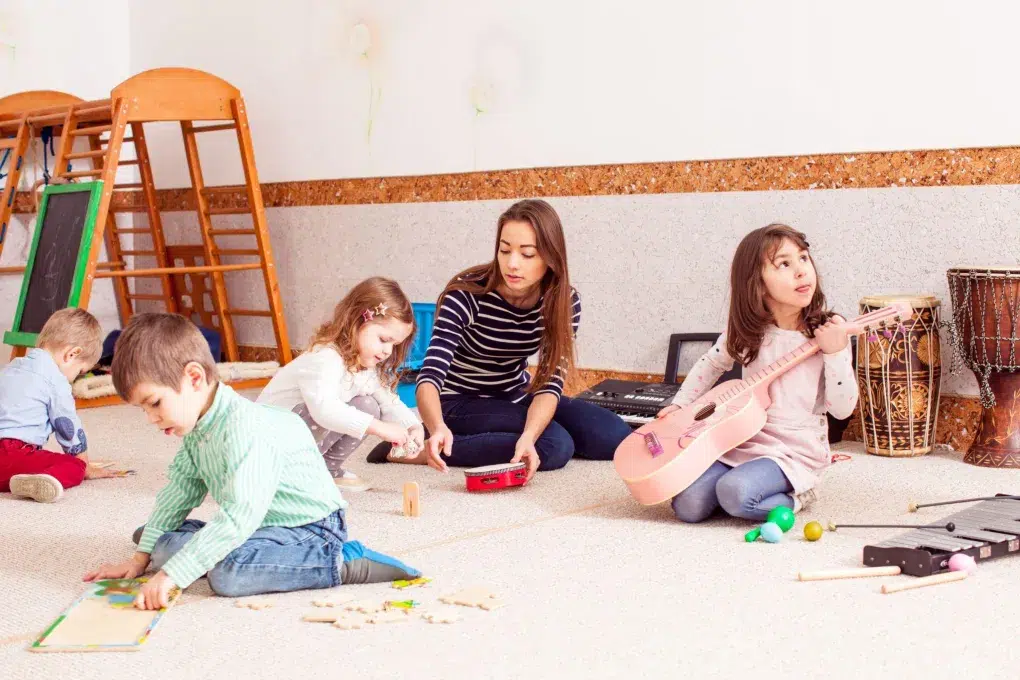
Not every child expresses themselves through words. Art, music, drama, and writing offer alternative outlets that quieter children often gravitate toward naturally. Creative enrichment activities give these children a way to communicate, connect, and shine on their own terms.
Lorna Whiston’s programme incorporates creative enrichment into the daily schedule, giving children regular opportunities to explore these outlets. For an introverted child, discovering a talent for storytelling or visual art can be genuinely transformative.
6. Physical Play Supports Emotional Regulation
Quiet children still need to move. Physical activity helps children manage stress, release built-up tension, and return to focused tasks with a clearer head. Outdoor play and structured physical activities also provide natural, low-pressure opportunities for social interaction—running around together does not require the same effort as making conversation.
Daily physical play, both indoors and outdoors, is a core feature of well-designed childcare programmes. It supports emotional regulation in ways that directly benefit children who tend to internalize stress or feel overstimulated by social demands.
7. Nutritious Meals Support Focus and Mood
There is a direct connection between what children eat and how they feel. Blood sugar dips, hunger, and poor nutrition all affect a child’s ability to concentrate, regulate emotions, and engage with others. For quieter children who may already be managing higher levels of internal stimulation, this matters even more.
Childcare centres that provide fresh, balanced meals throughout the day—free from unnecessary additives—give children the physical foundation they need to show up fully. Small, consistent details like this add up over time.
8. A Safe, Nurturing Environment Encourages Children to Open Up
Perhaps the most powerful thing a childcare setting can offer a quiet child is simply safety. When children feel genuinely secure—physically, emotionally, and socially—they are far more likely to take the small risks that lead to growth: raising a hand, joining a group, trying something new.
Creating that environment requires intentional effort: clean, welcoming spaces, consistent educators, clear behavioural expectations, and a culture where every child is treated with respect. It doesn’t happen by accident. It’s the result of a childcare philosophy that genuinely prioritizes the whole child.
The Right Childcare Environment Changes Everything
For parents of quieter children, the question isn’t whether their child can thrive—it’s whether the right conditions exist for them to do so. The eight factors above aren’t nice-to-haves. They’re the foundations of a programme that genuinely supports every kind of learner.
If you are looking for a premium childcare option in Petaling Jaya that takes a whole-child approach to development, Lorna Whiston’s Day Care programme is worth exploring. With experienced educators, integrated enrichment, structured routines, and a nurturing environment, it’s designed to help all children grow with confidence—especially those who need a little more space to come into their own. Book a campus tour today to see it for yourself.