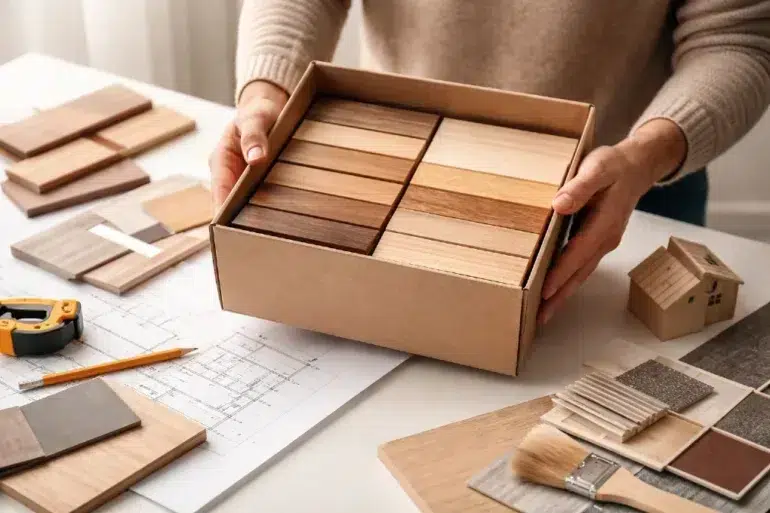
If you are planning a renovation, a built in feature, or even a simple storage upgrade, boxed wood is one of those materials that deserves a closer look. It is practical, versatile, and easy to adapt to all kinds of home work, from structural framing to decorative finishes. In modern homes, where clean lines, efficient layouts, and durable materials matter more than ever, boxed wood often becomes the go to choice for both professionals and DIY homeowners.
What makes boxed wood so useful is its flexibility. It can support shelves, frame spaces, create neat enclosures, and help homeowners achieve a polished look without overcomplicating the job. Whether you are updating a living room, improving a garage, or refining a kitchen layout, boxed wood fits into projects that demand strength, shape, and visual consistency. That is why it keeps showing up in smart home upgrades, modern interior features, and practical remodeling plans.
Modern home design is also moving toward better energy performance and more efficient use of materials. The U.S. Department of Energy notes that advanced framing methods can reduce lumber use, cut waste, and improve wall insulation performance by making more room for insulation while maintaining structural integrity. That trend has made wood based building solutions even more relevant in residential work today.
What Is Boxed Wood?
In home projects, boxed wood usually refers to wood components shaped, assembled, or framed into box like forms for support, enclosure, storage, finishing, or design. Sometimes the term is used loosely to describe wood that is cut and prepared for box framing, while in other situations it refers to wood structures built into rectangular or square forms.
That might include:
- Boxed in beams
- Box style shelving units
- Framed enclosures around pipes or columns
- Built in storage cubbies
- Window seat bases
- Cabinet style structures
- Decorative wall features
The appeal of boxed wood is simple. It creates order. Instead of leaving awkward gaps, exposed framing, or unfinished utility areas visible, it helps turn raw space into something useful and attractive.
Why Boxed Wood Works So Well in Modern Homes
There is a reason builders and remodelers keep returning to boxed wood in home projects. It checks multiple boxes at once.
It is easy to customize
Homes are full of odd dimensions. A standard off the shelf product does not always fit. Boxed wood can be measured, cut, and assembled to suit almost any wall, niche, corner, or utility area.
It balances function and appearance
A lot of materials do one thing well. Some look nice but lack strength. Others are strong but not visually appealing. Boxed wood can do both, especially when painted, stained, or finished to match the rest of the room.
It supports efficient construction
According to the Department of Energy, advanced wood framing methods can improve energy efficiency and reduce waste by using materials more strategically. In practical terms, that means well planned wood structures can contribute to better performance in modern homes while still delivering the strength homeowners expect.
It suits many styles
Minimalist, farmhouse, Scandinavian, transitional, and modern industrial spaces can all make room for boxed wood. The final look depends on the finish, shape, and placement, not just the material itself.
Top Uses of Boxed Wood in Modern Home Projects
Here is where boxed wood really proves its value. These are the most common and effective ways homeowners and contractors use it today.
1. Built In Storage Units
One of the top uses of boxed wood is built in storage. In modern homes, storage needs to work harder. People want cleaner spaces, fewer bulky furniture pieces, and smarter organization. Box style wood construction makes that possible.
Common examples include:
- Entryway cubbies
- Mudroom benches
- Under stair storage
- Bedroom wall units
- Living room media storage
- Laundry room organizers
Because boxed wood can be built to exact dimensions, it is ideal for areas where standard furniture wastes space. A recessed wall section, an empty nook, or a narrow hallway can all become useful with a well designed wood storage feature.
A good built in also increases visual calm. Instead of random bins and mismatched shelves, you get a unified feature that looks intentional.
2. Boxed In Beams and Columns
Not every structural element in a house looks attractive on its own. Steel beams, support posts, and uneven columns can interrupt the look of an otherwise polished room. This is where boxed wood becomes especially useful.
A boxed beam surround or column wrap can:
- Conceal raw structural materials
- Create a more finished architectural look
- Match trim, ceiling details, or cabinetry
- Add warmth to modern interiors
This is a common move in open concept homes, basement remodels, and living room upgrades. A plain support post can look out of place, but when wrapped with boxed wood, it becomes part of the design rather than a problem to hide.
For homeowners who like clean lines, this approach works beautifully. It keeps the structure in place while improving the room visually.
3. Kitchen Islands and Base Structures
Modern kitchens often rely on strong internal framing before finishes are added. Boxed wood is frequently used to build the base structure of kitchen islands, breakfast bars, appliance surrounds, and custom pantry sections.
Why it works in kitchens:
- It creates a solid framework
- It allows precise sizing
- It supports countertops and storage components
- It adapts well to custom layouts
A kitchen island has to do a lot. It may hold seating, storage, plumbing, or electrical features. The internal support matters. Well built boxed wood framing gives that island a strong foundation and helps ensure long term durability.
In remodels, this can be more practical than trying to force factory made units into a room with unusual dimensions.
4. Floating Shelves and Box Shelving
Floating shelves remain one of the most popular modern home features, and boxed wood plays a big role in how they are built. Box construction allows shelves to look thick, streamlined, and substantial without necessarily using a massive solid slab.
This is especially popular in:
- Kitchens
- Bathrooms
- Home offices
- Living rooms
- Reading nooks
A boxed shelf can hide mounting hardware, create a cleaner profile, and deliver that modern thick shelf look many homeowners want. It is one of the smartest ways to get a custom appearance without overspending on heavy hardwood stock.
Here is a quick comparison:
| Use | Why Boxed Wood Helps | Best Room Types |
|---|---|---|
| Floating shelves | Hides support, creates thicker visual profile | Kitchen, office, living room |
| Built in cubbies | Custom sizing, efficient storage | Mudroom, bedroom, hallway |
| Beam wraps | Covers structural elements neatly | Living room, basement, loft |
| Kitchen island bases | Strong frame for custom layouts | Kitchen |
| Utility enclosures | Conceals pipes, ducts, wiring | Basement, laundry room, garage |
5. Utility Area Enclosures
A lot of modern renovation work is about hiding what does not need to be seen. Exposed pipes, duct lines, water connections, and electrical runs can make a room look unfinished fast. Boxed wood is one of the simplest ways to clean that up.
You often see this in:
- Basements
- Laundry rooms
- Garages
- Utility closets
- Bathroom remodels
Instead of leaving a mechanical feature exposed, builders create a neat box around it. That boxed section can then be painted or finished to blend into the rest of the room. In some cases, it can even double as a shelf, ledge, or design feature.
The key is planning for access. If the enclosed area may need repairs later, the boxed wood build should include a removable panel or access door.
6. Window Seats and Reading Nooks
Homeowners want comfortable spaces that also make practical sense. Window seats are a perfect example. They add charm, create extra seating, and can include hidden storage. Most of these builds rely on boxed wood construction for the base.
A well built window seat can offer:
- Storage for blankets, books, or toys
- A custom fit under existing windows
- A clean architectural feature
- More efficient use of dead wall space
In smaller homes, this type of project has strong value because one feature serves multiple purposes. It is seating, storage, and style all at once.
7. Media Walls and Entertainment Centers
The old bulky entertainment unit has mostly faded out. Today, homeowners prefer custom or semi custom media walls that look integrated into the room. Boxed wood makes that possible.
Typical uses include:
- Framing a mounted TV wall
- Creating lower storage cabinets
- Building side shelving
- Boxing around a fireplace insert
- Forming recessed display areas
This kind of project works particularly well in modern living rooms where symmetry and built in storage matter. A media wall made with boxed wood can hide cords, define the focal point of the room, and reduce clutter.
8. Bathroom Vanity Structures and Storage Towers
Bathrooms are often tight on space, which is exactly why custom wood structures are so helpful. Boxed wood can be used to frame vanity bases, side towers, linen cabinets, and niche shelving.
Because bathrooms deal with moisture, material selection matters. If you are using boxed wood in a bathroom project, proper sealing and finishing are essential. That does not make the material less practical. It simply means the build should be planned with the room conditions in mind.
When done correctly, this approach gives homeowners:
- Better use of narrow spaces
- Tailored storage
- A more upscale built in look
- Greater layout flexibility
9. Garage and Workshop Organization
The garage is one of the most overlooked places for smart upgrades, yet it benefits enormously from boxed wood structures. Shelving, tool storage, utility benches, and wall mounted cubbies all become easier to design when the framing follows a box based approach.
This matters because garages need durability and order more than fancy styling. Boxed wood delivers both. It can handle weight, create repeatable storage zones, and make awkward corners far more useful.
For homeowners who enjoy weekend projects, this may be one of the most satisfying applications because the results are immediate and practical.
10. Decorative Wall Features and Room Dividers
Not all uses of boxed wood are purely functional. It is also widely used in decorative wall systems, slatted dividers, framed accent walls, and custom architectural details.
A boxed wall feature can:
- Break up a large plain wall
- Add texture and depth
- Frame artwork or shelving
- Define zones in open spaces
This kind of design is increasingly popular because homeowners want spaces that feel custom without requiring a full structural remodel. A carefully proportioned wood feature can change the entire character of a room.
Smart Tips for Using Boxed Wood Successfully
To get the best results from boxed wood, it helps to think beyond the shape itself. The finish, location, and construction approach all influence performance.
Measure twice and plan access points
Boxing around plumbing or utilities can look great, but never block future maintenance. Leave removable panels where needed.
Choose the right wood product
Some projects call for solid lumber. Others work better with plywood, MDF, or engineered wood panels. APA, the Engineered Wood Association, provides extensive technical information on structural wood products and their applications, which can help builders match material type to project demands.
Think about moisture and temperature
In kitchens, bathrooms, and basements, finishing matters. Seal and protect the material properly so the structure lasts.
Match the room style
Painted boxed wood suits modern and transitional interiors. Stained finishes can bring warmth to rustic or classic spaces. The same structure can feel very different depending on the finish you choose.
Use it to solve awkward spaces
The best projects often start with an annoying problem. A strange corner, a pipe chase, a gap beside cabinetry, or a dead zone under stairs can all become useful through smart wood box construction.
Common Questions Homeowners Ask
Is boxed wood good for DIY home projects?
Yes, especially for shelving, storage units, bench bases, garage organization, and simple enclosures. Projects involving load bearing or concealed utilities may require a contractor.
Is boxed wood only for modern homes?
Not at all. The clean shapes work well in modern interiors, but the material can be finished to suit farmhouse, traditional, or transitional styles too.
Can boxed wood improve energy efficiency?
Indirectly, yes. Wood based framing strategies that use materials efficiently can support better insulation layouts. The Department of Energy notes that advanced framing can reduce waste and allow more room for insulation, which can improve whole wall performance.
Is boxed wood expensive?
It depends on the project size, material choice, finish level, and labor involved. Custom built ins cost more than basic shelving, but they often deliver better use of space and a more permanent result.
Final Thoughts
The popularity of boxed wood in modern home projects is easy to understand. It is adaptable, attractive, and genuinely useful. From beam wraps and utility enclosures to window seats and custom media walls, boxed wood helps homeowners turn empty, awkward, or unfinished areas into features that feel intentional.
It also fits the way people live now. Homes are expected to do more. Rooms need storage, flexibility, and style at the same time. With thoughtful design, boxed wood can meet all three goals without making a project feel overbuilt or overly expensive. It works for practical upgrades, custom finishes, and everyday problem solving.
If your goal is a cleaner layout, better organization, and a more finished look, boxed wood is one of the most reliable materials to consider. In the last step of planning, it is worth reviewing the broader role of engineered wood in modern construction, especially when choosing materials for durability, consistency, and efficient installation. For technical wood product information, the APA resource library is useful, and for framing efficiency and insulation performance, the U.S. Department of Energy provides practical building science references.