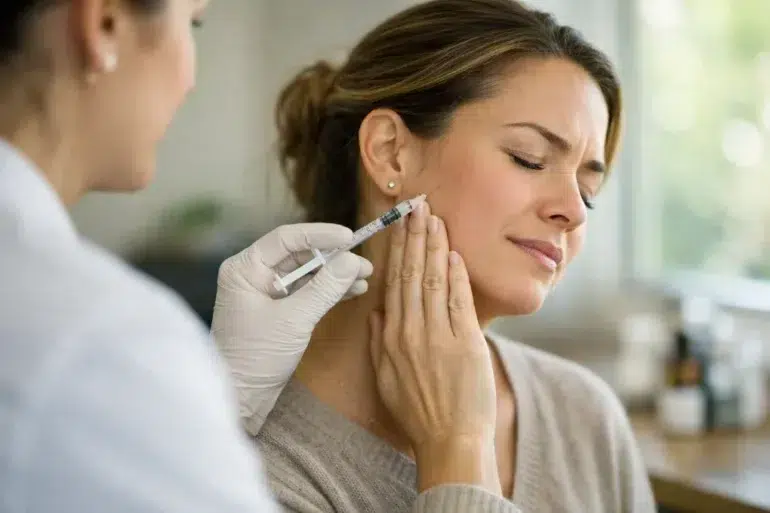
Jaw pain can wear you down in ways people rarely see. It can make chewing uncomfortable, trigger headaches, leave your face feeling tense, and turn a normal morning into a struggle before breakfast is even over. That is exactly why interest in Botox for TMJ has grown so quickly. People want relief that feels targeted, practical, and fast.
If you have been researching Botox for TMJ, you have probably come across a mix of glowing reviews, cautious warnings, and confusing price ranges. That is because this treatment sits in a gray area. It is widely used in clinical practice for certain jaw muscle problems, but the evidence is still evolving, and it is not FDA approved specifically for temporomandibular disorders, also called TMDs. The National Institute of Dental and Craniofacial Research notes that studies on botulinum toxin for TMD have shown mixed results, even though it may help relax overactive chewing muscles in some patients.
So what should you actually expect from Botox for TMJ? The short answer is this: it may reduce jaw tension, clenching-related pain, and muscle overactivity in the right patient, but it is not a universal fix for every TMJ problem. Results depend heavily on whether your pain is mainly muscular, how severe your symptoms are, and who performs the injections.
This article breaks down the real-world cost, likely side effects, expected results, ideal candidates, and the questions worth asking before booking treatment.
What Is TMJ and Why Do People Consider Botox?
The temporomandibular joints are the two joints that connect your jawbone to your skull. These joints work together with muscles, ligaments, and a cartilage disc to help you talk, chew, yawn, and move your jaw smoothly. When something goes wrong in that system, the condition is usually called TMD, even though many people casually say “TMJ.”
TMD is not rare. The American Academy of Family Physicians reports that temporomandibular disorders affect about 5% to 12% of the population. NIDCR materials also estimate that roughly 5% to 10% of people in the United States have some form of TMD, and these disorders are more common in women.
Common symptoms include:
- Jaw pain or tenderness
- Facial aching
- Headaches
- Ear discomfort or fullness
- Clicking or popping with pain
- Jaw locking
- Difficulty chewing
- Teeth grinding or clenching
- Tightness in the masseter or temple muscles
Not every person with TMD is a good candidate for Botox for TMJ. That is an important distinction. If your pain is driven by inflamed joints, a displaced disc, arthritis, or structural bite issues, injections into the chewing muscles may offer limited benefit. But if your symptoms are driven by muscle overactivity, clenching, bruxism, or myofascial pain, Botox for TMJ may be more relevant.
How Botox for TMJ Works
Botox for TMJ uses botulinum toxin type A, the same class of injectable used for conditions such as chronic migraine and excessive sweating. It works by temporarily reducing muscle activity. In the TMJ setting, providers usually inject it into muscles like the masseter, temporalis, and sometimes other jaw muscles involved in clenching and grinding.
The idea is straightforward. If the muscles are overfiring, constantly tight, or contributing to pain through repetitive tension, temporarily reducing that activity may lower pain and improve comfort. This can also decrease the force of clenching in some patients, which may lessen morning jaw soreness and stress-related flare-ups. NIDCR specifically notes that botulinum toxin type A works by relaxing muscles, though the evidence for TMD remains mixed.
What Botox for TMJ does not do is repair the joint itself. It does not reposition a displaced disc, reverse arthritis, or permanently cure TMD. Think of it as a symptom-management option rather than a structural correction.
Is Botox for TMJ FDA Approved?
This is one of the most important questions, and the answer should be clear.
Botox for TMJ is generally considered an off-label treatment. NIDCR states that botulinum toxin is FDA approved for some medical conditions, but not for TMDs. Off-label use is common in medicine, but it means your provider is using a medication in a way that is not specifically listed as an FDA-approved indication.
That does not automatically mean the treatment is unsafe or inappropriate. It does mean you should expect a thoughtful consultation, a careful diagnosis, and an honest explanation of what is known, what is uncertain, and what alternatives exist.
Who Is a Good Candidate for Botox for TMJ?
The best candidates for Botox for TMJ tend to have a pattern that points toward muscular pain rather than joint damage alone.
You may be a stronger candidate if you have:
- Chronic jaw tension
- Clenching or grinding, especially at night
- Enlarged or sore masseter muscles
- Tension headaches linked to jaw activity
- Myofascial pain that has not improved enough with conservative care
- Flare-ups tied to stress and muscle guarding
You may be a weaker candidate if your symptoms are mostly:
- Joint locking from disc problems
- Severe arthritis
- Major bite or dental alignment issues
- Trauma-related structural injury
- Infection or other nonmuscular causes of facial pain
Mayo Clinic and AAFP both emphasize that TMJ treatment often starts with conservative care such as self-management, anti-inflammatory strategies, oral appliances, physical therapy, and avoiding extreme jaw movement. Surgery is generally reserved for selected refractory cases, not first-line treatment.
That means Botox for TMJ is often considered after simpler options have been tried, especially when the muscular component is obvious.
Botox for TMJ Cost: What You Can Expect to Pay
Cost is one of the biggest reasons people hesitate. Unlike standard dental care with clear fee schedules, Botox for TMJ pricing varies a lot by provider, location, expertise, number of units used, and whether the visit includes consultation or follow-up.
In real-world practice, patients often see pricing based on one of these models:
| Pricing Model | What It Means | Typical Reality |
|---|---|---|
| Per unit | You pay for each unit used | Common in medical aesthetics and specialty practices |
| Per area | Flat fee for the masseter or jaw area | Simple, but may hide how many units are used |
| Per session | One bundled treatment visit | May include consultation or follow-up |
A typical Botox for TMJ session may range from a few hundred dollars to well over $1,000, depending on the dose and region. Higher-cost urban markets and highly specialized injectors usually charge more. If both sides of the jaw and the temples are treated, the total can rise quickly.
Factors that affect Botox for TMJ cost include:
- The number of muscles injected
- The total number of units used
- The provider’s credentials and experience
- Whether the treatment is performed by a dentist, oral surgeon, facial pain specialist, or medical injector
- Geographic location
- Whether follow-up adjustments are included
- Whether your case needs repeat visits every 3 to 4 months
Insurance coverage is inconsistent. Because Botox for TMJ is off-label for TMD, many plans do not cover it routinely. Some patients may receive coverage in specific medical contexts, but many end up paying out of pocket. That is why it is smart to ask for the total expected annual cost, not just the price of one session. If your results last about three months, the true expense may be three or four treatments a year.
How Long Does Botox for TMJ Take to Work?
Most people do not walk out of the office with instant relief. Botox for TMJ usually starts working gradually over several days, with fuller effects often showing up within one to two weeks. That timeline fits how botulinum toxin works in other approved settings as well.
In practical terms, patients often notice:
- Less jaw tightness within a few days
- Reduced clenching intensity after about a week
- Peak benefit around 10 to 14 days
- A softer, less fatigued feeling in the jaw muscles over time
If someone expects an immediate switch from pain to zero pain, they may be disappointed. Botox for TMJ tends to feel progressive rather than dramatic on day one.
How Long Do Results Last?
For many patients, Botox for TMJ lasts around three to four months, though some report a shorter or longer window depending on dose, metabolism, severity of clenching, and injection technique. This general duration is consistent with how botulinum toxin behaves in other clinical uses.
That said, duration is not the same as outcome quality. One person may feel meaningful relief for three months. Another may notice only mild improvement for six weeks. The variability is one reason providers should never frame Botox for TMJ as guaranteed.
Botox for TMJ Side Effects
The good news is that most side effects from Botox for TMJ are temporary and localized when the treatment is performed properly. The less reassuring part is that side effects can still matter, especially when injections are placed into muscles that affect chewing and facial balance.
Common side effects may include:
- Injection-site pain
- Mild swelling
- Bruising
- Tenderness
- Headache
- Temporary chewing weakness
- Jaw fatigue
- Mild facial asymmetry
Broader botulinum toxin safety information from the FDA includes a boxed warning that the effects can spread beyond the injection area in rare cases, causing symptoms such as muscle weakness, swallowing problems, or breathing difficulties. These serious problems are uncommon, but they matter.
A realistic side effect discussion for Botox for TMJ should also include cosmetic changes. When the masseter muscles weaken over time, the lower face can look slimmer. Some patients like that effect. Others do not. In certain cases, too much weakening can change chewing comfort or create a hollowed look.
Here is a simple breakdown:
| Side Effect | How Common | What It Usually Feels Like |
|---|---|---|
| Bruising or soreness | Common | Mild and short-lived |
| Headache | Common | Temporary, often resolves quickly |
| Chewing weakness | Possible | Biting hard foods may feel odd |
| Smile asymmetry | Less common | Usually technique-related and temporary |
| Trouble swallowing or generalized weakness | Rare but serious | Needs urgent medical attention |
The American Academy of Dermatology also warns patients to seek treatment from qualified medical professionals and avoid counterfeit injectables, which carry serious safety risks.
What the Research Says About Botox for TMJ Results
This is where the conversation gets nuanced. Some patients clearly feel better with Botox for TMJ, particularly when muscle tension and clenching are major drivers of pain. But systematic reviews have not shown a clean, universal victory over placebo or standard treatment.
A 2024 systematic review and meta-analysis published in PLOS One concluded that the current body of research has not yet produced definitive conclusions about the effectiveness of botulinum toxin for TMD. The review found that evidence remains limited and inconsistent, especially across different study designs, doses, and outcome measures.
That does not mean Botox for TMJ never works. It means the evidence is mixed, and patient selection matters.
In real practice, the people most likely to report good results tend to be those with:
- Muscle-dominant jaw pain
- Bruxism or clenching
- Tender, bulky masseter muscles
- Stress-related flare-ups
- Poor response to oral appliances alone
People with joint-based pathology may still need imaging, bite evaluation, oral appliance therapy, physical therapy, medication, or oral and maxillofacial evaluation rather than relying on injections alone.
What a Botox for TMJ Appointment Is Like
A quality consultation should start with diagnosis, not a syringe. A good provider will ask where the pain is located, what triggers it, whether you grind your teeth, whether you wake up sore, and whether your symptoms suggest muscle pain, joint dysfunction, or both.
A treatment visit for Botox for TMJ usually involves:
- Examining the jaw muscles and bite pattern
- Identifying tender or hypertrophic muscles
- Mapping injection points
- Cleaning the area
- Administering several small injections
- Reviewing aftercare and expected timing
The actual injection portion is usually quick. Many patients describe it as tolerable and brief. Normal activity can often be resumed the same day, though it is still wise to follow the provider’s aftercare instructions.
Botox for TMJ vs Other Treatments
Botox for TMJ should be viewed as one tool, not the only tool.
Common alternatives or companion treatments
- Night guards or oral appliances
- Physical therapy for the jaw and neck
- Anti-inflammatory medication when appropriate
- Stress management and sleep improvement
- Soft food periods during flare-ups
- Heat therapy
- Trigger point work
- Behavioral strategies to reduce daytime clenching
Mayo Clinic and AAFP both support conservative, multimodal care as a major part of TMJ management.
In the real world, Botox for TMJ often works best as part of a broader plan. Someone who keeps clenching through stress, poor sleep, high caffeine intake, and daytime jaw tension may not get lasting relief from injections alone.
Questions to Ask Before Getting Botox for TMJ
Before you commit, ask these questions:
- What is actually causing my TMJ symptoms?
- Do my symptoms look muscular, joint-related, or both?
- How many units do you typically use for Botox for TMJ?
- Which muscles will you inject?
- What side effects should I specifically watch for?
- How often do your patients repeat treatment?
- What is the total expected cost over a year?
- What conservative treatments should I try alongside this?
- Are you treating the pain source or just reducing muscle activity?
These questions matter because the success of Botox for TMJ depends less on hype and more on accurate diagnosis and injector experience.
FAQ About Botox for TMJ
Does Botox for TMJ really help?
It can help some patients, especially those with muscle-driven jaw pain, clenching, and masseter overactivity. Research results are mixed overall, so benefit is not guaranteed.
How much does Botox for TMJ cost?
The price varies widely by provider, dose, and location. Many patients pay out of pocket because the treatment is usually off-label for TMD.
Is Botox for TMJ painful?
Most people describe the injections as brief and tolerable. Mild soreness or bruising can happen afterward.
How long does Botox for TMJ last?
Many patients see effects for around three to four months, though the exact duration varies.
Can Botox for TMJ change face shape?
Yes, it can. Repeated masseter treatment may slim the jawline over time by reducing muscle bulk.
Is Botox for TMJ safe?
It can be safe in appropriate hands, but it still carries risks. The FDA boxed warning for botulinum toxin products highlights the rare but serious risk of toxin spread causing swallowing or breathing problems.
Final Thoughts on Botox for TMJ
For the right patient, Botox for TMJ can be a useful option. It may ease clenching, reduce muscle tension, and make daily life more comfortable when jaw pain is being driven by overworked chewing muscles. But it is not a magic fix, and it is not the first answer for every TMJ diagnosis.
The smartest way to approach Botox for TMJ is with realistic expectations. Ask what type of TMD you have. Ask whether your pain is mostly muscular. Ask how long results usually last in your provider’s hands. And ask what else should be part of the treatment plan, because lasting relief often comes from a combination of better diagnosis, muscle management, bite protection, and habit change.
If you want one simple takeaway, here it is: Botox for TMJ can be worth considering when conservative care has not been enough and muscle tension is clearly part of the problem, but it should be chosen carefully, priced honestly, and performed by a qualified professional. For more background on the toxin used in these injections, see botulinum toxin.