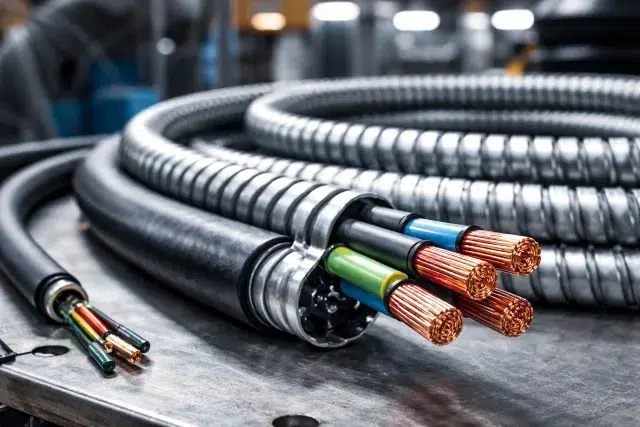
When it comes to electrical wiring, safety and durability are not optional. They are critical. Whether you are wiring a commercial building, setting up an industrial unit, or planning underground power distribution, choosing the right cable can make the difference between long term reliability and constant repairs. That is where Armored Cable 4 Core becomes essential.
Armored Cable 4 Core is specifically designed to handle heavy electrical loads while offering mechanical protection against physical damage, moisture, and environmental stress. It is widely used in industrial, commercial, and residential projects where safety standards are strict and performance must remain consistent over time.
If you are serious about electrical safety, energy efficiency, and long term savings, understanding why this cable type matters is worth your time.
What Is Armored Cable 4 Core?
Before diving deeper, let’s clarify what it actually is.
Armored Cable 4 Core is a multi core electrical cable that contains four insulated conductors inside a protective metal armor layer. The armor is usually made of steel wire or steel tape, designed to protect the internal conductors from mechanical damage, pressure, and harsh environmental conditions.
The four cores typically include:
- Three phase conductors
- One neutral conductor
This makes it ideal for three phase power supply systems, which are commonly used in industrial and commercial settings.
Why Electrical Safety Starts with the Right Cable
Electrical hazards are more common than many people realize. The National Fire Protection Association reports that electrical failures or malfunctions are among the leading causes of industrial fires.
The main risks include:
- Short circuits
- Overheating
- Mechanical damage to cables
- Moisture intrusion
- Rodent damage in underground installations
Standard cables without armor are more vulnerable to these risks. Over time, exposure to pressure, accidental impact, or harsh weather can degrade insulation and lead to dangerous failures.
Armored Cable 4 Core reduces these risks significantly because of its reinforced outer layer and durable internal insulation.
Key Components of Armored Cable 4 Core
Understanding the structure helps explain why it is so reliable.
1. Conductors
Usually made of copper or aluminum. Copper offers better conductivity, while aluminum is lighter and more cost effective for large installations.
2. Insulation Layer
Each core is individually insulated using materials such as XLPE or PVC. XLPE insulated cables are known for high thermal resistance and better load handling capacity.
3. Inner Sheath
This binds the insulated cores together and provides additional protection.
4. Steel Armor
The most important protective layer. Steel wire armor or steel tape armor shields the cable from mechanical stress and external damage.
5. Outer Sheath
A final PVC or similar covering protects against moisture, chemicals, and environmental exposure.
This layered construction is what makes Armored Cable 4 Core suitable for demanding environments.
Why Armored Cable 4 Core Is Essential for Safety
Let’s look at the practical reasons professionals choose it over standard wiring solutions.
Superior Mechanical Protection
In construction sites, factories, and underground installations, cables are exposed to physical stress. Heavy machinery, foot traffic, or even soil pressure can damage ordinary cables.
The armored layer prevents:
- Crushing damage
- Accidental cuts
- Abrasion
- Rodent attacks
This drastically reduces the risk of electrical faults caused by exposed conductors.
Enhanced Fire Resistance
High quality 4 core armored cables are often manufactured with flame retardant properties. In case of short circuits, the risk of fire spread is minimized.
According to the National Fire Protection Association, flame retardant cable materials help limit fire propagation in electrical installations.
Reliable Underground Installation
Underground electrical wiring must withstand:
- Soil pressure
- Moisture
- Temperature variations
- Chemical exposure
Armored Cable 4 Core is specifically designed for direct burial applications. The steel armor provides structural strength while the outer sheath resists moisture intrusion.
Better Load Handling for Three Phase Systems
Three phase power systems require stable and balanced power distribution. The 4 core design supports:
- Industrial motors
- HVAC systems
- Elevators
- Heavy machinery
Without proper cable strength, overheating and voltage drop can occur. Armored construction ensures consistent performance under high loads.
Durability That Saves Money Long Term
Many people focus only on the initial purchase price. But wiring is a long term investment.
Here is how it reduces long term costs:
- Lower maintenance expenses
- Fewer cable replacements
- Reduced downtime in industrial setups
- Lower fire risk and insurance costs
While Armored Cable 4 Core may cost more upfront than non armored alternatives, its lifespan and reliability justify the investment.
Common Applications
This cable type is widely used in:
- Industrial plants
- Commercial buildings
- Power distribution networks
- Underground cabling systems
- Renewable energy installations
- Residential high load circuits
In factories, for example, heavy machinery operates continuously. A single cable failure can halt production. Armored cables help prevent such costly interruptions.
Armored Cable 4 Core vs Non Armored Cable
Here is a simple comparison:
Feature | Armored Cable 4 Core | Non Armored Cable
Mechanical Protection | High | Low
Suitable for Underground | Yes | Limited
Fire Safety | Better | Moderate
Durability | Long term | Medium
Initial Cost | Higher | Lower
If safety and durability are priorities, the armored option clearly stands out.
Installation Best Practices
Even the best cable can fail if installed incorrectly.
Follow these practical tips:
- Always calculate load requirements before selecting cable size.
- Ensure proper grounding of the armored layer.
- Use certified cable glands for secure termination.
- Avoid sharp bends beyond recommended bending radius.
- Conduct insulation resistance testing before energizing.
Professional electricians follow standards set by organizations such as the International Electrotechnical Commission to ensure compliance and safety.
Frequently Asked Questions
Is Armored Cable 4 Core suitable for residential use?
Yes. It is often used in homes for underground supply lines, outdoor lighting systems, and high load appliances.
Can it be used outdoors?
Absolutely. Its outer sheath protects against UV rays, moisture, and environmental exposure.
What is the difference between 3 core and 4 core armored cable?
A 3 core cable typically includes three phase conductors. A 4 core version includes three phases plus a neutral conductor, making it suitable for balanced three phase systems.
How long does it last?
With proper installation, it can last 25 to 40 years depending on environmental conditions and load usage.
Real World Example
Consider a manufacturing unit running heavy motors 12 hours daily. Initially, non armored cables were used for underground connections. Within three years, moisture damage caused insulation breakdown, leading to repeated shutdowns.
After switching to Armored Cable 4 Core with XLPE insulation, failures dropped significantly. Maintenance costs reduced by nearly 30 percent over five years.
The difference was not just performance. It was peace of mind.
Environmental and Weather Resistance
Electrical wiring often faces extreme conditions:
- Heavy rainfall
- Heat waves
- Industrial chemicals
- Dust and debris
The armored structure and outer sheath help prevent corrosion and internal damage. This makes it ideal for both indoor and outdoor industrial wiring.
Compliance with Safety Standards
Modern building codes require safe cable management systems. Using armored cables helps meet compliance requirements in:
- Industrial safety audits
- Commercial building inspections
- Electrical certification processes
Choosing the correct cable simplifies approval processes and ensures adherence to safety regulations.
Choosing the Right Armored Cable 4 Core
Before buying, consider:
- Conductor material: Copper or aluminum
- Insulation type: XLPE preferred for high temperature environments
- Voltage rating
- Load capacity
- Installation environment
Always source from reputable manufacturers who comply with IEC or local electrical standards.
According to the principles of electrical power distribution, three phase systems are more efficient for transmitting electricity over longer distances. A 4 core armored cable supports this structure while adding a protective shield for durability.
Conclusion
Electrical safety is never an area where compromises should be made. Armored Cable 4 Core offers a powerful combination of strength, reliability, and long term durability. Its reinforced construction protects against mechanical damage, moisture, fire hazards, and heavy electrical loads.
From underground installations to industrial power systems, it plays a critical role in maintaining safe and stable power distribution. Investing in high quality armored cables is not just about meeting standards. It is about protecting property, equipment, and lives.
When planning your next electrical project, choosing Armored Cable 4 Core is a smart and responsible decision that delivers safety and durability for decades.