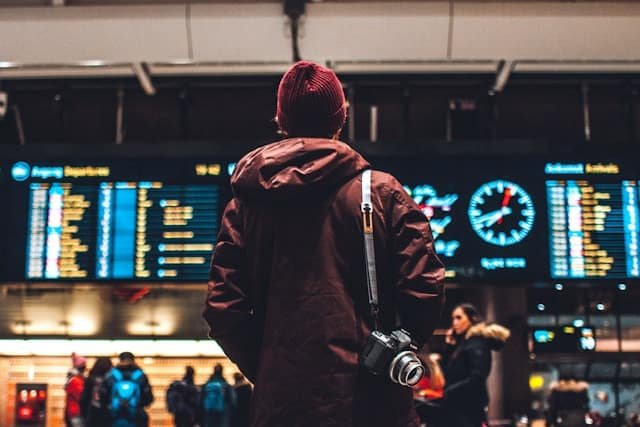
After years of travel restrictions, uncertainty, and cancellations, the United States is witnessing an unprecedented boom in travel known as the American revenge travel surge. This surge reflects a pent-up desire among U.S. tourists to explore new destinations, reconnect with loved ones, and reclaim lost vacation opportunities. The result is a significant impact on both domestic and international travel industries, reshaping how Americans plan and experience their trips.
This article explores the driving forces behind the American revenge travel surge, the trends shaping traveler behavior, and what it means for the future of travel.
What Is the American Revenge Travel Surge?
The term “revenge travel” refers to the phenomenon where people make up for lost time by traveling more frequently and spending more liberally than before. The American revenge travel surge specifically describes this pattern among U.S. travelers as COVID-19 restrictions have eased and vaccination rates have increased.
During the pandemic, many Americans postponed or canceled vacations due to health concerns and travel bans. Now, with increased confidence in safety measures and the reopening of borders, travel demand has skyrocketed.
Key Drivers of the American Revenge Travel Surge
1. Pent-Up Demand and Emotional Reconnection
One of the primary reasons behind the American revenge travel surge is the emotional need to reconnect. After long periods of isolation, Americans are eager to reunite with family and friends, celebrate milestones, and create memories.
Travel isn’t just about sightseeing anymore; it’s about reclaiming a sense of normalcy and joy that was disrupted during the pandemic.
2. Flexible Work and Remote Opportunities
The rise of remote work has transformed how Americans view travel. With the ability to work from anywhere, many are combining leisure with work, extending trips or taking “workations.”
This flexibility has fueled longer stays and increased travel frequency, contributing to the surge.
3. Increased Savings and Travel Budgets
During the pandemic, reduced spending on dining out, entertainment, and commuting led many Americans to save money. Now, they are channeling those savings into travel.
Data shows travelers are willing to spend more on accommodations, experiences, and dining, boosting the overall travel economy.
Popular Destinations Amid the American Revenge Travel Surge
Domestic Hotspots
Domestic travel has seen a remarkable increase as many Americans prefer familiar or closer-to-home destinations for safety and convenience.
- National Parks: Places like Yellowstone, Yosemite, and the Grand Canyon are experiencing record visitor numbers.
- Beach Resorts: Florida’s beaches, California’s coast, and Gulf Coast destinations remain favorites.
- Cities: Urban hubs like New York, Chicago, and New Orleans are welcoming back tourists eager for culture and nightlife.
International Getaways
As international borders reopen, Americans are also traveling abroad in greater numbers.
- Caribbean and Mexico: Warm-weather destinations remain popular for quick getaways.
- Europe: Countries like Italy, France, and Spain attract travelers interested in history, food, and art.
- Asia and Pacific: Though travel is slower to resume, interest in Japan, Thailand, and Australia is growing.
How the Travel Industry Is Responding
The American revenge travel surge has prompted airlines, hotels, and tourism boards to adapt rapidly.
Airlines
To accommodate increased demand, airlines have added flights, expanded routes, and invested in flexible booking policies. Enhanced cleaning protocols and health safety measures remain standard to reassure passengers.
Hotels and Resorts
Hotels are offering longer stay discounts, flexible cancellation policies, and enhanced amenities such as contactless check-in and outdoor experiences to attract travelers.
Tourism Marketing
Destinations are targeting travelers with campaigns that emphasize safety, unique experiences, and the emotional value of travel, tapping into the revenge travel mindset.
Challenges and Considerations
While the surge is beneficial economically, it also presents challenges:
- Overtourism: Popular destinations are seeing crowding, putting pressure on infrastructure and local communities.
- Supply Chain Issues: Increased demand strains hotel availability and airline capacities, sometimes leading to higher prices.
- Sustainability Concerns: The surge raises questions about environmental impact and the need for responsible travel practices.
Travelers and industry players are encouraged to prioritize sustainable choices to ensure long-term viability.
Tips for Travelers During the American Revenge Travel Surge
- Book Early: High demand means accommodations and flights fill quickly. Early planning can secure better rates and availability.
- Be Flexible: Consider traveling during off-peak times or exploring less crowded destinations.
- Follow Safety Guidelines: Stay informed about local COVID-19 protocols and travel advisories.
- Support Local Economies: Choose local businesses and experiences to maximize positive impact.
- Travel Responsibly: Respect natural sites and cultural norms to help preserve destinations for future travelers.
The Future Outlook of American Travel
The American revenge travel surge marks a significant shift in how people value travel and leisure. It is likely that this surge will lead to lasting changes such as increased remote work travel, more focus on wellness and experience-driven trips, and greater awareness of sustainable tourism.
As travelers continue to prioritize meaningful and safe experiences, the industry must evolve to meet these new expectations.
Conclusion
The American revenge travel surge is a powerful movement reshaping the travel landscape. Fueled by pent-up demand, increased savings, and flexible work arrangements, U.S. tourists are traveling more than ever before. This surge presents exciting opportunities for destinations and businesses but also calls for mindful and sustainable travel practices.
Whether planning a domestic adventure or an international escape, understanding the dynamics behind this surge helps travelers make informed decisions and enjoy richer, safer experiences.