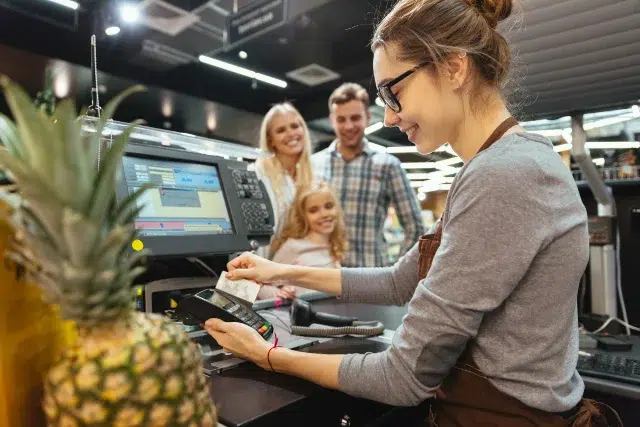
Modern customers expect quick, error-free checkouts, whether they pay in store, on delivery or through a self-service kiosk. For staff, every second saved at the counter reduces queues and frees time for better service on the shop floor.
At the same time, finance teams want cleaner data so settlements, reports and reconciliations become easier every single day. An electronic Point-of-Sale (ePoS) machine integrates advanced technology with intelligent software to streamline billing, payments and customer engagement in one unified system.
By combining these capabilities, modern ePoS machines transform how retailers operate across every dimension of their business. Below are ten practical ways the right ePoS machine can improve both transactional speed and accuracy using the features built into modern billing and payment systems.
10 ways an advanced ePoS machine streamlines checkout and reduces billing errors
As stores get busier, every second at the counter and every small data error affects queues and end-of-day reports. An advanced ePoS machine brings together invoicing, identity checks, payments and reporting in one system, so teams work faster with fewer mistakes before, during and after each transaction.
- Digital invoices make every transaction faster and easier to track
Traditional paper bills slow queues and often go missing when customers need them most for returns or warranties later. With a connected ePoS machine, staff can raise digital invoices that match your brand, then send them instantly by SMS, WhatsApp or email.
Customers receive their receipts immediately on their preferred platform, eliminating the need to carry physical papers and reducing waste. Digital invoices are automatically stored in customer records, making future warranty claims and returns effortless. This seamless experience builds loyalty while reducing friction at checkout.
- Biometric solutions cut onboarding time and reduce identity errors
In some businesses, staff must capture identity details before collecting payments or offering certain services to customers. A modern ePoS machine can work with biometric solutions that support Aadhaar-based verification, eKYC and even e-sign in real time.
Operators spend less time filling forms while identity data flows directly into digital records without manual copying. This combination helps reduce spelling errors, missing fields and duplicate entries, which improves compliance as well as customer experience.
- Effortless merchant onboarding shortens the time to first transaction
For growing brands, opening new outlets quickly is just as important as serving customers well at existing locations. An advanced ePoS machine that supports fully digital onboarding lets new stores start accepting payments within hours instead of days.
Teams can connect the system to existing bank accounts, removing extra paperwork and reducing the chances of wrong account mapping. Faster go-live and fewer setup mistakes mean new locations begin trading sooner with clean data flowing from day one.
- Wide payment options keep queues moving during busy hours
Customers today pay using cards, UPI, wallets, loyalty points, vouchers and other instruments depending on the ticket size or offer. An advanced ePoS machine that supports these choices on one screen reduces confusion at the counter during rush periods.
Cashiers avoid juggling separate devices for loyalty, affordability solutions and cards, which reduces fumbling and total handling time. Customers finish payments in their preferred way, which keeps queues moving and improves satisfaction.
- Multi-acquiring capability lifts success rates and reduces repeat attempts
Transaction failures slow counters and create uncomfortable conversations when customers must try again with the same card or phone. A capable ePoS machine that connects with many acquiring banks can route transactions smartly to healthier channels in the background.
Higher success rates mean fewer second attempts, which directly improves throughput during peak hours and lowers abandonment. Staff also spend less time troubleshooting unexplained declines, which keeps the entire checkout experience calm and predictable.
- Seamless integrations reduce rework across billing and accounting
Many stores still rekey data from the counter into billing software, inventory tools or government portals after closing hours. An integrated ePoS machine can connect with billing, ERP, accounting, inventory and government apps, so information moves automatically.
Item details, taxes and payment references reach back-end systems instantly, which lowers the risk of mismatched numbers later. As a result, teams spend more time on analysis and less time correcting small but frequent entry mistakes.
- Aggregator services speed settlements and centralise reporting
For multi-store or franchise networks, collecting data from many locations is often slow and error-prone each settlement cycle. An advanced ePoS machine that works with aggregator services can ensure daily settlements directly into merchant bank accounts.
Transaction and settlement data are centralised on a single dashboard, so finance teams see a unified view rather than scattered sheets. This clarity shortens reconciliation time, reduces manual adjustments and gives leadership more confidence in daily revenue numbers.
- Customisable solutions match workflows and cut unnecessary steps
Every business has slightly different billing flows, approval rules and reporting formats depending on sector and size. A flexible ePoS machine allows teams to customise screens, billing steps and checkout experiences instead of forcing one rigid template.
When the device mirrors real-life processes, staff take fewer detours, which decreases both handling time and accidental shortcuts. Customised integrations with government apps or catalogues further reduce duplicate work while keeping records aligned with regulatory expectations.
- Revenue growth tools use analytics to refine speed and accuracy over time
Speed and accuracy are not just operational goals; they also influence repeat purchases and word of mouth referrals. Some ePoS machine platforms include revenue growth tools that analyse campaigns, repeat behaviour and responses to targeted offers.
By studying which offers convert best through digital invoices or PoS journeys, teams can simplify flows that perform poorly. Analytics that highlight slow-moving branches or frequent reversals help leaders focus training and process improvements where they matter most.
- Trusted infrastructure keeps performance stable when volumes spike
Peak shopping days expose weak systems very quickly, especially when authorisations slow or devices freeze under high transaction loads. An advanced ePoS machine built on resilient infrastructure offers high uptime and smooth performance even when stores are crowded.
Low-latency processing with strong encryption means authorisation messages move quickly while still protecting sensitive card or UPI data. Stable infrastructure keeps counters moving, protects customer trust and reduces the burden on support teams asked to handle sudden glitches.
Choose an ePoS machine that keeps every transaction sharp
As customer expectations rise, checkout counters become a test of how well technology and frontline teams work together every day. An advanced ePoS machine can transform those few seconds at the counter by combining rich payment options, fast invoicing and clean integrations.
Providers such as Pine Labs design connected PoS ecosystems that integrate digital invoices, biometric verification, multiple acquiring rails and analytics in one place. When speed and accuracy are built into every transaction, businesses gain more than smoother queues; they gain clearer books and more loyal customers.
For more information, visit https://www.pinelabs.com/.