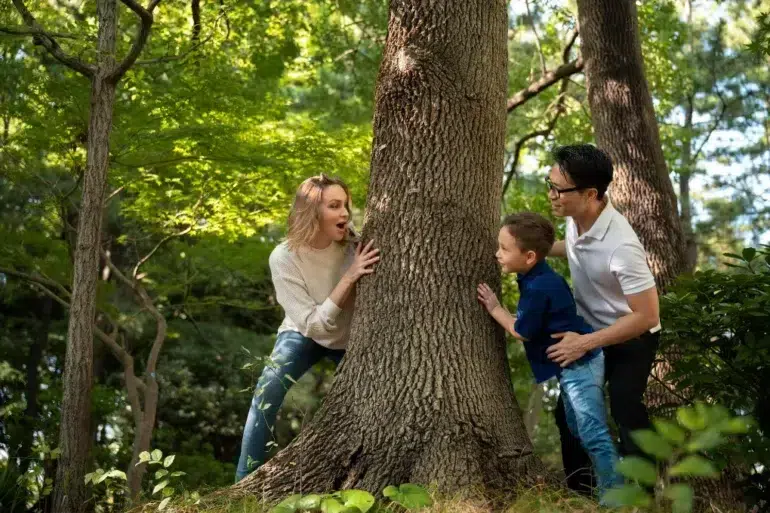
Trees are among the most quietly powerful assets a property can have. They shade homes, filter the air, support wildlife, and add a sense of permanence and beauty that few other landscape features can match. Yet for all the value they provide, trees are often taken for granted until something goes wrong. Taking a proactive approach to tree care is one of the most rewarding investments a homeowner or community can make, and the benefits extend far beyond curb appeal. From measurable environmental impact to meaningful gains in property value, the case for prioritizing tree health has never been stronger.
The Environmental Benefits of a Well-Maintained Tree Canopy
The environmental contributions of trees are both well-documented and remarkable in scale. A single mature tree can absorb hundreds of pounds of carbon dioxide annually, release oxygen, and intercept thousands of gallons of stormwater that would otherwise contribute to runoff and erosion. In urban and suburban settings, trees reduce what is known as the urban heat island effect, where paved surfaces and buildings absorb and re-emit heat at rates far higher than natural landscapes. Neighborhoods with dense, healthy tree canopies can be several degrees cooler during summer months compared to areas with sparse vegetation.
According to the U.S. Environmental Protection Agency, urban trees and green infrastructure play a measurable role in improving air quality, managing stormwater, and reducing energy consumption in residential and commercial buildings. These are not marginal benefits. They represent a genuine contribution to public health and municipal resilience, particularly as communities face the challenges of a changing climate. Maintaining healthy trees is, in this sense, not just a landscaping choice but a form of environmental stewardship.
How Trees Increase Property Value in Meaningful Ways
The financial case for investing in trees is compelling. Research has consistently found that mature, well-maintained trees add significant monetary value to residential properties. Estimates vary by region, tree species, and placement, but many studies suggest that a single large tree can add anywhere from one to ten percent to a home’s appraised value. When an entire street or neighborhood features a healthy canopy, the cumulative effect on property values across the area can be substantial.
Beyond appraised value, trees influence buyer perception in ways that are difficult to quantify but easy to observe. Homes surrounded by healthy trees tend to sell faster and attract more interest from prospective buyers. Shade trees positioned strategically around a home can also reduce cooling costs during warm months, providing ongoing financial benefits to residents long after the initial planting. These compounding returns make tree care one of the highest-value landscape investments available to homeowners.
The Importance of Professional Tree Care and Regular Maintenance
Healthy trees do not maintain themselves. Like any living system, they require attention, skilled assessment, and timely intervention to remain structurally sound and vigorous. Dead or weakened branches pose real safety risks during storms. Root systems can become compromised by soil compaction, disease, or construction activity. Pests and fungal infections, if left unaddressed, can spread through an entire canopy and ultimately kill a tree that took decades to mature.
This is where professional expertise becomes essential. Engaging a qualified local tree service means having trained arborists assess the condition of your trees, identify early signs of disease or structural weakness, and recommend appropriate treatments or pruning strategies. Certified arborists understand how different species respond to pruning, what soil amendments improve root health, and when removal is the safest and most responsible option. Relying on professional judgment rather than guesswork protects both your trees and your property.
Regular maintenance schedules also matter. Pruning at the right time of year reduces stress on trees and minimizes the risk of disease transmission through open wounds. Mulching, proper watering during drought conditions, and soil aeration all contribute to long-term tree vitality. These are not complicated interventions, but they require consistent attention and some degree of technical knowledge to execute correctly.
Trees and Community Well-Being: A Connection Worth Recognizing
The benefits of trees extend well beyond individual properties. Research in environmental psychology has documented strong links between access to green spaces and improved mental health outcomes. Neighborhoods with abundant tree cover tend to report lower levels of stress among residents, higher rates of outdoor physical activity, and stronger social cohesion. Parks and tree-lined streets encourage people to spend time outside, interact with neighbors, and develop a sense of shared investment in their community.
Children who grow up in greener environments show measurable cognitive and developmental benefits. Elderly residents in tree-rich neighborhoods report better overall well-being. Even hospital patients with views of trees from their windows have been shown to recover more quickly than those without. These findings reinforce a broader truth: the presence of healthy, mature trees is not a luxury but a genuine contributor to quality of life at both the individual and community level.
Cities and municipalities are increasingly recognizing this reality. Urban forestry programs, tree planting initiatives, and canopy coverage goals have become standard components of sustainability planning in forward-thinking communities. Homeowners who invest in their own trees are, in effect, contributing to a shared civic resource that benefits everyone in the surrounding area.
Planning for Long-Term Tree Health Starts Today
One of the most important things to understand about trees is that they operate on a long timescale. The decisions made today about planting, pruning, and care will shape the landscape for decades to come. This means that proactive planning is far more effective and cost-efficient than reactive intervention. Addressing a minor pest issue early, for example, costs a fraction of what it takes to remove and replace a mature tree that has been allowed to decline beyond recovery.
Homeowners who are new to tree care often benefit from starting with a professional assessment of their existing trees. An experienced arborist can provide a clear picture of which trees are thriving, which need attention, and which may pose risks that should be addressed promptly. From there, establishing a routine maintenance schedule is straightforward and pays dividends year after year in the form of healthier, more resilient trees.
Investing in your trees is one of the most enduring and rewarding things you can do for your property and your community. With the right care and professional guidance, the trees on your land can continue to grow, shade, and inspire for generations. The canopy you nurture today is a legacy that outlasts nearly any other home improvement you might make, and that is a genuinely powerful reason to start taking tree health seriously.