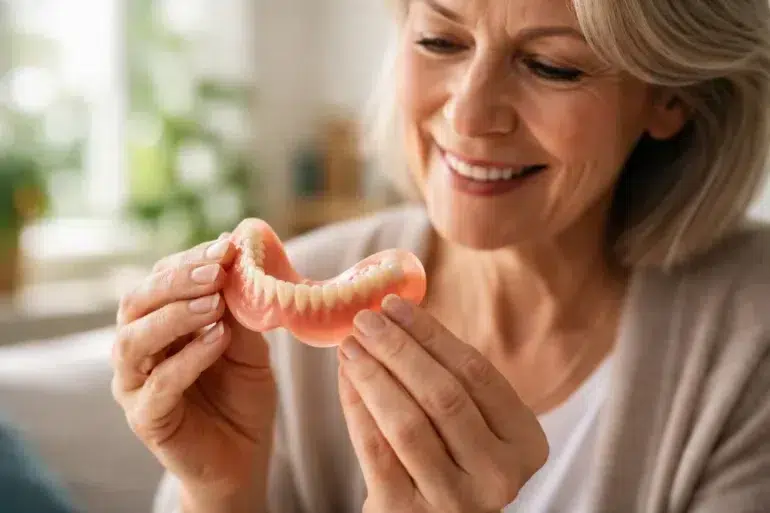
If you have a few missing teeth and you want something lighter, less visible, and usually more comfortable than a traditional partial, Flexible Dentures are probably already on your radar. They have become a popular option for people who want a removable replacement that looks more natural and feels less bulky in the mouth.
That said, Flexible Dentures are not automatically the best choice for everyone. Some people love the softer feel and better esthetics. Others run into issues with repairs, long term durability, stain control, or fit changes over time. Before you spend money on any removable appliance, it helps to understand where Flexible Dentures shine, where they fall short, and which type of patient tends to do best with them. Dentures are removable oral appliances that replace missing teeth, and mainstream dental guidance also stresses that denture fit, hygiene, and follow up care matter just as much as the denture type itself.
What Are Flexible Dentures?
Flexible Dentures are a type of removable partial denture usually made from a thermoplastic material, often nylon or polyamide, rather than the more rigid acrylic or metal used in many traditional partials. The material bends slightly, which is where the name comes from.
In practical terms, that flexibility can make the denture feel more forgiving in the mouth. It can also make clasp areas less noticeable because the retention often blends with the natural color of the gums better than a visible metal clasp. That is a big reason many patients ask about Flexible Dentures when the missing tooth area is visible during smiling or speaking. Reviews of nylon based removable partial dentures generally report favorable comfort and esthetic feedback, but they also note that the evidence base is still limited and often comes from small studies or case series rather than large, definitive trials.
Why People Consider Flexible Dentures in the First Place
Most people do not start out searching for a dental material. They start with a problem.
Maybe they are missing a few teeth and want something more affordable than implants. Maybe they tried a rigid partial and hated how it felt. Maybe they are embarrassed by a metal clasp showing when they smile. In those situations, Flexible Dentures often come up because they promise three things people care about most:
- Better comfort
- Better appearance
- A lightweight feel
Those are real advantages for the right patient. But comfort is only one part of success. A removable appliance also has to stay stable, be easy to clean, support chewing, and remain serviceable over time. Research on removable prostheses consistently shows that replacing missing teeth can improve chewing ability, satisfaction, and oral health related quality of life, but outcomes still depend on the design and fit of the appliance.
Pros of Flexible Dentures
1. They usually look more natural
One of the biggest reasons people choose Flexible Dentures is esthetics. Traditional metal clasps can sometimes show when you laugh or talk. Flexible designs often use gum colored retention, so the denture can blend in more discreetly.
For patients replacing front or side teeth in a visible part of the mouth, that can make a noticeable difference in confidence. If someone is self conscious about a shiny clasp, Flexible Dentures may feel like a much better cosmetic fit.
2. They can feel more comfortable at first
Because the base material has some give, Flexible Dentures often feel less rigid than conventional acrylic partials. Many patients describe them as lighter and less harsh on the gums, especially during the adjustment period.
That does not mean they are automatically pain free. Any new removable appliance can cause sore spots in the beginning. Still, comfort is one of the main reasons Flexible Dentures earn high patient interest and often good early feedback in the literature.
3. They are metal free
Some patients simply do not want visible metal in the mouth. Others prefer a more flexible alternative because of personal comfort, appearance, or sensitivity concerns. In those cases, Flexible Dentures offer a metal free option for partial tooth replacement.
This can be especially appealing for people who want a softer, more discreet appliance without the look of conventional framework clasps.
4. They work well for some partial tooth loss cases
Flexible Dentures are most commonly used as partials, not as a universal replacement for every missing tooth situation. When a person still has several healthy natural teeth and needs a removable option to fill gaps, a well chosen flexible partial may offer a reasonable balance between appearance and function.
5. They may help people who struggled with rigid partials
Some patients abandon removable appliances because they feel bulky or awkward. If the issue was primarily comfort or clasp visibility, Flexible Dentures may be easier to tolerate than a rigid acrylic design.
That does not guarantee success, but it is one reason dentists may discuss Flexible Dentures when a patient wants a second try with a partial.
Cons of Flexible Dentures
1. Repairs can be more difficult
This is one of the biggest tradeoffs. Flexible Dentures are not always as easy to adjust, reline, or repair as conventional acrylic dentures. If the fit changes because your gums or supporting tissues change, managing that problem may be less straightforward.
That matters more than many people realize. Dentures are not a one time purchase you forget about. Mouths change. Bone and gum contours can shift. When that happens, an appliance that is hard to modify can become frustrating and more expensive in the long run.
2. They are not ideal for every bite or every case
Flexible Dentures can be excellent for selected partial cases, but they are not a universal substitute for metal framework partials, acrylic partials, bridges, or implants. Some mouths need more rigidity and support than a flexible material can provide.
If someone has a complex bite, significant chewing demands, or a design that needs strong structural control, a dentist may lean toward a different option.
3. They can stain or hold odor if care is poor
Like other removable appliances, Flexible Dentures need daily cleaning. If they are not cleaned properly, plaque, odor, and staining can become a real issue. Some reviews also note that nylon based materials can present maintenance challenges related to surface properties over time.
The practical lesson is simple. If you want Flexible Dentures to keep looking good, your cleaning routine has to be consistent. The ADA and Mayo Clinic both advise regular cleaning, careful handling, and avoiding hot or boiling water because heat can warp dentures.
4. They may not be the best choice if you want the easiest long term servicing
A lot of patients focus only on how a denture feels on day one. A better question is how manageable it will be in year three or year five. Flexible Dentures can be a smart cosmetic choice, but if ongoing adjustments are likely, your dentist may recommend a design that is easier to modify.
5. Evidence is promising, but still limited
This point matters. Reviews published recently report positive patient experiences with nylon based partial dentures, especially for comfort and esthetics, but they also say the evidence base remains limited. In other words, Flexible Dentures are not unsupported, but they are also not backed by the same level of robust long term evidence many patients assume exists.
Flexible Dentures vs Traditional Partial Dentures
Here is the real world comparison most readers care about.
| Feature | Flexible Dentures | Traditional Acrylic Partial | Metal Framework Partial |
|---|---|---|---|
| Appearance | Usually more discreet | Can look bulkier | May show metal clasps |
| Feel | Softer and lighter for many patients | More rigid | Rigid and stable |
| Repairs/Relines | Often less convenient | Usually easier | Case dependent |
| Strength/Support | Good for selected cases | Moderate | Often strongest support |
| Best for | Esthetics and comfort focused partial cases | Budget conscious removable cases | Precision and long term structural support |
This is why the best answer is rarely one material for everyone. Flexible Dentures tend to appeal most to people who prioritize comfort and appearance. Traditional options may win when repairability, rigidity, and long term servicing are more important.
Flexible Dentures Costs: What Actually Affects the Price
The word “cost” gets a lot of clicks, but it is also where many articles oversimplify things. There is no single national price for Flexible Dentures because the total can change based on the dentist, the lab, the number of missing teeth, the complexity of the design, your location, and whether you need extra work first.
Here are the main factors that drive the cost of Flexible Dentures:
- Number of teeth being replaced
- Size and complexity of the denture
- Material quality and lab technique
- Whether extractions are needed first
- Whether impressions, adjustments, or follow up visits are included
- Whether your dentist expects future relines or remakes
- Regional dental fees and insurance coverage
In many cases, Flexible Dentures are considered a mid range removable option. They are often discussed when patients want something more cosmetic than a basic acrylic partial but are not ready for the cost and treatment timeline of implants. What matters most is getting a written estimate that lists the appliance, appointments, adjustments, and any future maintenance fees. Current evidence reviews have found very little high quality cost effectiveness research specific to flexible dentures, which is another reason exact price claims vary so widely across the internet.
Who Flexible Dentures Work Best For
This is where Flexible Dentures make the most sense.
They are usually best for patients who:
- Are missing several teeth, but not an entire arch in a complex case
- Want a removable partial that looks more natural
- Dislike the look of metal clasps
- Want a lighter, less rigid feel
- Need a non implant option for budget or medical reasons
- Can commit to regular cleaning and follow up appointments
A good candidate for Flexible Dentures is often someone with partial tooth loss who wants acceptable function with better esthetics than a basic removable partial might offer.
Who Should Think Twice Before Choosing Flexible Dentures
Flexible Dentures may be less ideal for people who:
- Need maximum rigidity and support
- Have a complicated bite relationship
- Need a design that will likely require frequent relining or repair
- Want the most serviceable long term removable option
- Expect a removable denture to behave exactly like natural teeth
If you fall into one of those groups, the “prettier” option may not be the most practical one.
What It Feels Like to Wear Flexible Dentures
The first few days with Flexible Dentures can still feel strange. Even when the material is more forgiving, your cheeks, tongue, and bite need time to adapt. You might notice more saliva at first. Speech can sound slightly off for a few days. Eating may feel awkward until you learn how the denture moves.
This part is normal. NHS guidance on dentures notes that new dentures can take time to get used to, and patients should seek professional review if dentures slip, click, hurt, or no longer fit properly.
A realistic adjustment timeline looks like this:
- First few days: awareness, mild soreness, speech changes
- First two weeks: improved comfort as muscles adapt
- After adjustments: better stability and fewer sore spots
- Long term: success depends on fit, hygiene, and regular dental follow up
How to Care for Flexible Dentures Properly
If you invest in Flexible Dentures, daily care is non negotiable.
Here are the habits that matter most:
- Clean them every day
- Rinse them after meals when possible
- Handle them over a sink or folded towel to reduce break risk
- Keep them moist when not being worn if your dentist advises it
- Never use hot or boiling water
- Do not rely on adhesive to fix a poor fit
- Schedule a dental visit if they start rubbing, slipping, or clicking
The ADA specifically notes that denture adhesives are not a remedy for ill fitting dentures and that poor fit can contribute to sores. The ADA and Mayo Clinic also recommend keeping dentures clean and avoiding heat that can distort them.
Common Problems Patients Run Into
Even when Flexible Dentures are the right choice, there can still be bumps along the way.
Common complaints include:
- Sore spots in the early phase
- Food getting trapped
- A feeling of movement while chewing
- Staining if cleaning slips
- Fit changes over time
- Difficulty with repairs or modifications
Most of these issues are manageable, but they should be part of the decision before treatment, not a surprise after payment.
How Long Flexible Dentures Last
A lot depends on the case and how well the denture is maintained. Dentures in general do not last forever. Cleveland Clinic notes that the average lifespan of dentures is about seven to ten years with proper care and maintenance, though individual results vary. That does not mean every set of Flexible Dentures will hit the same timeline, but it is a useful reminder that replacement or major adjustment is normal over time.
The better question is not “How long do Flexible Dentures last?” but “How well will they serve your specific mouth before fit, wear, or tissue changes make a remake necessary?”
Frequently Asked Questions About Flexible Dentures
Are Flexible Dentures comfortable?
Often, yes. Many patients find Flexible Dentures more comfortable than rigid acrylic partials, especially at the start. But comfort still depends on fit, bite, and proper adjustment.
Are Flexible Dentures good for front teeth?
They can be. Flexible Dentures are often chosen for visible areas because they may look more natural and avoid obvious metal clasps.
Can Flexible Dentures be repaired?
Sometimes, but not always as easily as conventional acrylic appliances. That is one of the biggest drawbacks to discuss before choosing Flexible Dentures.
Do Flexible Dentures cost more than regular partials?
They can, depending on the design and lab work involved. Instead of focusing on a generic online quote, ask for a written treatment estimate with maintenance details included.
Are Flexible Dentures better than implants?
Not necessarily. Flexible Dentures are removable, while implants are fixed and usually involve surgery, more time, and higher cost. They solve different problems for different patients.
The Bottom Line
Flexible Dentures can be an excellent option for the right person. They are especially appealing when appearance matters, metal clasps are a concern, and a lighter removable partial sounds more comfortable than a rigid one. For many patients, that combination makes Flexible Dentures genuinely worthwhile.
But they are not a magic fix. Flexible Dentures also come with real tradeoffs, especially around repairs, long term modifications, and case selection. The smartest move is to choose them for the right reasons, not just because they sound newer or softer. A dentist who evaluates your bite, remaining teeth, gum support, and long term maintenance needs can tell you whether Flexible Dentures are the right kind of removable prosthesis for your situation.
If your priorities are comfort, appearance, and a metal free partial for selected tooth loss, Flexible Dentures may be a very good fit. If your priorities are maximum rigidity, easy repair, and long term serviceability, another option may serve you better.