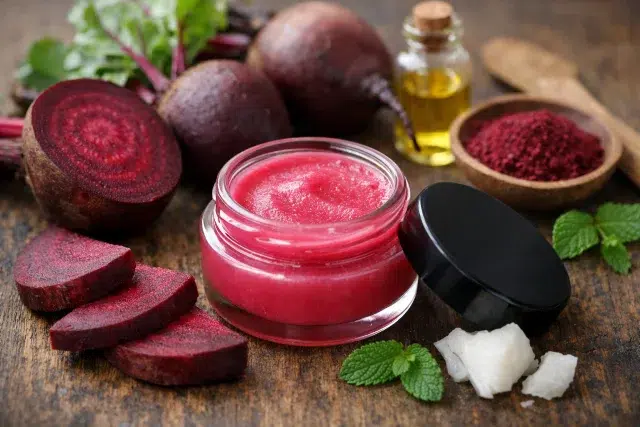
If you have ever looked in the mirror and thought, “Why do my lips look dull today?” you are not alone. Lips can go from soft and healthy to dry, flaky, and darker-looking surprisingly fast. Weather changes, sun exposure, dehydration, and even the habit of licking your lips can push them into that rough, uncomfortable zone. That is exactly why Beetroot Lip Balm has become such a popular pick for people who want hydration plus a gentle, natural-looking tint.
Unlike a typical balm that only sits on top of your lips, Beetroot Lip Balm is usually chosen for two reasons: it helps lock in moisture and it can add a subtle rosy stain that looks like “your lips but better.” The best part is that you do not need a complicated routine to get results. You just need the right formula, a few smart application habits, and realistic expectations.
In this guide, you will learn what Beetroot Lip Balm is, why it works, which ingredients matter, how to use it for naturally pink lips, and how to avoid the common mistakes that make lip products feel useless.
What Is Beetroot Lip Balm?
Beetroot Lip Balm is a moisturizing lip product made with beetroot-derived ingredients such as beetroot powder, beetroot extract, or beetroot-infused oil. Beetroot is known for its naturally deep red pigments called betalains, which can give the balm a soft tint. Betalains are also studied for antioxidant and anti-inflammatory potential, which is one reason beetroot-based products are often associated with “skin-friendly” formulations.
Think of Beetroot Lip Balm as a hybrid between a classic moisturizer and a light, everyday tint. It is not meant to replace a full-coverage lipstick. Instead, it is meant to make lips look healthier, smoother, and naturally brighter.
Why Lips Dry Out So Easily
Before talking benefits, it helps to understand why lips act “extra sensitive.” The vermilion area of the lips is structurally different from facial skin. Compared with normal skin, the lip surface has fewer protective structures, and research discussing lip physiology notes that sebaceous glands are sparse in the vermilion zone and sweat glands are absent, which limits natural lubrication.
On top of that, lips are constantly exposed to:
- Dry air and wind
- UV radiation
- Hot showers and indoor heating
- Saliva (from lip licking)
- Irritating ingredients in some lip products
Dermatology guidance also points out that habits like licking lips and environmental exposure commonly contribute to dryness and chapping.
So, when a lip balm works well, it is usually doing two jobs:
- hydrating with humectants or emollients
- protecting with occlusives that reduce water loss
Beetroot Lip Balm Benefits for Naturally Pink Lips
A good Beetroot Lip Balm can support both comfort and appearance. Here are the main benefits people notice most.
1) Softens Dry, Rough Lips
The base of most effective balms is made with occlusives and emollients that reduce moisture loss and smooth the lip surface. Petrolatum, for example, is widely used because reviews in dermatology literature describe its ability to reduce transepidermal water loss (TEWL) significantly.
If your Beetroot Lip Balm uses ingredients like shea butter, cocoa butter, petrolatum, or beeswax, you are more likely to feel that immediate “comfort layer” on the lips.
2) Adds a Natural Rosy Tint
This is the benefit most people buy it for. Beetroot contains red pigments (betalains). In lip balm form, that pigment can leave a light stain or tint that looks natural rather than makeup-heavy.
The tint strength depends on:
- how concentrated the beetroot ingredient is
- whether the balm is oil-based or water-based
- how often you apply it
- how dry your lips are (very dry lips absorb unevenly)
3) Makes Lips Look Healthier in Photos and Daily Life
A smooth lip surface reflects light better. When your lips are hydrated, they look slightly plumper and more even. That can give the impression of naturally pink lips even before tint is considered.
4) Supports a More Comfortable Lip Barrier
Medical and dermatology sources consistently emphasize gentle, protective care for chapped lips and recommend using products that soothe rather than irritate.
When Beetroot Lip Balm is fragrance-light and built on barrier-friendly ingredients, it can be a simple daily tool to keep lips stable.
5) Can Help With the “Dull Lip” Look Over Time
Lips can look darker or dull for many reasons: dehydration, sun exposure, smoking, irritation, or frequent picking. A balm will not magically “bleach” lips. But consistent hydration plus SPF during the day can reduce the cycle of dryness and irritation that often makes lips look worse. Dermatology guidance commonly highlights sun protection and avoiding irritating ingredients for healthier lips.
Ingredients That Make Beetroot Lip Balm Actually Work
A pretty label is not enough. The feel and results come from the formula. Below are the ingredients worth understanding.
Beetroot Components
Common beetroot-related ingredients you may see:
- Beetroot powder (often used for color)
- Beetroot extract (may include bioactive compounds like betalains)
- Beetroot-infused oil (color varies depending on extraction)
Reviews of betalains describe antioxidant and anti-inflammatory potential, which is part of why beetroot is popular in wellness and skincare conversations.
Occlusives (The “Lock It In” Ingredients)
These sit on top and reduce water loss:
- Petrolatum
- Beeswax
- Lanolin (can irritate some people)
- Dimethicone
Petrolatum, in particular, is described in dermatology literature as an occlusive moisturizer that can reduce TEWL significantly.
Emollients (The “Smooth It Out” Ingredients)
These soften and improve texture:
- Shea butter
- Cocoa butter
- Mango butter
- Coconut oil (can be nice, but not for everyone)
- Squalane
Humectants (The “Pull Water In” Ingredients)
These attract moisture:
- Glycerin
- Hyaluronic acid
- Honey (in some formulas)
A smart balm often combines at least one from each group.
Quick Table: What Each Ingredient Does
| Ingredient Type | Common Examples | What It Does For Lips | Best For |
|---|---|---|---|
| Beetroot pigment/support | Beetroot powder, beetroot extract | Adds natural tint, contributes antioxidant profile | Dull-looking lips, “no makeup” look |
| Occlusive barrier | Petrolatum, beeswax, dimethicone | Reduces water loss, protects from wind and dryness | Very dry, cracked lips |
| Emollient softness | Shea butter, cocoa butter | Smooths texture, reduces flaking feel | Rough, uneven lips |
| Humectant hydration | Glycerin, hyaluronic acid | Helps hold moisture inside | Dehydrated lips, indoor heating season |
How to Use Beetroot Lip Balm for Naturally Pink Lips
Using Beetroot Lip Balm is simple, but small habits make a big difference. Here is a routine that feels realistic and easy.
Step 1: Start With a Clean Base
If you have product buildup, food oils, or flaky skin, tint can look patchy. Rinse your lips with water and gently pat dry.
If lips are actively cracked and painful, skip exfoliation and focus on protection first. Medical guidance for chapped lips generally leans toward gentle care and avoiding irritation when lips are inflamed.
Step 2: Apply a Thin Layer First
A thick layer may feel cozy, but it can also:
- collect dust or hair outdoors
- smear easily
- look uneven if beet pigment is strong
A thin layer lets the tint settle more evenly.
Step 3: Let It Sit for 2 to 5 Minutes
Give the balm a moment. Beet-based tint often looks more natural after it warms up on the lips.
Step 4: Build Only If Needed
If you want more color, apply a second light layer rather than one heavy coat. This helps you avoid that “tinted patch” look.
Step 5: Use a Night Layer for Repair
Nighttime is where Beetroot Lip Balm can feel like it is doing real work. Before bed, apply a slightly thicker layer (still not messy). Occlusive ingredients are especially helpful overnight because they reduce water loss while you sleep.
Best Times to Apply Beetroot Lip Balm
A simple schedule that works for most people:
- Morning: after brushing teeth, before leaving home
- Midday: after lunch (especially if you wash your face or drink lots of hot drinks)
- Evening: after washing face
- Night: a final layer before bed
If you live in a dry climate or sit in air-conditioning all day, you may reapply more often, but aim for comfort rather than constant layering.
Common Mistakes That Ruin Results
1) Licking Your Lips Right After Applying
Dermatologists warn that lip licking can worsen dryness.
If you lick right after applying Beetroot Lip Balm, you remove product and increase irritation.
2) Using a Balm With Irritating Additives
Some ingredients feel “tingly,” but that sensation often comes from irritants. Dermatology-oriented advice for chapped lips commonly recommends avoiding irritating components when lips are dry or inflamed.
Watch out for formulas heavy in:
- strong fragrance
- menthol or camphor
- harsh essential oils
3) Expecting It to Work Like a Lipstick
Beetroot Lip Balm is usually a subtle tint product. If you want bold color, you may need a lipstick or tint underneath. The balm is for natural pink lips, comfort, and daily wear.
4) Skipping Sun Protection
Sun exposure can contribute to dryness and irritation. Dermatology sources frequently emphasize protecting lips from sun damage as part of preventing chapping.
If your balm does not include SPF, consider using an SPF lip product during the day and Beetroot Lip Balm for tint and moisture when you are indoors or in low sun exposure moments.
Choosing the Best Beetroot Lip Balm: A Simple Checklist
When you are reading labels, look for a formula that matches your goal.
If you want maximum hydration:
- petrolatum or beeswax in the base
- shea butter or cocoa butter for softness
- fragrance-light or fragrance-free
Petrolatum has strong evidence as an occlusive moisturizer in dermatology literature, including reductions in TEWL.
If you want a better tint:
- beetroot powder or beetroot extract higher in the ingredient list
- fewer white waxes (sometimes they mute pigment)
- buildable texture, not overly greasy
If you have sensitive lips:
- minimal fragrance
- avoid “tingly” additives
- patch test first
Does Beetroot Lip Balm Actually Make Lips Pink Permanently?
This is a common question, so let’s keep it honest.
Beetroot Lip Balm can make lips look naturally pink in two ways:
- immediate tint from beet pigments
- improved texture and hydration, which enhances natural lip color appearance
But a balm does not permanently change your lip color. If your lips are dark because of chronic sun exposure, irritation, or lifestyle factors, you will see the best improvement by combining:
- consistent moisturizing
- avoiding irritants
- daily lip SPF
- reducing habits like lip picking and smoking (if applicable)
Medical sources on chapped lips repeatedly point back to gentle care, hydration, and protection as the foundation.
Real-World Scenario: How Results Typically Look
Here is what many people notice when they use Beetroot Lip Balm consistently.
Days 1 to 3
- lips feel more comfortable
- less tightness
- a light tint that looks best right after applying
Week 1
- less flaking
- tint applies more evenly because texture improves
- lips look smoother in photos
Weeks 2 to 4
- lips stay stable longer between applications
- “dull lip days” happen less often
- natural pink tone looks more consistent because the surface is healthier
The key is that the “pink” effect is a combination of tint plus healthier-looking lips, not a permanent stain.
FAQ: Beetroot Lip Balm Questions People Ask Most
Is Beetroot Lip Balm safe for daily use?
For most people, yes, especially when the formula is mild and designed for lips. If you have allergies or very sensitive skin, patch test first and stop if irritation occurs.
Can Beetroot Lip Balm help with very dry, cracked lips?
It can help, but the base matters. Occlusive ingredients like petrolatum are strongly supported in dermatology literature for reducing water loss.
If cracks are severe or not improving, medical sources recommend checking for underlying causes or seeking professional guidance.
Why does Beetroot Lip Balm sometimes look patchy?
Patchiness usually comes from uneven dryness or peeling. Hydrate first, avoid harsh scrubbing on inflamed lips, and apply thin layers.
Does Beetroot Lip Balm work on dark lips?
It can improve appearance by adding a rosy tint and smoothing texture. The visible effect depends on your natural lip pigment and how much tint is in the balm.
How many times a day should I apply Beetroot Lip Balm?
Apply as needed for comfort and even tint. Many people find morning, mid-day, evening, and night is enough. If you are in cold wind or dry indoor air, you may reapply more often.
Conclusion: A Simple Daily Product That Makes a Visible Difference
A well-made Beetroot Lip Balm is one of those small upgrades that feels surprisingly satisfying. It moisturizes, protects, and adds that soft rosy tint that makes lips look naturally pink without trying too hard. When the formula includes a strong protective base, you also get real barrier support, which is especially important because the lip surface has fewer natural protective structures than normal skin.
If you want the most from Beetroot Lip Balm, keep it simple: apply thin layers, use it consistently, avoid irritating additives, and protect your lips from sun and harsh weather. Dermatology guidance emphasizes gentle care, avoiding lip licking, and choosing soothing products when lips are dry and chapped.
In the last couple of weeks of consistent use, many people realize it is not just about color. It is about comfort, texture, and that healthy look that comes from a stable lip routine. And if you have ever wondered why beets can tint so beautifully, it comes down to their vivid natural pigments.