Look, I know what you’re thinking. Another smart home gadget that’ll break in six months and leave you standing outside your house like an idiot. But hear me out – smart door technology has gotten seriously good lately.
I’ve been testing smart locks for the past few months and honestly? The tech has come a long way from those clunky first-gen models that ate batteries for breakfast. Even traditional door suppliers are getting in on the action – I was talking to the team at Sydney Door Provider AMS recently and they’re seeing huge demand for smart lock compatible doors. Makes sense when you think about it. No point having a $500 smart lock on a door that’s falling apart.
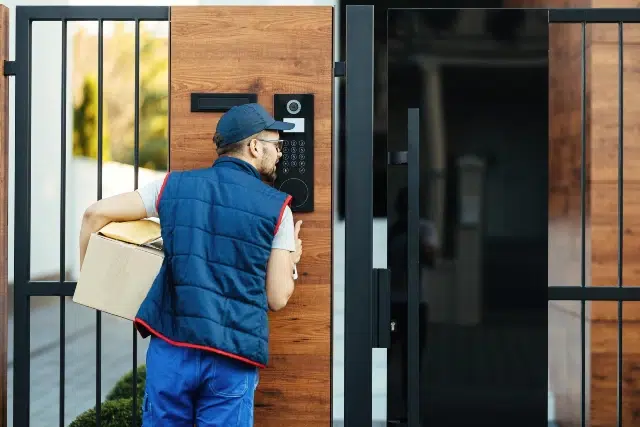
The real game changer isn’t just the locks though. Its the whole ecosystem. Your door talks to your security system, which talks to your lights, which talks to your phone. Last week my doorbell camera spotted a package delivery, unlocked the door remotely so the driver could leave it inside, then locked up and sent me a notification. All while I was stuck in a meeting 20 miles away.
What Actually Works (And What’s Just Marketing Fluff)
After burning through way too much money on smart home stuff, here’s what I’ve learned matters:
Battery life is everything. If you’re climbing on a chair every month to swap batteries, you bought the wrong lock. The good ones last 6-12 months minimum. Some even have solar panels now which… actually works pretty well if your door gets decent sun.
Integration is key. Don’t buy something that only works with its own app. You want stuff that plays nice with Google Home, Alexa, Apple HomeKit – whatever ecosystem you’re already using. Nothing worse than juggling 15 different apps just to control your house.
Physical keys still matter. Yeah I know, defeats the purpose right? But when the tech fails (and it will), you need a backup. The best smart locks still have regular key slots hidden somewhere. Saved my bacon more than once.
The Security Thing
Everyone asks about hacking. Can someone break into your smart lock? Technically yes. But they can also pick your regular lock in about 30 seconds with a couple bent paperclips. At least with smart locks you get notifications when someone’s messing with your door.
The bigger security win is actually the convenience features. Auto-lock means you never forget to lock up. Temporary codes mean no more hiding keys under fake rocks. Activity logs show you exactly who came and went. Try getting that from a regular deadbolt.
Installation Reality Check
Here’s where it gets tricky. Not every door works with every smart lock. Thickness matters. Deadbolt placement matters. If your door is ancient or weird, you might need to replace the whole thing.
I learned this the hard way trying to install a smart lock on my 1960s front door. Three hours of swearing later, I gave up and called a professional. Sometimes its worth paying someone who knows what they’re doing.
What’s Coming Next
The stuff in development is wild. Facial recognition that actually works. Locks that know you’re approaching and unlock before you even reach the door. Integration with delivery services so packages can be left inside automatically.
Some companies are working on doors that can detect break-in attempts and reinforce themselves. Others are building health monitoring into door frames – imagine your door checking your temperature during flu season.
Is It Worth It?
For most people? Yeah probably. The convenience alone makes it worthwhile. Never carrying keys, letting people in remotely, knowing exactly when your kids get home – that stuff adds up.
Just don’t go crazy. Start with one good smart lock on your main door. See how it goes. If you like it, expand from there. And maybe wait on the door that checks your temperature. That still seems a bit much.
The tech is only getting better and cheaper. In five years, smart locks will probably be standard on new homes. May as well get ahead of the curve now while you can still impress your neighbors.