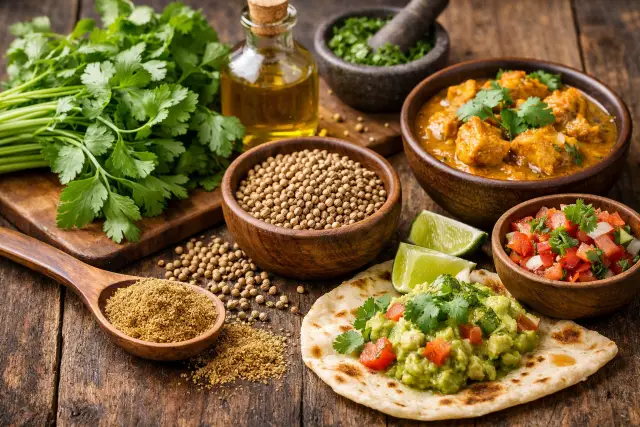
If you have ever sprinkled fresh green leaves over curry, blended a chutney, or added warm, citrusy seeds to a spice mix, you already know Koriandri in action. In many households, Koriandri is more than a flavor booster. It is a daily habit, a pantry staple, and sometimes even a simple home remedy passed down through generations. The interesting part is that Koriandri is not just one thing. It shows up as fresh leaves, dried seeds, ground powder, infused water, and even essential oil, each with its own taste, aroma, and purpose.
In this article, we will unpack what Koriandri is, how people use it in real life, what benefits are backed by research, and practical ideas you can actually apply in the kitchen and beyond. Along the way, you will also see common questions answered in a clear, human way.
What Is Koriandri?
Koriandri is a commonly used name for coriander, botanically known as Coriandrum sativum. In everyday language, people often use different names depending on region and whether they mean the leaves or the seeds. In the United States, “cilantro” usually refers to the fresh leaves, while “coriander” often means the dried seeds. In many other parts of the world, “coriander” can mean both.
That name difference matters, because the flavor difference is big:
- Leaves (cilantro): fresh, bright, slightly peppery, sometimes citrusy
- Seeds (coriander seeds): warm, nutty, gently sweet, with a lemony note
So when people say Koriandri, they may be talking about the herb, the spice, or both.
Why Koriandri Is So Popular in Real Life
Koriandri is popular because it solves a lot of everyday cooking problems in a simple way:
- It adds freshness without needing fancy ingredients.
- It balances rich foods, especially fried or creamy dishes.
- It pairs well with global flavors: South Asian, Middle Eastern, Latin, Mediterranean, and Southeast Asian cuisines.
- It works in small amounts, so it is cost-effective.
And beyond taste, coriander has long been discussed for its traditional wellness uses. Modern research is still growing, but it already highlights a range of bioactive compounds in coriander, including essential oils and various plant nutrients.
Koriandri Forms and How People Actually Use Them
Different forms of Koriandri serve different purposes. If you have ever wondered why your dish tastes “flat” even after adding coriander powder, this is usually why: you used the right ingredient in the wrong form, or at the wrong time.
Quick Table: Koriandri Forms, Flavor, and Best Uses
| Koriandri form | What it tastes like | Best real world uses | Simple tip |
|---|---|---|---|
| Fresh leaves | bright and herbal | garnish, chutneys, salads, sauces | add at the end to keep aroma |
| Stems (yes, stems) | stronger than leaves | soups, curries, stir-fries | chop fine and cook early |
| Whole seeds | warm and citrusy | spice blends, pickles, tempering | toast lightly for deeper flavor |
| Ground powder | mellow and earthy | marinades, curries, rubs | buy small amounts to keep it fresh |
| Roasted powder | nutty and bold | street-food style chaat, savory snacks | roast seeds, then grind |
| Essential oil (food-grade only) | intense and concentrated | industrial flavoring, research, limited culinary use | use only when properly labeled food-grade |
Research articles on coriander often emphasize that plant part and preparation method influence the chemical profile, which is a scientific way of saying: seeds, leaves, and oil do not behave the same.
Real World Culinary Uses of Koriandri
1) Everyday Cooking: The “Balance Ingredient”
Koriandri is excellent at balancing strong flavors. It can soften bitterness, brighten heaviness, and make a dish taste more “finished.”
Practical examples:
- Add chopped Koriandri leaves to lentils right before serving.
- Mix coriander powder into yogurt marinades for chicken or paneer.
- Toast coriander seeds, crush them, and add to roasted vegetables.
2) Chutneys, Dips, and Sauces People Make Weekly
One of the most common real world uses is blending Koriandri into sauces. A basic green chutney can become a multi-purpose spread for sandwiches, wraps, and grilled foods.
A simple, flexible chutney base:
- Koriandri leaves
- green chili
- lemon juice
- salt
- a little yogurt or water
The reason it works is simple: coriander’s aroma lifts everything around it.
3) Spice Mixes That Save Time
If you cook often, you know the pain of measuring 8 spices daily. Koriandri helps you build quick blends.
Try these quick ideas:
- Roasted coriander and cumin: a common base for savory dishes
- Coriander and black pepper: great on grilled foods
- Coriander and fennel: helpful for lighter, aromatic curries
4) Baking and Sweet Dishes (Underrated Use)
Coriander seeds are used in certain breads and traditional sweets because they give a gentle citrus warmth.
Real world examples:
- spiced cookies (small pinch of ground coriander)
- warm milk tea blends
- baked breads with coriander seeds
It is subtle, but once you notice it, you understand why chefs keep it around.
Benefits of Koriandri: What Research Supports
Let’s be careful and honest here. Koriandri is not magic. It is a food ingredient, and most benefits come from regular dietary patterns, not one-time use. Still, research does highlight some meaningful properties.
1) Nutritional Value: Small Herb, Real Nutrients
For nutrient data, the most reliable place is the USDA’s FoodData Central system. It is managed by the USDA Agricultural Research Service and hosted by the National Agricultural Library.
In practical terms:
- Fresh herbs can contribute vitamins and phytonutrients, especially when used regularly.
- Seeds are nutrient-dense, but typically used in small amounts, so their impact depends on frequency and portion size.
2) Antioxidant Potential
Multiple scientific reviews and food science studies discuss coriander’s antioxidant components and how they vary across extracts and essential oils.
What this means in real life:
- Using herbs and spices like coriander can add antioxidant compounds to meals.
- It is one reason spice-heavy cuisines are often studied for dietary benefits.
3) Antimicrobial Activity (Mostly Lab-Based)
Studies have evaluated coriander essential oil for antimicrobial and antibiofilm activity in lab settings.
A realistic takeaway:
- This does not mean you should treat coriander as medicine.
- It does suggest why coriander has a long history in food preservation traditions, like pickles and spice-rich cooking.
4) Digestive Comfort in Traditional Use
Coriander is frequently included in traditional food routines aimed at digestive comfort. Scientific literature reviews also summarize its ethnopharmacological uses across cultures.
A practical way people use this:
- adding coriander seeds to spice mixes in heavy meals
- using coriander in soups and light broths
- drinking infused water as a home habit (more on that below)
Practical Ideas You Can Use Today
This is where Koriandri becomes more than a definition. These are realistic, low-effort ways people build it into routines.
Koriandri Water: A Simple Routine People Swear By
Many people soak coriander seeds overnight and drink the water in the morning. Some do it for digestion, some for hydration habits, and some simply because it feels light.
If you try it, keep expectations grounded:
- Think of it as a mild, herbal infused water.
- Benefits are likely modest and habit-based, not instant.
Meal Prep Shortcut: “Koriandri Ice Cubes”
If fresh Koriandri spoils quickly in your fridge, one practical hack is freezing it.
- Chop leaves
- blend with a little water
- freeze in ice trays
Then drop a cube into curries, soups, or sauces. It is not as fragrant as fresh garnish, but it saves waste and time.
Flavor Upgrade: Toasted Koriandri Seed Sprinkle
Toast whole coriander seeds for 30 to 60 seconds, crush them lightly, and sprinkle:
- over roasted potatoes
- on grilled chicken
- into hummus
- on scrambled eggs
The aroma is the point. Toasting changes the flavor dramatically because it releases essential oils. Food science literature on coriander often notes that volatile compounds are key contributors to aroma and sensory quality.
A Simple “Fix” When Food Tastes Flat
When a dish tastes flat, people usually add more salt. Sometimes what you actually need is aroma.
Try this sequence:
- squeeze lemon
- add chopped Koriandri leaves
- add a pinch of roasted ground coriander
It wakes food up without turning it salty.
Koriandri in Home and Lifestyle Uses
Koriandri is not only for cooking. People also use it in:
- Gardening: growing coriander is popular because it is fast, useful, and fragrant
- Natural home habits: coriander is used in infused water routines and aromatic kitchen practices
- Cultural traditions: coriander is present in festive foods, family recipes, and regional spice blends
Even if you ignore wellness trends, Koriandri still makes sense as a lifestyle ingredient because it connects taste, routine, and culture in a simple way.
Common Questions About Koriandri
Is Koriandri the same as cilantro?
Often, yes. In many regions, cilantro refers to the fresh leaves of coriander, while coriander refers to the seeds. But in other places, coriander can mean the whole plant.
What does Koriandri taste like?
It depends on the form:
- Leaves taste fresh and bright.
- Seeds taste warm, slightly sweet, and citrusy.
How do I keep fresh Koriandri from wilting?
Real-life methods that work for many people:
- wrap in a paper towel and store in a container
- keep stems in a glass of water like flowers
- freeze chopped Koriandri for cooking use
Is Koriandri good for health?
Coriander has documented nutrients and bioactive compounds, and research explores antioxidant and antimicrobial properties, especially in extracts and essential oils.
But it is best viewed as a helpful food ingredient, not a cure.
Can everyone consume Koriandri safely?
Most people can enjoy it as a normal food. If you have allergies to plants in the Apiaceae family or you are under medical dietary restrictions, it is smart to treat any herb or spice with extra caution. (This is general safety common sense, not medical advice.)
Conclusion
Koriandri earns its place in kitchens because it is practical. It upgrades flavor without fuss, works across cuisines, and comes in multiple forms that fit real daily cooking. On the benefits side, research and reviews discuss coriander’s nutrients and bioactive compounds, including antioxidant potential and lab-studied antimicrobial effects. The most realistic approach is to treat Koriandri as a smart, versatile ingredient that supports better meals and better food habits.
If you want to understand Koriandri even deeper from a botanical and cultural perspective, the coriander plant background is a useful reference.