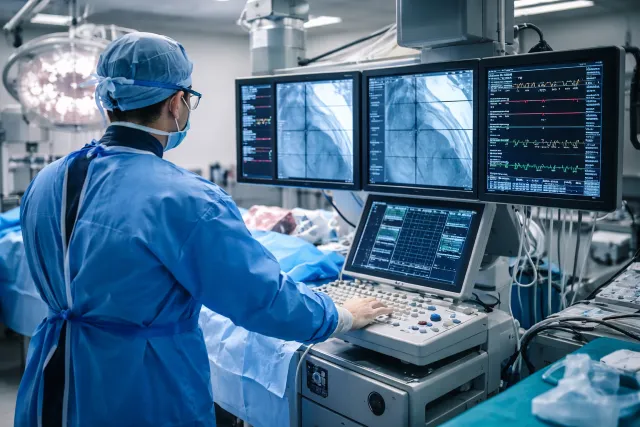
If you are curious about what a cath lab tech really does behind the scenes, you are not alone. Many people hear “cardiac cath lab” and imagine only the cardiologist doing the procedure, but the truth is the lab runs on a coordinated team. A cath lab tech is often the person who helps prepare the room, supports sterile workflow, monitors key data, handles equipment, and keeps the procedure moving safely from start to finish.
In hospitals and heart centers, cath labs are busy because cardiac testing and minimally invasive procedures are common. In the US, the Bureau of Labor Statistics lists cardiovascular technologists and technicians with a median annual wage of $67,260 (May 2024) and projects 3% growth from 2024 to 2034, with about 3,800 openings per year on average. Those numbers reflect steady demand for trained professionals who can work under pressure and still stay detail focused.
This guide breaks down the everyday reality of the cath lab tech role, the skills you need to succeed, and the certifications that can strengthen your credibility.
What is a cath lab tech?
A cath lab tech (often called a cardiac catheterization lab technologist or cardiovascular invasive specialist in some settings) is a specialized healthcare professional who supports physicians during invasive diagnostic and therapeutic procedures involving the heart and blood vessels. Typical procedures include angiography, angioplasty, and stent placement.
Depending on the facility, the “cath lab tech” title may cover different backgrounds:
- Cardiovascular technologists trained specifically for invasive cardiology work
- Radiologic technologists who specialize in cardiac interventional imaging
- Nurses and other allied staff working in invasive cardiology teams (varies by country and hospital policy)
The consistent theme is this: cath lab techs are the technical and clinical support backbone of the room.
Where cath lab techs work and what the environment feels like
Most cath lab tech work in hospitals or specialized heart and vascular centers. The environment is:
- Procedure driven and time sensitive
- Highly sterile, similar to an operating room
- Equipment heavy, with imaging systems, monitors, pumps, and crash carts
- Team based, usually including a cardiologist, nurses, techs, and sometimes anesthesia support
The pace can shift fast. One moment you are doing a scheduled diagnostic case. The next moment you are supporting an urgent intervention.
Daily responsibilities of a cath lab tech
Daily work varies by facility, but cath lab tech responsibilities usually fall into three phases: before the procedure, during the case, and after the case.
Before the procedure: prep, safety, and readiness
This phase is where good techs quietly prevent chaos later.
Common responsibilities include:
- Preparing the procedure room and ensuring supplies are stocked
- Setting up sterile trays and maintaining sterile technique
- Checking equipment readiness, including imaging and monitoring systems
- Verifying that critical items are available, such as contrast, catheters, guidewires, balloons, and stents (based on case type)
- Supporting patient prep steps as assigned by the team
Many cath lab job descriptions emphasize sterile field preparation and readiness for procedures such as angioplasty and stent placement.
The room setup checklist (real world simple version)
A practical pre case checklist many labs use conceptually looks like this:
- Imaging system on and tested
- Hemodynamic monitoring ready
- Pressure lines flushed and zeroed (if assigned)
- Emergency equipment present and accessible
- Sterile supplies staged logically
- Contrast and injector prepared per protocol
- Lead protection and shields positioned
Small details here matter because once the procedure starts, every interruption costs time and increases stress.
During the procedure: assisting, monitoring, and staying calm
During cases, cath lab techs may scrub in (hands on in sterile field) or circulate (supporting outside the sterile field). The exact split depends on how the team is staffed and your credentialing.
Common responsibilities include:
- Assisting the physician with procedural steps, handing tools, and anticipating needs
- Monitoring hemodynamic data such as pressures and waveforms (role varies)
- Supporting imaging workflow and documentation (role varies)
- Maintaining sterile technique and protecting the field
- Tracking supplies and ensuring correct items are used
- Responding quickly if complications occur
Multiple cath lab role summaries describe techs assisting physicians during invasive cardiovascular procedures and supporting monitoring and workflow.
Procedures a cath lab tech may commonly support
Depending on lab type and your scope:
- Diagnostic coronary angiography
- Percutaneous coronary intervention (PCI) such as balloon angioplasty and stent placement
- Peripheral vascular interventions (in some labs)
- Pacemaker or device related procedures (depending on facility setup)
- Structural heart procedures (in advanced labs)
After the procedure: cleanup, turnover, and patient handoff support
After the case, the lab needs a fast, safe turnover so the next patient is not delayed.
Common post case responsibilities include:
- Breaking down the sterile field safely
- Cleaning and restocking the room per infection control policy
- Ensuring specimens, labels, and documentation are handled correctly (if applicable)
- Supporting patient transfer or handoff processes as assigned
- Checking equipment for issues and reporting problems early
Good labs have smooth turnovers, and good cath lab techs make that happen.
Core skills every cath lab tech needs
A cath lab tech is a mix of technical operator, patient safety advocate, and calm teammate. You can train the hard skills, but the best techs also build the soft skills that keep patients safe.
1) Sterile technique and infection control instincts
Sterile technique is not optional. In invasive procedures, maintaining sterility is a major safety factor. Cath lab roles commonly emphasize maintaining a sterile environment and handling sterile supplies correctly.
What this looks like in practice:
- Knowing what is sterile and what is not without hesitation
- Correct gowning and gloving
- Protecting the sterile field during equipment movement
- Speaking up immediately if sterility is broken
2) Hemodynamics and monitoring awareness
Some cath lab techs monitor hemodynamic waveforms and pressures, depending on role and local regulations. Tech role summaries often mention hemodynamic monitoring as a key duty.
Even if you are not the primary monitor tech, you should understand:
- Basic pressure waveforms
- What normal vs abnormal trends might look like
- Why a sudden change matters
- When to alert the physician or nurse immediately
3) Imaging and equipment confidence
Cath labs are technology dense. A strong cath lab tech is comfortable around:
- Fluoroscopy imaging systems
- Injector systems for contrast delivery
- Monitors and recording systems
- Basic troubleshooting without panic
If your background is radiologic technology, you may also pursue a cardiac interventional imaging credential, which is specifically designed to recognize qualified professionals in this area.
4) Radiation safety: protecting patients and staff
Radiation exposure is a real occupational concern in cath labs. Professional organizations emphasize improving radiation protection practices for teams and patients.
A practical safety approach centers on ALARA principles: reduce exposure time, increase distance, and use shielding.
What this means in daily cath lab behavior:
- Using shields correctly and consistently
- Wearing and placing dosimeters properly
- Maximizing distance when possible
- Communicating as a team to reduce unnecessary fluoro time
- Following facility policy and competency requirements around fluoroscopy use
5) Contrast safety and patient monitoring awareness
Contrast media is used in many cath lab procedures. Even if the nurse handles most assessment tasks, a sharp cath lab tech stays alert for:
- Signs of allergic reaction
- Changes in patient condition
- Equipment alarms and monitoring shifts
Your job is not to diagnose, but to notice early and communicate fast.
6) Communication and teamwork under pressure
Cath lab work is teamwork. The lab has to feel like a coordinated unit, especially in urgent cases. AHA ACLS training highlights high performance teams as a major focus, which fits the cath lab reality closely.
In practical terms:
- Use short, clear communication
- Repeat back critical instructions
- Stay calm and speak with purpose
- Know when to escalate concerns quickly
7) Manual dexterity and steady hands
Scrubbing in requires fine motor control and steady habits:
- Passing tools safely
- Handling wires and catheters without contamination
- Staying organized on the sterile table
It is not about speed alone. It is about safe, consistent technique.
Certifications that can strengthen a cath lab tech career
Certifications vary by country, employer, and the pathway you entered through. In many US settings, two major certification tracks often show up in job postings and career pathways.
RCIS certification (CCI)
The Registered Cardiovascular Invasive Specialist (RCIS) credential is designed for professionals working in cardiac catheterization. It is administered by Cardiovascular Credentialing International (CCI).
Why employers like RCIS:
- It signals formal knowledge of invasive cardiology procedures
- It supports professional credibility for cath lab roles
- It can support advancement and specialization in cath lab settings
There are also scope and professional standards documents discussing RCIS practice expectations and continuing education requirements.
ARRT Cardiac Interventional Radiography (CI)
For radiologic technologists who move into cath lab imaging heavy roles, ARRT offers a credential in Cardiac Interventional Radiography, recognizing qualified individuals in that specialty. ARRT describes it as a postprimary pathway, meaning you typically need an existing ARRT credential in an approved supporting discipline before pursuing it.
If your cath lab role is heavily tied to imaging workflow, this can be a strong credential match.
Other common certifications you will see in cath lab environments
These may be required or preferred depending on facility policy:
- BLS (Basic Life Support), often required in hospitals
- ACLS (Advanced Cardiovascular Life Support), commonly expected in critical care environments; AHA describes ACLS as building on BLS and focusing on high performance teams
- Any local radiation safety or fluoroscopy competency requirements, especially in accredited facilities
Education pathways: how cath lab techs usually enter the field
There is no single universal path, and the “right” route depends on your region and your prior education. Common entry paths include:
- Cardiovascular technology programs that include invasive cardiology training
- Radiologic technology programs, then specialization into interventional or cath lab work
- Nursing pathways (in some facilities, nurses fill invasive roles alongside techs)
Community colleges and specialized programs sometimes offer certificates that specifically prepare imaging professionals for cardiac and vascular interventional clinical requirements tied to credentialing.
A day in the life of a cath lab tech
It helps to picture an average shift. Not every day looks like this, but the rhythm is realistic.
Morning: setup, schedule review, first cases
- Check the day’s schedule and case types
- Prep the room, verify supplies, confirm equipment checks
- Participate in pre procedure huddles
Midday: procedures, turnovers, add on cases
- Support diagnostic cases and interventions
- Manage quick turnovers, restock, reset the room
- Handle urgent add ons, which are common in cardiology settings
Afternoon: documentation support, restocking, readiness for emergencies
- Finish remaining scheduled cases
- Deep restock and report equipment issues
- Stay prepared for emergency cases until shift end
On call reality
Many cath lab teams rotate call for STEMI or urgent cardiac cases. Even experienced techs will tell you: call is manageable when the team is tight and the process is clean.
Salary and job outlook for cath lab related roles
Because job titles vary, many labor sources group cath lab related work under “cardiovascular technologists and technicians.” In the US, BLS reports:
- Median pay: $67,260 per year (May 2024)
- Projected growth: 3% from 2024 to 2034
- About 3,800 openings per year on average
O*NET, drawing from BLS wage data, shows the same national average and provides a wider wage distribution view.
Important note: pay varies heavily based on country, hospital type, specialty (EP, structural heart, peripheral), overtime, and call.
From a career outlook perspective, broader cardiovascular technologist and technician roles show steady demand and a solid median wage in the US, which helps explain why many people pursue cath lab specialization. In the end, the best cath lab techs are the ones who combine technical skill with steady teamwork and patient safety awareness during every cardiac catheterization case.
What makes a great cath lab tech (the difference makers)
If you ask experienced cath lab staff what separates a solid tech from a great one, you will hear the same themes.
Anticipation, not reaction
Great techs learn patterns. They know what the cardiologist will ask for next because they understand the procedure flow.
Calm energy
Cath lab work can escalate quickly. Calm techs reduce errors.
Respect for safety, even when it is busy
Radiation safety, sterile technique, and patient safety do not get skipped when the day gets hectic. Professional groups have emphasized building a stronger culture of radiation safety in cath labs, which reinforces why this mindset matters.
Clear communication
Clear communication is not just polite, it prevents mistakes.
Common questions about the cath lab tech role
Is a cath lab tech the same as a radiology tech?
Sometimes they overlap, sometimes they do not. Some cath lab techs come from radiology backgrounds and may pursue imaging credentials like ARRT Cardiac Interventional Radiography. Others come from cardiovascular technology programs focused on invasive cardiology.
Is RCIS worth it?
RCIS is specifically designed for professionals working in cardiac catheterization, and it is widely recognized in cath lab circles. If your work is invasive cardiology focused, it is one of the most relevant credentials.
Do cath lab techs need to know radiation safety?
Yes. Cath labs use fluoroscopy, and radiation safety standards and guidance are a real part of modern practice expectations.
Is the job stressful?
It can be, especially with urgent cases and call. But many people enjoy it because it is hands on, technical, team based, and directly tied to life saving procedures.
Conclusion
A cath lab tech is not a background role. It is a skilled clinical and technical position that supports invasive heart and vascular procedures through sterile practice, equipment management, monitoring awareness, and strong teamwork. Job descriptions consistently emphasize assisting physicians during invasive procedures and maintaining a safe, sterile environment, which is exactly what patients rely on in high stakes moments.
If you are considering this career, focus your learning around the real daily requirements: sterile technique, hemodynamic basics, imaging comfort, radiation safety habits, and strong communication. Certifications like RCIS (CCI) and ARRT Cardiac Interventional Radiography can also help you stand out depending on your pathway and lab role.