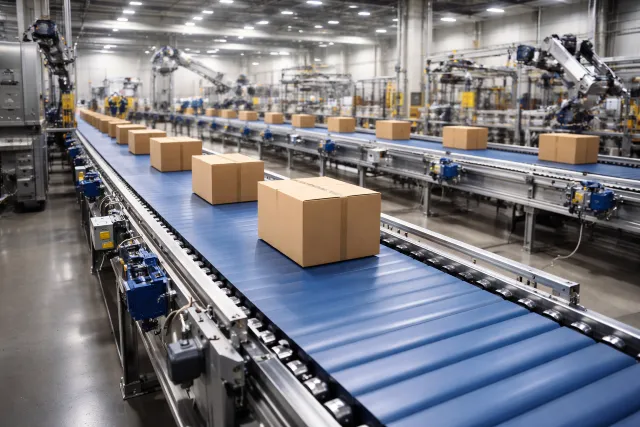
If you run a production line, you already know the truth: conveyors don’t get attention until they stop. And when they stop, everything stops. That’s why investing in conveyor belt solutions that are built for your process — not just “good enough” belts — is one of the simplest ways to protect uptime. A strong example is Wire Belt Company, known for manufacturing metal conveyor belting and complete conveyor systems that are durable, reliable, and used across a wide range of industrial applications.
Downtime is expensive in a way that’s hard to appreciate until you’ve lived it. Industry research frequently cites hundreds of thousands of dollars per hour for unplanned downtime in manufacturing, with costs varying by sector and scale. Even “minor” conveyor issues — tracking, tension, broken links, contamination shutdowns — can quietly chew through margins over a quarter.
That’s why belt selection matters so much — and why certain metal options (especially open-area designs) are popular for heat, washdown, and airflow-heavy processes. A wire mesh conveyor setup, for example, can be a practical fit where drainage, quick drying, and temperature transfer are part of the job.
What “high-quality” conveyor belt solutions really mean
A high-quality conveyor system isn’t just a belt with a brand name. It’s the right combination of:
- Belt style + material (stainless, carbon steel, plastics, specialty coatings)
- Conveyor frame design (sanitary, heavy-duty, modular, easy access)
- Drive and tracking components (sprockets, pulleys, wear strips, guides)
- Application engineering (load, speed, product transfer, environment)
- Maintenance strategy (cleaning, inspection, spares, predictable replacement)
When those pieces match, your line runs smoother, safer, and longer. When they don’t, you end up “tuning” the conveyor every week and calling it normal.
Why metal conveyor belting is often the reliability play
Metal conveyor belts are popular in operations that punish conventional belts — think heat, sharp edges, heavy loads, aggressive cleaning, or constant cycling. They’re often chosen for:
- High-temperature processes (baking, frying, heat treating, drying)
- Washdown and sanitation environments
- Abrasive or sharp product handling
- Long service life under continuous use
Wire Belt Company highlights decades of experience manufacturing stainless steel metal conveyor belts and conveyors, serving industries ranging from food and beverage to automotive and pharmaceuticals.
Common metal belt styles you’ll see on real lines
- Flat wire belts (general conveying, cooling, light-to-medium duty)
- Balanced weave (strength + temperature handling)
- Chain edge belts (extra stability for wider belts / heavier loads)
- Honeycomb belts (high strength-to-weight, airflow)
- Specialty designs for transfers, small parts, or indexing
The “best” style is the one that fits your product, temperature, cleanliness needs, and transfer points.
Conveyor belt solution selection checklist (practical, not theoretical)
If you’re specifying a new belt or fixing recurring issues, start here:
1) Map your operating conditions
- Temperature range (including spikes)
- Oils, chemicals, moisture, corrosion risk
- Cleaning approach (washdown pressure, detergents, sanitizers)
- Product characteristics (sharp edges, crumbs, sticky residues)
2) Document the mechanics
- Belt width and length
- Speed, start/stop frequency
- Inclines/declines, curves, transfers
- Product drop heights and transfer gaps
3) Identify the real failure mode
Most recurring conveyor pain shows up as one of these:
- Tracking drift → edge wear, stoppages
- Belt stretch/slip → inconsistent flow
- Contamination buildup → sanitation shutdowns
- Broken belt components → unplanned maintenance
- Poor transfers → product damage, jams
Then you match the fix to the failure — rather than swapping belts and hoping.
A quick comparison table: belt types and where they shine
| Belt Type | Strengths | Typical Use Cases | Watch-outs |
|---|---|---|---|
| Metal belts | Heat resistance, durability, cleanability, long life | Baking, frying, cooling, drying, heavy duty | Higher upfront cost; needs correct sprockets/tension |
| Modular plastic | Easy repair, good for washdown, flexible layouts | Packaging, beverage, general food handling | Temp limits; may wear in abrasive conditions |
| Fabric/rubber | Good grip, quiet operation, low cost | Bulk transport, inclines, general warehousing | Heat/chemical limits; can trap residues |
| Timing/indexing belts | Precise positioning | Automation, robotics, inspection lines | Needs accurate alignment and controls |
The safety and compliance angle (often overlooked until an audit)
Conveyor reliability isn’t only about uptime — it’s also about keeping people safe and staying compliant.
OSHA requirements include expectations around safe operation and maintenance practices such as lockout/tagout during repairs when operation is hazardous, and referencing applicable safety codes for conveyors.
In food and hygiene-sensitive industries, sanitary design principles emphasize equipment that can be adequately cleaned and sanitized, with materials and surfaces suited to repeated exposure and cleaning cycles.
You’ll also see hygiene requirements referenced in standards like NSF/ANSI/3-A SSI hygiene requirements for belt conveyors used in meat and poultry processing.
Translation: the “right” conveyor belt solution is often the one that makes cleaning, inspection, and safe access easier — not harder.
Where Wire Belt Company fits into high-performance conveyor systems
When people talk about “trusted manufacturers” in the metal belting space, they’re usually pointing at three things:
- Longevity and track record
Wire Belt describes a long history of manufacturing metal belts and conveyors and positions itself as a trusted metal belting manufacturer. - Breadth of industrial applications
Their stated served industries include food and beverage, pharmaceutical, electronics, automotive, and more — useful if you need a partner that understands different environments and requirements. - Engineering-driven fit
Metal belts aren’t “one size fits all.” Suppliers with application experience are better at recommending the right weave, edge design, sprocket setup, and conveyor configuration — so the belt performs well beyond the first month.
If your operation is dealing with heat, sanitation, airflow, or abrasion, this is exactly where purpose-built metal belting and conveyor design can pay off.
Maintenance tips that actually reduce conveyor downtime
You don’t need a massive overhaul to get better reliability. Most facilities see a big payoff from boring, consistent routines.
Weekly quick checks (10–20 minutes)
- Listen for new squeaks/knocks (often early wear signals)
- Check belt tracking and tension
- Inspect sprockets/pulleys for uneven wear
- Look for debris buildup at transfers and return paths
Monthly deeper checks
- Inspect belt splice/fasteners (if applicable)
- Confirm alignment at key idlers and guides
- Review motor/gearbox vibration and temperature
- Verify guards and emergency stop function
Spare parts that prevent “waiting on shipping”
- A spare belt section or spare belt (depending on design)
- Sprockets/pulleys most likely to wear
- Bearings for critical pulleys/idlers
- Wear strips/guides used in your line
Remember: even well-known studies and surveys regularly place the cost of downtime in the six figures per hour for many manufacturers — so preventing one incident can justify a lot of maintenance discipline.
Common questions buyers ask (and how to answer them)
“Should I replace the belt or redesign the conveyor?”
If the same issue keeps returning (tracking drift, transfer jams, contamination points), it’s often a system design mismatch. Replacing the belt may help temporarily, but redesigning guides, transfers, or sanitation access often fixes the root cause.
“How do I know if metal belting is worth it?”
If you’re fighting:
- heat damage
- frequent washdowns
- tearing/cutting from sharp products
- airflow/drying bottlenecks
…metal belting tends to earn its keep through longer service life and fewer line stops.
“What causes most conveyor belt failures?”
Usually one of these:
- Misalignment and poor tracking control
- Wrong belt material for temperature/chemicals
- Bad transfers (gaps, drop heights, impact points)
- Inconsistent cleaning leading to buildup and shutdowns
- Running worn sprockets/pulleys too long
FAQs
What are conveyor belt solutions?
Conveyor belt solutions are the combination of belt type, conveyor design, components, and maintenance practices used to move products reliably through a process.
How do I choose the right conveyor belt?
Start with environment (heat, chemicals, sanitation), product characteristics (weight, sharpness), and conveyor mechanics (speed, transfers). Then pick belt material and design that matches those demands.
Why do manufacturers choose metal conveyor belts?
Metal belts handle high temperatures, aggressive cleaning, and abrasive products well — and often last longer when properly specified and maintained.
Conclusion: reliable lines start with better conveyor belt solutions
At the end of the day, conveyor belt solutions are about protecting flow — product flow, labor flow, and schedule flow. When you choose the right belt design, match it to the environment, and pair it with a conveyor system built for maintenance and safety, you reduce the small failures that turn into big shutdowns.
And if your operation needs durability under heat, washdown, or heavy-duty demands, manufacturers like Wire Belt Company — with a long-standing focus on metal conveyor belting and conveyor systems — are a solid example of the kind of supplier that can help you spec for real-world reliability, not just the catalog.