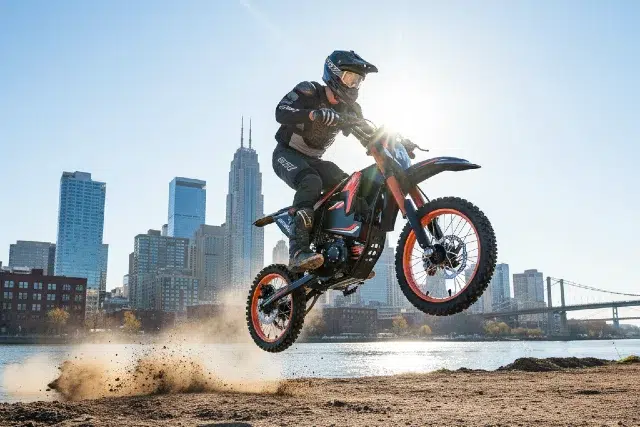
For many, this quietness is a revolutionary benefit, eliminating noise pollution and creating a more immersive outdoor experience. Yet, this very characteristic is now being questioned as a potential safety concern in environments shared with hikers, cyclists, and horseback riders.
The core of the debate lies in a fundamental shift. The familiar auditory warning of a traditional engine — often taken for granted — is absent. This silence forces a re-examination of long-standing assumptions about safety, responsibility, and etiquette on multi-use paths. Is the lack of sound an inherent danger that needs to be technologically addressed, or does it simply place a greater emphasis on rider behavior and universal trail courtesy? This article explores both sides of this critical discussion, analyzing the arguments, evaluating potential solutions, and considering the path toward safe and sustainable coexistence for all trail users.
The Case for Concern: “Yes, They Are Too Quiet.”

Proponents of this view argue that silence removes a critical safety layer in dynamic trail environments.
1. The Loss of the “Auditory Warning System”
For decades, the sound of an approaching gasoline-powered motorcycle or dirt bike served as an effective, if noisy, early warning system. Its rumble allowed others to hear it from around blind corners or behind dense foliage, giving them time to move predictably to the side. An electric dirt bike eliminates this buffer. A hiker wearing headphones, a family with chatting children, or a horse and rider may have virtually zero time to react before a fast-moving bike is upon them, increasing the risk of collisions, especially on narrow, winding trails.
2. The Mismatch of Speed and Stealth
Electric dirt bikes are not slow. Many can match or exceed the speed of their gasoline counterparts, especially in acceleration. This creates a dangerous perception gap: a vehicle moving at 20-30 mph that is as quiet as a bicycle creates a cognitive disconnect for other trail users. They may not gauge its speed or proximity accurately, leading to last-second, panicked movements.
3. A Specific Threat to Vulnerable Users
The risk is amplified for certain groups. Visually impaired hikers relying on auditory cues for navigation and safety find their environment unexpectedly altered. Horses are prey animals deeply sensitive to sudden, silent movement; a spooked horse can injure its rider, the rider of the bike, and itself. For these users, the silent approach is not a minor inconvenience but a significant safety hazard.
The Counter-Argument: “Quiet Is Not the Problem — Behavior Is.”
The opposing side contends that blaming the machine’s quietness misses the real point: responsible riding is what ensures safety.
1. Sound Is a Crutch, Not a Solution
A loud motorcycle ridden recklessly at high speed past a child is far more dangerous than a silent one ridden slowly and with caution. The core issue is speed control and situational awareness, not decibel level. Relying on noise as a safety mechanism can encourage poor riding habits, allowing riders to assume “they heard me coming” as an excuse for passing too closely or too fast.
2. Noise Pollution Is Its Own Kind of Danger
The roar of gasoline engines degrades the natural soundscape, disturbing wildlife and diminishing the peaceful experience sought by many trail users. The quietness of electric bikes is a feature that reduces conflict with the environment and non-motorized users on a fundamental level. Framing this as a drawback ignores the long-standing complaint about off-road vehicle noise.
3. The Responsibility Lies with the Rider
Quiet operation demands proactive and predictable communication. This can be achieved through simple, low-tech means: a friendly verbal alert (“Passing on your left!”), a traditional bicycle bell, or a polite rev of the motor (if adjustable). The obligation shifts from passive noise-making to active, human-to-human courtesy.
Finding Common Ground: Solutions for Safe Coexistence
The debate doesn’t need a winner. It needs practical pathways to safer shared use.
1. Technological Aids (The “How”)
- Active Sound Devices: Some manufacturers are developing optional, low-volume warning tones that activate at low speeds — similar to systems on electric cars — which can be turned off on closed courses or remote trails.
- Universal Bell: Mandating and using a simple, mountable bike bell is an effective, low-cost solution that provides a clear, familiar alert.
2. The Unwritten Rules of the Trail (The “Who”)
- Speed is Everything: Always slow to a near-walking pace when approaching or passing any other trail user. Your speed should be determined by sightlines, not by your bike’s capability.
- Announce Your Presence: Make clear, friendly verbal contact well in advance. A simple “Hello back there!” or “Two bikes coming through!” works wonders.
- Yield the Right of Way: The general hierarchy places motorized users yielding to all non-motorized users (hikers, bikers, horses). Uphill travelers typically have the right of way. When in doubt, stop and let others pass comfortably.
3. Trail Management & Education (The “Where”)
- Clear Signage and Zoning: Land managers can help by designating trails specifically for motorized use, mixed-use, or non-motorized use only. Clear signs setting expectations for all users are crucial.
- Promote “Share the Trail” Campaigns: Education is key for everyone. Riders of electric dirt bikes must become ambassadors, demonstrating that their quiet machines can be integrated respectfully.
Conclusion
The question is not whether electric dirt bikes are too quiet, but how we adapt our shared trail culture to a new, quieter reality. The burden of safety rests most heavily on the rider of the faster, more powerful vehicle.
Electric dirt biking offers a incredible opportunity: the chance to enjoy motorized trail access with minimal environmental and social disruption. Seizing this opportunity requires elevating our standards of trail etiquette, communication, and patience. Silence should not be feared as a hazard, but embraced as a mandate to be better, more considerate stewards of the trails we love to ride. The future of shared outdoor spaces depends not on the volume of our engines, but on the volume of our respect for one another. If you’re looking to purchase your first electric dirt bike, consider Qronge. Their entry-level models balance approachable power, rugged reliability, and intuitive controls — making them the ideal choice to start your off-road adventure with confidence.