Naturally, everyone wants to say the same thing when they enter a house in need of pest intervention: “Let’s get rid of these bugs!” But little do they know, there is a big difference between killing bugs and managing them. One works! The other solves nothing!
What Pest Control Really Is
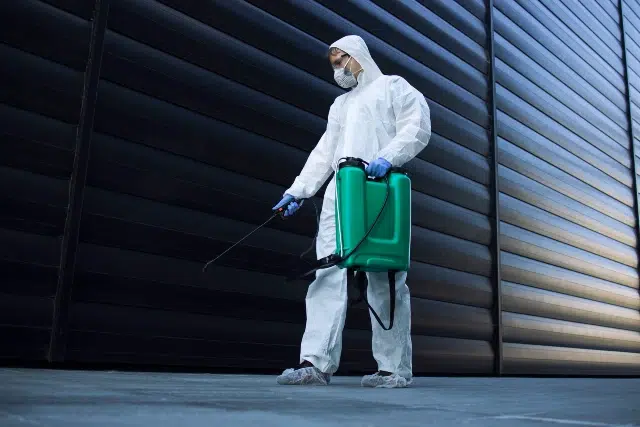
Pest control is as simple as a man coming into your home, spraying pesticide and leaving. It immediately kills any bugs on premises. For the time being, everything is great! No more ants on the countertop, no more spiders in the corners. Crisis averted.
Except not. Because without changing conditions, there is nothing to stop those existing bugs from leaving – and others from moving in. That door has a gap. The basement is still moist. The landscaping still provides cover for anything trying to sneak inside. Pest control effectively treats the symptoms while ignoring the disease.
It’s like bailing a leaky boat. Yes, the water is not sinking you right now, but unless somebody plugs the hole, you’re going to be back bailing before long.
What is Pest Management
Pest Management (more often called Integrated Pest Management or IPM) does something differently. It asks, “Why are there bugs?” “What do they like about this area?” “How did they get in?” “What conditions exist to make this area hospitable for insect living?”
And the answer lies in a multitude of possibilities. There’s a hole in the foundation where mice are getting in. The gutters are causing moisture for roaches. Landscaping or outdoor lighting is located poorly for moths and other flying insects to enter through the front door.
The pest management approach will treat those conditions too. It will still kill any existing bugs – but it will also seal holes, remove food and water sources, and modify conditions which allow for pest inception. The point isn’t just to kill bugs; it’s to make this place inhospitable to insects before they even get their feet inside.
Why the Difference Matters
And how does this have practical application? Two things: effectiveness and cost over time. If a homeowner thinks pest management involves killing bugs and doing nothing else – thus bringing them back every few weeks for another treatment – they’ll spend more money with pest control than with an IPM approach.
Sure, an initial IPM approach may cost more because more is involved than just spraying, but once you get to the source of the problem, maintenance is easier. Fewer bugs are getting in so less treatments are needed. Properties that have regular issues should reach out to meridian pest control experts who know how to do true integrated management without ongoing treatment.
The difference emerges even further in treatment approaches for specific bugs. Rodents can get in through holes the size of a quarter. Simply treating it chemically will not stop them if holes are never sealed up; same with ants. Killing the ants on site will not get rid of the colony nor reduce whatever it is attracting them.
What Pest Management Actually Is
Pest management starts with thorough inspection – but not just visible inspections for visible pests. A thorough investigative effort ensures any supportive conditions are addressed; questionable moisture issues, points of entry – even how landscaping or drainage could impact a property.
Then various strategies are used. Physical control includes sealing holes and applying door sweeps or screens to vents/interior/exterior openings. Cultural control changes practices: where food is stored; how garbage is managed (or whether it’s gotten rid of entirely). Environmental change includes making sure there are no leaks or humidity issues – providing ventilation and properly orienting exterior lighting.
Still, some chemical treatments may need to occur – but they’re strategic (applying certain products at certain times and in certain places) rather than blanket coverage throughout the whole home randomly. Where bugs travel and live needs treatment for a better chance of success versus unaware coverage for nuisance purposes.
The Monitoring Component
An aspect that most pest control services do not provide is continuous monitoring. Pest management includes regular check-ups should new issues arise (they’re often caught before full-blown infestations occur), and these aren’t necessarily treatment visits – but more like a wellness visit to catch things while they are still small.
This monitoring also assesses whether anything that has been put into place has worked – if bugs are still getting in – that opening needs sealing. If no treatment has worked – other adjustments can be made. It’s part of a fluid system that works better over time rather than repeating steps which did not work previously.
Breaking Down Myths
Many people think it’s just marketing news – pest management vs pest control is just a catchy title since none of them really can manage pests at all but must hold their hands in this granola way and avoid chemicals at all costs.
Neither is true.
Pest management can absolutely address heavy infestations; sometimes heavier infestations are better suited for pest management because it throws everything it has at it from different angles instead of just trying to kill them with chemicals. It can, however, use pesticides – maybe even less than previously because it doesn’t have to waste time over and over again trying to kill what hasn’t lived yet or what access they have to some food but not all.
Natural pest control is another story; this does not refer to pest management but instead the application of plant-based or more organic substances.
Pest management focuses on resolving the underlying problem – whether that’s natural products, synthetic chemicals, or most likely – a combination based on what works best.
I Want Immediate Results!
The hardest thing for people to grapple with regarding pest management over pest control is patience. Pest control will give them immediate satisfaction – bugs die quickly, and whatever was going on seems solved.
Pest management may take longer because it’s getting down to the nitty gritty instead of covering over things. But once it gets to the nitty gritty, its results can stick substantially better.
Homes that abide by pest management plans see substantially less pest pressure as time goes on; what may start as monthly treatments can become quarterly treatments which can then become once every other month treatments as time goes on because it seems the least appealing option for whatever reason.
And then the costs accumulate exponentially; not worrying whether pests will show up ever again contributes substantially too. It’s nice not stressing if another ant incursion occurs or wondering if that mouse problem really gone this time.
Choosing What’s Right for Your Home
Not every situation warrants using pest management over pest control; if someone gets a wasp nest that needs removal, then straightforward clearing makes perfect sense – but for repeat problems or preventative maintenance – pest management shines and solves where constant repeated efforts would make little sense.
The key is understanding what’s being offered – and what results can be expected because a service that involves spraying every few weeks with no other treatment is pest control. A service that involves inspection, exclusion work, environmental modifications, and targeted treatments – is pest management.
Both have their place – but knowing there’s a difference helps homeowners make the right choice for their specific situation.
Ultimately, it’s not whether something should be done about pests; it’s whether something should continually be done about them…or should it be solved?