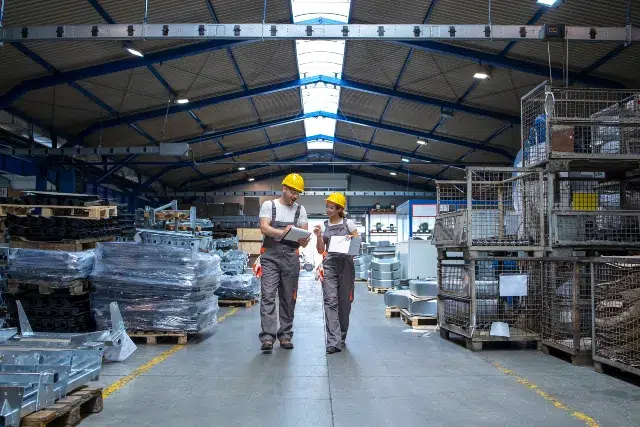
Professional warehouse facilities have long been an option, but over the last ten years or so, a transition toward them has gradually emerged. Back rooms, garages, and spare spaces that got small and medium-sized enterprises by for so long are now becoming either supplemental or unnecessary as the option of professional facilities proves to be an intelligent solution. It’s not just about the simple accessibility and space; professional warehouses are solving problems that businesses didn’t even know they had up until now.
It’s Not Just for Large Enterprises
Transitioning from outdated ways into more practical solutions applies to enterprises of all sizes. For example, with professional warehouse space helping small and medium-sized businesses, professionals have determined that their operating efficiency in such spaces transcends profit margins and customer satisfaction over time.
Easier Inventory Control Can Be Achieved
Professional facilities exist to hold inventory for businesses and have proper racking systems and organized areas, meaning that professional warehouse facilities can make inventory control much easier. Pre-labeled areas, designated spaces, and simple accessibility mean that tracking stock is much easier when there’s a space for everything, and everything is in its space.
This translates into business gains because stock counts are easy when employees know where everything is. It also means that enterprises can find specific items quickly instead of never being able to find them in random situations (and therefore missing reordering opportunities) or taking hours to find where their stock went. For those operating within hundreds, if not thousands, of SKUs (Stock Keeping Units), this is essential to sustained growth.
The actual space helps make these situations more possible, as well. With enough space to facilitate proper inventory practices, it’s easier to apply a more professional standard for inventory systems when they’re no longer crammed into a back room.
Location Will Affect Delivery Times
Location is everything, as businesses soon learn, but when they have their own warehouses or make their own spaces, they assume they can more easily get by without worrying about where they are. However, professional warehouses are strategically located – by docks, along freight routes, or in urban centers – areas in which they’re designed to be used by multiple travelers at a time.
When businesses utilize warehouse rental in these accessible areas, it means that delivery times improve. It means that suppliers can get to you with ease. It means that customer orders can go through faster. And it means that every second counts when you’re pushing volume.
Improved locations also grant better access through delivery. Couriers and freight companies have better access to reputable companies in needed areas than those who hide away on back roads and inaccessible drives. This translates into better options for businesses, and at times, better rates as well.
Professional Equipment Becomes Available
One of the most significant advantages professionals can offer is access to equipment – they have it all: a forklift, pallet jacks, loading docks, ramps; equipment companies wouldn’t necessarily need to own becomes part of the package for daily operations.
It’s not just easier access; it’s the potential for greater operational success where best practices become realities. Vertical storage increases through pallet racking; loading trucks with a dedicated area avoids daily labor losses. Employees won’t take advantage of specialized equipment but instead help foster a working atmosphere where heavy items move without injury. Productivity increases immediately as the convenience helps accomplish far more than anticipated.
Growing businesses don’t need to invest in equipment – especially if it’s too expensive – as they’re sure they’ll gain more business quickly. Instead, by relying upon established providers for their equipment needs – even if it’s on a temporary basis – the access comes via cutting costs elsewhere.
Security Is Built In
Professional warehouses are outfitted with security systems that small- and medium-sized enterprises would never be able to afford independently. Cameras, key card access systems, security booths at the front – these systems protect their inventory 24/7.
There’s peace of mind knowing you’re not going to get broken into; instead, insurance premiums reflect professionals’ great security efforts; when inventory is deemed extremely valuable, keeping it out of harm’s way is simply good business practice.
Security also incorporates fire prevention and detection systems. Certified professionals have access to the right suppression and extinguishing equipment as well as major safety inspections – a luxury that may not always be available when you substitute your own needs for subpar alternatives.
Climate Control Makes For Fewer Product Issues
Many enterprises fail to realize how beneficial climate control can be until they see it in action. Electronics, fabric items (clothing), food products (food storage), cosmetics (sensitive to temperature) and pharmaceuticals all rely on items being stockpiled in proper environments.
Professional warehouse facilities can accommodate climate control year-round; otherwise, temperature fluctuations have adverse effects in the summertime and humidity problems arise during the winter months. Keeping products up to saleable standards means no permanent losses or customer complaints.
For those businesses situated on reputation management efforts, such a constant helps – customers are more likely to keep and use products when they receive them in pristine conditions which translates into less returns and better utilization.
Space Can Expand or Contract
Professional warehouse facilities boast an opportunity seldom afforded through ownership or makeshift management – the chance to expand or contract as deemed necessary; if a company grows too quickly and needs too much space, chances are there will always be some left open; if things slow down for the season, arrangements can generally be made.
This avoids a significant growth deterrent out of the process; enterprises don’t need to worry about starting too big before they’re ready; they also don’t need to feel overwhelmed by size if they’re worried about overstretching themselves. Enterprises can grow into space as their needs dictate.
Furthermore, testing new product lines or purchasing opportunities has never been easier when minor infrastructure expenses were made; now growth can be done more nimbly until it makes sense for the company’s final goal.
Perception Is Everything
Sometimes it’s about perception; business owners want others – customers/suppliers/partners – to come see organized professional practices. Perception breeds trust that businesses can handle orders correctly and effectively maintain quality standards.
For B2B operations, this determines purchasing decisions at higher volumes – and who wants to source from someone that looks like it’s hiding from the world? The same goes for employee morale; teams work better outside an already cluttered environment; staff feel better with access and rightly so.
Cost Calculations Often Reap Benefits
When enterprise owners tally up their actual costs of inadequate inventory solutions versus professional facilities – and compare them – sometimes they’re surprised. Of course, rents can become higher over time – but decreased damage output, improved efficiency savings, better stock tracking all mean that such differences are negligible over time.
Also consider the opportunity cost. Money spent awkwardly reconciling thousands of products or missed operations based on poor access is better spent elsewhere working with customers or growing.
When many enterprises run bottom line projections on professional warehouse space after utilizing them – professional will express how they wish they transitioned faster – they’d find an opportunity almost automatically to take on more customers faster with bigger orders they could fulfill with ease instead of making other operate adjustments.
Why Wait?
It’s clear once business owners transition from the old millennia into the present with professional warehouse facilities they appreciate the upgraded power; it’s not just more space but more usable space and a level of professionalism they’ve come to appreciate as operational efficiency that’s both scalable and actionable.
Many professionals fail to recognize how many operational improvements they’ll capitalize upon once established but for those transitioning into legitimate facilities today boast time moving forward in which sustainability only gets better once implemented.