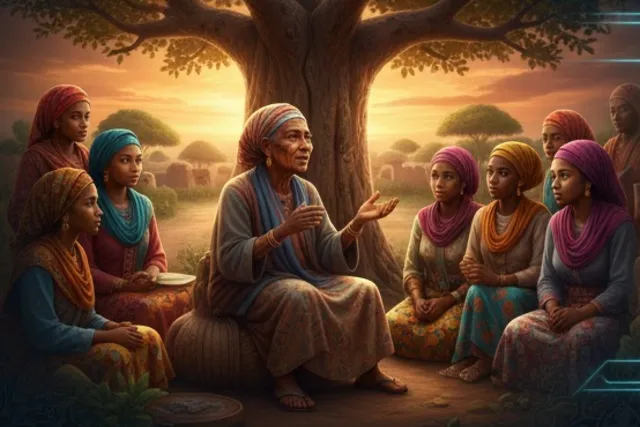
The Wayyo Gindina Hausa Novel is one of the most emotionally charged and culturally rich narratives in modern Hausa literature. It combines the themes of love, betrayal, family, and moral responsibility in a way that mirrors real Hausa society. The title, Wayyo Gindina, which roughly translates to “Oh My Pillow” or “Oh My Secret Comforter”, reflects the deep emotional burdens and confessions of its protagonist.
This article explores the meaning, main characters, story summary, and moral lessons from the Wayyo Gindina Hausa Novel. Whether you’re a student of African literature, a Hausa fiction enthusiast, or a reader seeking moral insight, this analysis will deepen your understanding of the story’s cultural and ethical significance.
What is the Wayyo Gindina Hausa Novel About?
Meaning and Context
The expression “Wayyo Gindina” in Hausa literally means “Oh, my pillow”, but in literature, it symbolizes a person’s private place of reflection and emotional release. In this novel, the pillow serves as a metaphor for inner pain, suppressed secrets, and the unspoken words of a woman enduring societal and emotional challenges.
The Wayyo Gindina Hausa Novel delves into:
- The struggles of women in traditional societies.
- The conflict between personal desires and social expectations.
- The moral and emotional consequences of deception, love, and loyalty.
It is a masterpiece of Hausa romance literature, blending entertainment with moral instruction — a hallmark of Hausa popular fiction (Littattafan Soyayya).
Main Characters in Wayyo Gindina Hausa Novel
Understanding the characters is key to grasping the novel’s message. Each character reflects a social or moral archetype within Hausa culture.
| Character Name | Role in Story | Personality Traits & Symbolism |
|---|---|---|
| Gindina (Protagonist) | Central figure; narrator of emotional struggles. | Emotional, introspective, loyal, and morally conflicted. Symbolizes Hausa womanhood and resilience. |
| Nasir | Love interest / husband figure. | Charismatic yet flawed; represents the duality of love and betrayal. |
| Hauwa | Friend and confidante. | Wise, empathetic, but struggles with her own moral limits. |
| Uwar Gida (The Elder Wife) | Authority and tradition symbol. | Upholds social order but lacks compassion for emotional suffering. |
| Malam Sani | Spiritual advisor. | Represents the voice of morality and religious conscience. |
These characters are not just fictional personalities — they embody real social conflicts in Hausa communities, making the novel a mirror of collective experience.
Plot Summary of Wayyo Gindina Hausa Novel
The story opens with Gindina, a young woman torn between love and loyalty. Her heart belongs to Nasir, a man whose affection promises happiness but whose actions bring heartbreak. Their relationship, though pure in the beginning, becomes strained by family interference, jealousy, and betrayal.
Act 1: Love and Innocence
Gindina meets Nasir under humble circumstances. Their friendship blossoms into love, but societal expectations — especially class differences and parental disapproval — test their bond. Despite obstacles, they secretly vow to stay together.
Act 2: Betrayal and Deception
As the relationship deepens, Nasir’s weaknesses surface. Pressured by family, he marries another woman, leaving Gindina heartbroken. In a society where emotional expression is often silenced, she finds solace in her pillow — the silent listener of her sorrows.
Act 3: Reflection and Redemption
Years later, when Nasir faces the consequences of his deceit, Gindina has transformed into a strong, independent woman. Through religious faith and inner strength, she forgives but never forgets. The story ends with a tone of spiritual victory and moral restoration, underscoring forgiveness as the highest form of healing.
Themes and Literary Analysis
The Wayyo Gindina Hausa Novel explores multiple layers of meaning, combining romance, morality, and cultural critique.
1. Love and Betrayal
Love in this novel is both beautiful and destructive. The author portrays how unfaithfulness and broken promises affect not only individuals but also the moral fabric of a community.
2. The Role of Women
Gindina’s story highlights the strength and endurance of Hausa women. Despite facing emotional and social challenges, she remains steadfast, symbolizing dignity amid oppression.
3. Religion and Morality
Islamic principles subtly guide the characters’ actions. Through Malam Sani’s advice, the novel teaches that true repentance and forgiveness can only come through faith and moral discipline.
4. Family and Tradition
The influence of parents and elders in marriage decisions is a recurring theme. The story critiques how rigid traditions sometimes lead to emotional ruin, urging readers to balance cultural values with empathy.
5. Emotional Healing
The act of Gindina speaking to her pillow reflects an inner psychological struggle — a metaphor for the silent battles many face in conservative societies.
Moral Lessons from Wayyo Gindina Hausa Novel
The novel is not merely a story of love — it’s a moral guide filled with lessons about life, choices, and responsibility.
1. Patience and Endurance
Gindina teaches readers that endurance during emotional pain leads to inner strength and wisdom. Her quiet resilience is a lesson for anyone facing betrayal.
2. The Consequences of Deception
Nasir’s betrayal shows how lies can destroy trust, relationships, and personal peace. The story reminds readers that honesty, though difficult, preserves integrity.
3. The Power of Forgiveness
Despite deep hurt, Gindina learns to forgive — not for others’ sake, but for her own healing. This moral reflects Quranic values of mercy and self-restraint.
4. Women’s Empowerment through Self-Respect
Rather than revenge or bitterness, Gindina rebuilds her life through education, faith, and self-worth — showing that empowerment begins with self-acceptance.
5. Balancing Tradition and Emotion
The novel teaches that while cultural values are vital, blind adherence without empathy leads to suffering. A moral society requires both discipline and compassion.
6. Faith as a Source of Healing
Religion serves as the novel’s moral compass. It’s through spiritual reflection that characters find peace after turmoil — a lesson for readers to reconnect with their faith during hardship.
Why Wayyo Gindina Remains a Popular Hausa Novel
Cultural Relevance
Hausa readers relate deeply to Wayyo Gindina because it reflects real-life struggles — arranged marriages, societal expectations, and the quiet suffering of women. The emotional depth and moral clarity make it timeless.
Literary Value
The narrative structure combines traditional storytelling with modern themes, appealing to both older and younger generations. Its realistic dialogues, cultural metaphors, and poetic language enrich Hausa literary tradition.
Moral & Educational Impact
Schools and book clubs often include the novel in reading lists for its ethical guidance. It serves as both entertainment and a tool for moral reflection.
Connection to Hausa Love Literature
Like other Hausa novels such as Rigar So (The Garment of Love) and Mijin Biza (The Unfaithful Husband), Wayyo Gindina belongs to the Soyayya (romance) genre — yet it stands out for its spiritual and emotional maturity.
Frequently Asked Questions (FAQs)
What is the meaning of Wayyo Gindina?
The phrase “Wayyo Gindina” literally means “Oh, my pillow” in Hausa. In literature, it symbolizes emotional release and private reflection — a metaphor for the unspoken struggles of the heart.
Who wrote the Wayyo Gindina Hausa Novel?
While multiple versions and adaptations exist, the novel is part of the modern Hausa literary movement influenced by writers like Bilkisu Funtuwa and Hafsat Abdulwaheed, who popularized female-centered stories in Hausa literature.
What are the main characters in the Wayyo Gindina Novel?
The primary characters include Gindina (the protagonist), Nasir (her love interest), Hauwa, Uwar Gida, and Malam Sani — each representing moral and cultural archetypes within Hausa society.
What is the main moral lesson of Wayyo Gindina?
The novel teaches the importance of forgiveness, patience, and moral integrity, emphasizing that emotional healing comes from faith and self-respect.
Why is Wayyo Gindina important in Hausa culture?
It’s a reflection of societal norms, gender roles, and emotional resilience in Hausa communities, serving as a mirror of real-life experiences and a source of moral education.
Wayyo Gindina Hausa Novel and Modern Society
In today’s digital age, Hausa novels like Wayyo Gindina continue to shape cultural identity. They offer a moral compass to readers navigating modern challenges — love in the era of social media, family expectations, and moral decline.
The themes of forgiveness, self-discovery, and emotional honesty remain universally relevant. The novel’s message — that inner peace is achieved through patience and moral faith — transcends geography and time.
Conclusion
The Wayyo Gindina Hausa Novel is more than a love story — it’s a cultural and moral narrative that resonates deeply with Hausa readers and beyond. Through the struggles of Gindina, the story teaches us the values of patience, faith, and forgiveness.
At its heart, Wayyo Gindina is about the human condition — the pain of betrayal, the quest for meaning, and the victory of the spirit over sorrow. Its timeless message reminds readers that while life brings heartache, inner peace is always attainable through truth and moral integrity.
In summary, the Wayyo Gindina Hausa Novel stands as a literary gem that continues to inspire generations — a story where love meets morality, and culture meets humanity.