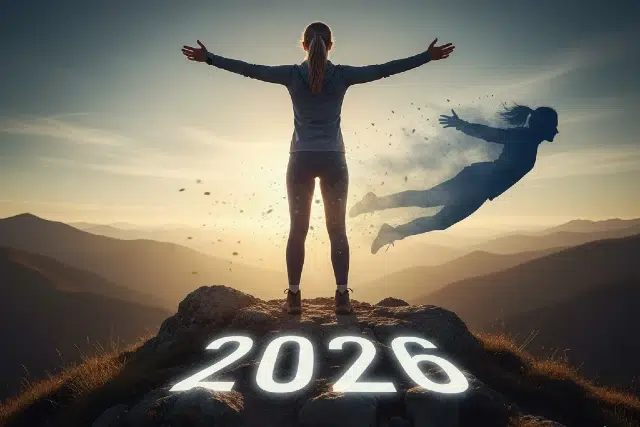
The past few years have been a lesson in how much pressure a person can handle before deciding they’ve had enough. Between burnout, digital overload, and a constant stream of global stress, people have started craving simplicity again — peace, not just distraction. That’s why 2026 is shaping up to be the year when people stop numbing themselves and start letting go of the habits that have quietly controlled their lives.
A Cultural Shift Toward Letting Go
There’s something different in the air lately. The conversation around self-improvement no longer sounds like a competition. It’s less about perfection and more about peace. When you look at the growing number of people turning off notifications, deleting certain apps, and rethinking their relationship with substances, you start to see a collective shift. It’s not about chasing the next trend in wellness anymore. It’s about finally being honest with yourself about what’s draining you.
In 2026, this honesty is turning into action. The wellness industry is still booming, but it’s taking a more grounded direction. People are questioning why they reach for certain habits and how those patterns fit into their identities. The focus isn’t just on detoxing or self-care routines — it’s on emotional clarity. That’s the difference between temporary change and transformation that actually sticks.
The Quiet Power Of Digital Recovery
The truth is, addiction treatment looks different now. It’s not limited to sterile facilities or in-person meetings. The stigma that once surrounded getting help has been breaking apart, largely because therapy and recovery options have moved online. It’s not uncommon to hear someone say that drug rehab over Zoom is an easy choice to make, because it fits real life. People can heal without upending their work schedules or hiding from their families.
This hybrid recovery model is helping people realize that support doesn’t have to feel clinical. It can be personal, flexible, and private. By 2026, the accessibility of digital recovery programs has made early intervention far more likely. When help feels approachable, people actually reach for it. That’s the kind of cultural progress that saves lives without anyone needing to make a big announcement about it.
Quitting Is The New Cool
It used to sound dramatic to say you were quitting something. Now it’s aspirational. More people are realizing that moderation is fine for some, but for others, total freedom only comes through cutting the cord completely. And that’s not limited to substances — it includes everything from social media to toxic relationships.
When it comes to quitting smoking, this mindset shift is especially noticeable. The old ads made it sound like you needed sheer willpower and a perfect support group. In reality, what’s driving this new wave of quitters is self-respect. People are tired of feeling like their lives belong to their cravings. The biggest motivator isn’t fear anymore — it’s curiosity. What could life feel like without this? What could mornings feel like without the fog, or nights without the anxious pull? That kind of curiosity is a stronger motivator than guilt ever was.
The shift is visible across generations. Younger adults aren’t glamorizing cigarettes, and older adults are deciding it’s not too late to reclaim their lungs. Even vapes, which once seemed like the “clean” alternative, are losing their appeal as awareness grows around the anxiety loop they can create. The truth is catching up with the marketing, and it’s changing behavior faster than any campaign ever could.
A Year Of Real Accountability
Accountability used to sound harsh, but now it’s being redefined as self-respect in action. People are tracking progress through journals, apps, or just honest conversations with friends. There’s less shame in saying, “I’m working on it,” because everyone’s working on something.
What’s changed is that the goal isn’t to impress anyone, it’s to finally live comfortably with yourself. That shift is powerful. It’s no longer about external validation but internal peace. For many, that means reevaluating not just substances but also how they spend their time, where they invest their energy, and who they surround themselves with.
The rise of accountability communities, both online and in-person, has given people the structure they didn’t know they needed. In 2026, this sense of community is what keeps momentum going. It’s no longer a lonely climb out of addiction or bad habits. It’s a movement fueled by people who understand that growth doesn’t have to be private to be personal.
The Future Is Simpler, And That’s The Point
After years of overcomplicating everything — from diets to productivity hacks — the collective mindset has started to favor simplicity. That means less multitasking and more presence. Less numbing and more feeling. It’s a brave shift because simplicity requires honesty, and honesty can be uncomfortable. But that’s where real change lives.
Letting go in 2026 isn’t about rejecting who you were. It’s about choosing not to carry what’s heavy anymore. Whether it’s alcohol, nicotine, social media, or whatever small vice has overstayed its welcome, people are realizing that freedom doesn’t come from having it all — it comes from needing less.
A Fresh Start That Stays
There’s a sense that this year is different, not because of some global campaign or dramatic event, but because people are finally aligning with what they already know deep down — that they deserve better. The distractions, the dependencies, the denial — it all loses its pull when you realize you’ve got too much life left to waste on anything that dulls it.
That’s why 2026 isn’t just another turn of the calendar. It’s the year you finally make peace with the idea that letting go doesn’t mean losing. It means you’re finally free to start living.