London’s surrounding countryside has become a massive film set over the past few decades, with period dramas, modern thrillers, and fantasy productions transforming historic houses, villages, and landscapes into fictional worlds that captivate audiences worldwide. While most visitors stick to the obvious film locations or expensive studio tours, the real treasures lie in the accessible filming spots that offer authentic experiences without tourist trap pricing.
The appeal goes beyond just seeing where favorite scenes were shot. These locations often represent some of England’s most beautiful historic properties and landscapes, places that would be worth visiting even without their screen credentials. The film and TV connections just add an extra layer of interest and recognition that makes the journey feel more purposeful.
But here’s the thing – not all filming locations make for good day trips. Some are barely accessible by public transport, others have limited opening hours, and quite a few disappoint visitors who expect more obvious connections to their favorite shows. The key is knowing which ones deliver memorable experiences and which ones are better admired from your couch.
Period Drama Locations That Actually Welcome Visitors
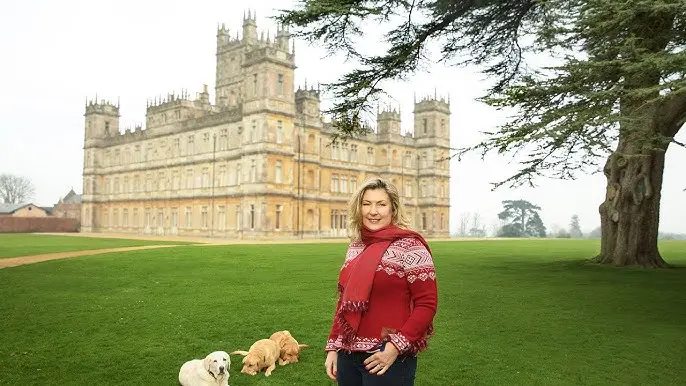
Highclere Castle, the real Downton Abbey, has become the poster child for TV tourism, but it’s far from the only grand estate open to visitors. Chatsworth House in Derbyshire served as Pemberley in the 2005 Pride and Prejudice film and offers spectacular gardens alongside house tours that showcase both its film credentials and impressive art collections.
The journey to Chatsworth requires advance planning – it’s about 2.5 hours from London by train and bus, making it a full-day commitment. But the estate offers enough to fill an entire day, with gardens, farmyard animals, and adventure playground areas that work for families alongside the historic house that period drama fans recognize from multiple productions.
Closer to London, Ham House in Richmond provides a more intimate period drama experience. This 17th-century house has appeared in numerous productions and sits just 30 minutes from central London. The National Trust property maintains authentic period interiors and offers guided tours that highlight both its history and its screen appearances.
Highclere Castle requires the most advance planning of the period drama locations, with limited opening days and timed entry requirements that can catch visitors off guard. For detailed guidance on visiting Downton Abbey Castle London, including booking strategies and transport options, specialized resources help navigate the complexities of this popular but logistically challenging day trip.
Modern Productions and Urban Filming Spots
While period dramas get most of the attention, London’s film tourism extends well beyond country estates. The Harry Potter films used numerous real locations around London and the surrounding areas, many of which remain accessible to visitors without expensive studio tour fees.
Leadenhall Market in the City of London served as the entrance to the Leaky Cauldron and remains a functioning Victorian market where visitors can grab lunch while admiring the ornate architecture. It’s completely free to visit and easily combined with other City attractions.
Oxford, just an hour from London by train, features prominently in the Harry Potter films, with Christ Church College serving as Hogwarts’ Great Hall. But Oxford offers much more than Harry Potter connections – it’s a university city with impressive architecture, good museums, and walkable city center that justifies the day trip regardless of film interests.
The recent popularity of Bridgerton has created new interest in Bath, which serves as Regency-era London in the series. Bath sits 90 minutes from London by train and offers Roman baths, Georgian architecture, and Jane Austen connections that appeal to period drama fans beyond just the Netflix series.
Lesser-Known Gems That Reward the Journey
Some of the most rewarding film location visits involve places that aren’t household names but offer authentic experiences without overwhelming crowds. Groombridge Place in Kent has appeared in numerous productions from Pride and Prejudice to Sherlock Holmes adaptations, and its gardens provide peaceful walks alongside peacocks and historic buildings.
The journey to Groombridge requires planning – it’s about 90 minutes by train and bus from London – but the estate rarely feels crowded and offers better value than some of the more famous filming locations. The gardens work particularly well in spring and summer, though the house tours operate year-round.
Dorney Court near Windsor has served as a filming location for everything from period dramas to modern thrillers, yet it remains relatively unknown to most visitors. The Tudor manor house offers intimate tours that feel more like visiting someone’s historic home than a tourist attraction, partly because it remains a family residence.
Practical Considerations for Film Location Day Trips
Transport planning becomes crucial for filming location visits since many sites lie in rural areas with limited public transport options. Train connections to market towns like Grantham (for Belton House), Matlock (for Chatsworth), or Royal Tunbridge Wells (for various Kent locations) often require onward bus journeys or taxi rides that add time and cost to the day trip.
Many film location properties operate seasonal schedules with limited winter opening hours. Historic houses often close completely during winter months or open only on weekends, making advance research essential. The weather also affects these visits more than urban sightseeing – country house gardens lose much of their appeal during persistent rain, and many properties have limited indoor shelter.
Booking requirements vary significantly between properties. National Trust sites usually allow walk-up visitors except during peak periods, while private estates like Highclere Castle require advance booking and operate limited opening schedules. Some properties offer film-themed tours on specific dates, while others simply acknowledge their screen appearances without making them central to the visitor experience.
Managing Expectations and Maximizing Experiences
The reality of film location tourism often differs from visitor expectations. Many filming locations appear briefly on screen or have been significantly altered by set decoration that’s no longer visible. Interior filming often takes place on specially constructed sets rather than in the actual buildings visitors tour.
What these locations offer instead is the chance to experience the authentic historic properties and landscapes that attracted film makers in the first place. The real Chatsworth House contains far more artistic and architectural treasures than any Pride and Prejudice adaptation could showcase, and the real Highclere Castle has centuries of history that extend well beyond its Downton Abbey fame.
The most satisfying film location visits combine screen recognition with independent interest in the history, architecture, or gardens. Visitors who enjoy these places for their own merits tend to have better experiences than those focused solely on recreating favorite TV moments.
Seasonal Strategies and Crowd Management
Timing film location visits strategically helps avoid crowds while maximizing the experience. Spring offers the advantage of blooming gardens without summer tourist crowds, though some properties maintain limited opening hours. Summer provides the longest opening hours and best weather but also the heaviest crowds, particularly on weekends.
Early autumn often provides the best balance – gardens still look good, opening hours remain extended, but summer crowds have diminished. Winter visits work well for house tours but gardens obviously lose their appeal, and many properties reduce their opening days significantly.
Weekday visits almost always provide better experiences than weekends, with fewer crowds, more relaxed touring pace, and often better opportunities for photography. Many National Trust properties offer different experiences on different days – some have volunteer-led tours on specific days, while others operate with minimal staff on quieter weekdays.
Film location day trips from London reward visitors who approach them as historic property visits enhanced by screen connections rather than pure entertainment experiences. The best locations offer compelling reasons to visit beyond their filming credentials, whether that’s architectural significance, garden beauty, or historical importance. When the film connections add recognition and context to places worth visiting in their own right, these day trips provide memorable experiences that satisfy both entertainment interests and cultural curiosity.