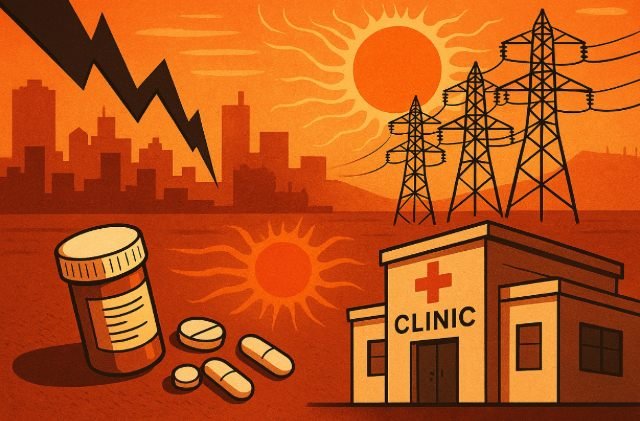
Power cuts happen. Heat waves roll in. Patients still need care. Safe medicine is not optional, so clinics have to be ready even when the weather or power gets messy. This is a simple guide to how teams keep cool heads and cool fridges, without turning the day into chaos. It covers why temperature matters, what good gear does, and the small steps that keep doses safe until they reach a patient’s arm.
Why temperature control matters
Many medicines and vaccines need a narrow temperature range to work. Too warm or too cold can break them. The change does not have to be extreme. Even a short spike can ruin doses. That means clinics track temperature all day, every day. They use fridges built for healthcare, not kitchen models. They also use tools that record temperature so staff can prove the stock stayed safe.
Think about the goal. Keep doses between the approved limits. Avoid long door-open times. React fast if there is an alarm. Write down what happened. When this routine is clear, small hiccups do not turn into big losses.
What a good medical fridge actually does
A medical-grade fridge does more than chill. It spreads cold air evenly so the top shelf, middle, and bottom stay close in temperature. It has fans, sensors, and tight seals. It recovers fast when someone opens the door. It alarms when the temperature drifts or the door is left open. It can be paired with a data logger that records readings all day. Some systems send alerts to a phone or a desk screen so no one misses a problem.
Placement matters too. The unit should not sit next to a window that bakes in the sun. It needs space around it so air can move. Staff check the gaskets, hinges, and filters the same way a driver checks tires. None of this is fancy. It’s just steady care.
Picking gear you can trust
Gear choices are easier when the clinic trusts the brand behind them. Reliable support, simple parts, and clear manuals save time when stress is high. In Australia, many teams turn to Rollex Medical for vaccine fridges and monitoring tools because the focus is on steady temperature and clear, useful alerts. Choosing well at the start lowers panic later, especially during storms or heat waves.
Tiny habits that stop big problems
Habits beat luck. A short daily checklist keeps everyone on track:
- Check and record the min and max temps at opening and closing.
- Scan for alarms. Fix root causes, not just the warning sound.
- Keep stock in labeled baskets so bottles do not block vents.
- Log deliveries at the door. Put new doses in back so older stock gets used first.
- Make sure the backup plan is printed, easy to find, and understood by the whole team.
These steps take minutes. They also prevent hours of trouble.
When the power dies
Power cuts turn a calm day shaky. A simple plan restores control:
First, keep the fridge door shut. Cold air escapes fast when opened, so resist the urge to look. Second, check the room temp and note the time the power failed. Third, start the backup power if the clinic has one. Many sites use an uninterruptible power supply to bridge short cuts. For longer events, some clinics plug fridges into a small generator. Fourth, watch the data logger. If the internal temp stays in range, stock can remain. If it rises toward the limit, move the most valuable or most urgent doses first.
If relocation is needed, move doses in validated coolers with ice bricks that have been conditioned. Do not bury vials in loose ice. Place a logger inside the cooler. Label the cooler and record each step. This keeps the audit trail clean and proves the stock stayed safe.
Heat waves and summer rules
Heat waves add extra pressure even with the power on. The building gets warm. Doors open more often. Deliveries can arrive pre-warmed from hot vans. Staff can fight this by:
- Lowering the room blinds to block sun.
- Using fans or air conditioning to keep the room itself in range.
- Asking delivery drivers to come in the cooler parts of the day.
- Opening the fridge door with a plan. Know what to grab. Close it fast.
Consider a “two-person rule” during peak heat. One person reads the pick list, the other finds the items. This cuts door-open time in half.
Cold chain from door to dose
“Cold chain” is a simple idea: every step from factory to patient keeps the right temperature. In a clinic, that chain covers delivery, storage, handling, and the final handoff. Breaks in the chain are sneaky. A tray set on a bench for ten minutes while someone takes a phone call can warm up. A box placed near a heater vent can drift out of range. A vaccine drawn up and left on a trolley can sit too long.
Set clear spots for safe staging. Use small baskets that go from fridge to bench and back quickly. Keep a clock on the wall near the prep area. Mark a five-minute rule for anything that leaves the fridge. If it has been out longer than the rule allows, return it and record what happened.
Training that sticks
Training works when it is short, repeated, and practical. The best sessions use the real fridge, the real logger, and the real forms. Instead of long slides, teams run a quick drill:
- “There’s a temp alarm. What’s step one?”
- “The power is out. Where is the generator key?”
- “This cooler needs to move stock. Who signs the log?”
New staff should shadow a shift that includes a temp check, a delivery, and a mock alarm. Everyone should know who to call for tech help. Names and numbers should be on the wall near the fridge.
Smart checks without stress
Data helps people stay calm. A good system shows trends, not just single readings. If the graph shows steady control, staff relax and keep going. If the graph shows slow warming at lunch every day, the team adjusts habits or setup. Maybe the fridge is too full. Maybe warm trays sit in front of the fan. Small fixes often solve big patterns.
Monthly reviews keep the system honest. Pick one day to audit logs, check sensor batteries, clean filters, and look at door seals. Test the alarm sound and confirm who receives text alerts. If a step feels clunky, change it. The best process is the one people actually use.
What happens after an incident
Even strong systems face bad days. A fuse blows. A storm hits. A staff member forgets and leaves the door open. What matters most is the response. First, protect the stock. Second, document the event with times, temps, and actions. Third, report to the right body if required by local rules. Finally, review the cause and fix the gap.
Blame helps no one. Clear steps help everyone. When the team sees problems handled fairly, they report issues faster the next time.
Why calm beats clever
Fancy features are good, but calm routines are better. A fridge that holds temp, an alarm that gets attention, and a plan that people remember — that trio saves the day. The goal is not to collect gadgets. The goal is to deliver safe doses, on time, with no drama.
If the clinic’s setup feels fragile, start with one change this week. Move the fridge to a cooler corner. Add a daily min/max check with a real signature. Print the power cut plan and put it next to the unit. Small wins stack up fast.
Key takeaways and next steps
Medicine safety depends on steady temperature, quick action, and simple habits. Choose reliable gear that spreads cold evenly and warns early. Place fridges in smart spots. Log temps at opening and closing. Keep a clear plan for power cuts, including coolers and a way to prove the stock stayed safe. During heat waves, reduce door-open time and control the room. Train with real drills so everyone can act without guesswork.
If the system already works, great — keep it sharp with monthly checks. If it needs work, pick one step to fix today and another to fix next week. Patients will never see these quiet moves, but they will feel the result when their care stays smooth, even when the lights go out or the weather turns fierce.