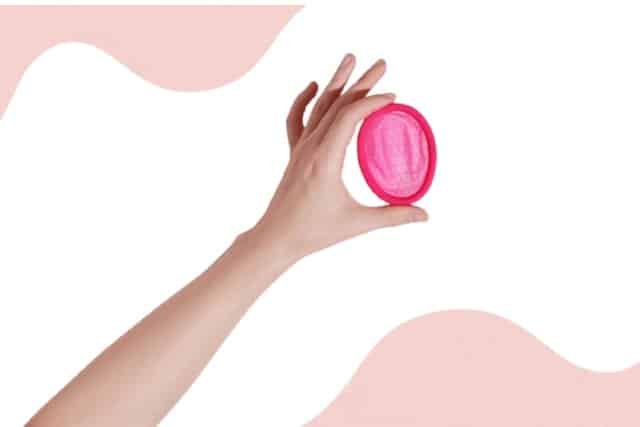
The menstrual disc has become a popular alternative to traditional menstrual products like pads, tampons, and cups. Offering comfort, longer wear times, and convenience during activities such as swimming or exercising, menstrual discs are increasingly embraced by people seeking effective period care solutions. However, like any internal menstrual product, safety and hygiene are paramount to ensure a healthy experience. This article explores important considerations about menstrual disc safety and hygiene to help you use this product confidently and safely.
What Is a Menstrual Disc?
A menstrual disc is a flexible, disposable or reusable device designed to fit inside the vaginal canal, collecting menstrual fluid instead of absorbing it. Unlike menstrual cups that sit lower in the vaginal canal, menstrual discs are placed higher near the cervix, providing a leak-proof barrier while allowing for greater comfort and flexibility.
The unique positioning and design make menstrual discs less likely to cause dryness or irritation, but understanding how to maintain hygiene and safety when using one is crucial.
Safety Considerations When Using a Menstrual Disc
1. Proper Insertion and Removal
Correct insertion and removal are essential to prevent discomfort and potential infections. Before inserting a menstrual disc, wash your hands thoroughly with soap and water to reduce the risk of introducing bacteria.
When removing the disc, gently pinch the rim to break the seal and slowly pull it out to avoid spills or injury. Following these steps minimizes the chance of irritation or bacterial contamination.
2. Limit Wearing Time
While menstrual discs can be worn for up to 12 hours depending on flow, it’s important not to exceed this recommended time frame. Extended wear increases the risk of bacterial growth and infection, including toxic shock syndrome (TSS).
Changing the disc regularly, especially during heavier flow days, helps maintain vaginal health and prevents unpleasant odors.
3. Cleanliness of Reusable Discs
For reusable menstrual discs, cleaning is vital. After removal, wash the disc with warm water and mild, unscented soap or a designated menstrual cup cleanser. Avoid harsh chemicals or strong soaps that can damage the material or disrupt the vaginal microbiome.
Dry the disc completely before storing it in a breathable pouch to prevent mold and bacterial growth.
Hygiene Practices for Menstrual Disc Users
1. Hand Hygiene
Always wash your hands before and after handling the menstrual disc. Clean hands prevent the transfer of germs and bacteria, reducing the risk of infection.
2. Vaginal Health Awareness
Listen to your body. If you experience unusual itching, burning, or discharge, remove the menstrual disc and consult a healthcare professional. These symptoms can indicate infections or allergies.
3. Storage
Store your menstrual disc in a clean, dry place when not in use. Use the container or pouch provided by the manufacturer to protect it from dust and contaminants.
Addressing Common Myths About Menstrual Disc Safety
- Myth 1: Menstrual discs cause toxic shock syndrome (TSS) more than other products.
While any internal menstrual product can carry a TSS risk if misused, proper hygiene and following recommended wear times make menstrual discs safe. Research does not show a higher TSS risk with menstrual discs compared to tampons or cups. - Myth 2: Menstrual discs are difficult to insert and remove safely.
With practice, most users find menstrual discs easy to handle. Many brands provide detailed instructions and videos to help users gain confidence. - Myth 3: Menstrual discs can get lost inside the body.
Due to their design and placement near the cervix, menstrual discs cannot get lost inside the body. The vaginal canal is a closed space, and the disc can always be reached and removed safely.
Choosing the Right Menstrual Disc for You
Different brands and types of menstrual discs offer varying sizes, materials, and flexibility. When selecting a disc, consider:
- Material: Medical-grade silicone is common for reusable discs, offering durability and hypoallergenic properties. Disposable discs may be made from flexible plastics.
- Size: Some brands provide size options based on age, childbirth history, or flow. Choosing the correct size ensures comfort and leak prevention.
- Brand Reputation: Opt for trusted brands with positive reviews and clear safety standards.
Benefits of Menstrual Disc Hygiene Beyond Safety
Maintaining proper hygiene with your menstrual disc not only prevents infections but also enhances your overall comfort. Clean discs reduce odor, skin irritation, and the risk of allergic reactions, making your period experience more pleasant.
Additionally, good menstrual hygiene supports vaginal microbiome balance, crucial for long-term reproductive health.
Tips for First-Time Menstrual Disc Users
- Start with a smaller or beginner-friendly disc if available.
- Practice insertion and removal in a comfortable, private setting before relying on it during daily activities.
- Use water-based lubricants if needed to ease insertion.
- Carry spare discs or wipes when traveling or at work for quick changes.
- Read all manufacturer instructions carefully and follow recommended guidelines.
Conclusion
The menstrual disc is a versatile and convenient menstrual product that, when used with proper safety and hygiene practices, offers a comfortable and healthy alternative to traditional period products. Understanding the importance of handwashing, correct wear times, cleaning reusable discs, and listening to your body ensures you can enjoy all the benefits of the menstrual disc without compromising your health.
By debunking myths and promoting responsible use, more people can confidently incorporate menstrual discs into their period care routine—making menstruation more manageable and eco-friendly.