Introduction
In the oil and gas industry, ensuring safe and efficient operations is paramount. Among the critical components that help achieve these goals are pipe floats. These devices play a crucial role in maintaining pipeline stability, especially in offshore environments where traditional support structures are often impractical. Pipe floats are designed to provide buoyancy to pipelines, helping to prevent damage and improve overall efficiency. In this article, we explore how pipe floats, along with their associated systems and solutions, contribute to the success of oil and gas operations.

Source- Pipe & Hose Floats
Understanding Pipe Floats in Oil and Gas
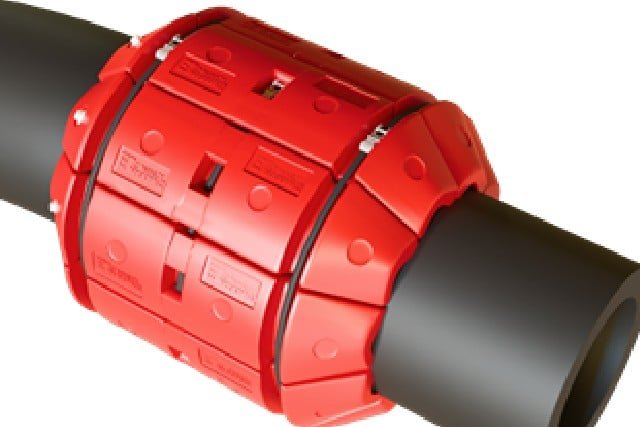
Pipe floats are essential tools used in both onshore and offshore oil and gas operations. These flotation devices are attached to pipelines to provide buoyancy, allowing them to stay afloat on water bodies or be supported in air during transportation and installation.
Why Are Pipe Floats Crucial in Oil and Gas Operations?
The primary function of pipe floats in oil and gas is to provide support during the installation of pipelines, particularly in offshore environments where traditional infrastructure is not feasible. These flotation systems help ensure that pipelines remain stable and maintain their desired positions, even in turbulent waters. Moreover, they help reduce the risk of pipeline damage, which could result in environmental disasters or costly repairs.
Key Types of Pipe Floats and Their Applications
Oil and Gas Pipeline Floats
Oil and gas pipeline floats are specifically designed to assist in the transportation and installation of pipelines. These floats can vary in design depending on the type of pipeline, its size, and the specific conditions of the operating environment. Some are rigid and durable, while others are inflatable and adjustable. The key factor for these systems is their ability to withstand the harsh conditions of oil rigs, deep waters, and extreme weather.
Floating Pipe Support Systems
Floating pipe support systems are engineered to secure pipes during offshore construction, including the laying of pipelines along the ocean floor. These support systems help maintain the integrity of the pipeline during transportation and installation by ensuring the pipe remains buoyant and stable. Additionally, they prevent the pipeline from submerging prematurely or becoming dislodged due to shifting ocean currents.
Offshore Pipeline Floats
Offshore pipeline floats are essential in deep-water oil and gas operations. These floats help support the pipeline during the complex process of installation on the seabed. Offshore pipeline floats are designed to provide stability and buoyancy in extreme underwater environments, ensuring that the pipeline is properly positioned and aligned with the intended installation site.
How Pipe Floats Enhance Safety and Efficiency
Pipeline Buoyancy in Oil and Gas
Pipeline buoyancy is a crucial factor in offshore oil and gas operations. The buoyancy provided by pipe floats helps keep the pipeline in place, preventing it from floating away or becoming vulnerable to external forces like waves or currents. This stability minimizes the risk of pipeline failure or displacement, which can result in costly operational delays and safety hazards.
Pipe Floatation Solutions for Oil and Gas
Effective pipe floatation solutions are integral to the success of oil and gas operations. These solutions include a variety of flotation systems that provide the necessary support and buoyancy to pipelines. Whether for transporting pipes over long distances or supporting them during installation, pipe floatation systems help increase operational efficiency, reduce downtime, and ensure that pipelines are laid without incident.
Oil Rig Pipe Flotation
Oil rig pipe flotation is a vital aspect of offshore drilling operations. Pipe floats are used extensively on oil rigs to support the pipeline during its transport and installation phases. By maintaining the pipeline’s buoyancy, oil rig pipe flotation helps prevent damage and ensures that the pipeline is properly placed and secured in place before permanent connections are made.
The Installation Process of Pipe Floats in Offshore Operations
Installing pipe floats in offshore operations requires a detailed and carefully executed process. Here’s an overview of the key steps involved:
- Preparation and Design
The first step involves determining the type of pipe floats needed for the specific operation. This involves considering the environmental conditions, the pipeline size, and the required buoyancy. - Float Installation
Once the necessary pipe floats are chosen, they are installed along the pipeline. This can be done using cranes, helicopters, or other heavy-lifting equipment, depending on the offshore setup. - Pipeline Positioning
After the pipe floats are installed, the pipeline is carefully positioned and aligned with the seabed, ensuring it is supported by the floats throughout the installation process. - Final Checks and Securing
Before the pipeline is lowered to its final position, a series of checks are performed to ensure that the pipe floats are properly functioning. Any adjustments are made, and the pipeline is secured in place for permanent installation.
Challenges Faced During Installation
While installing pipe floats is crucial, the process can be complex. The unpredictable nature of ocean conditions, such as strong currents and rough seas, can make installation challenging. Proper planning, preparation, and the use of reliable pipe float manufacturers can help mitigate these risks and ensure the smooth installation of the pipeline.
Pipe Float Manufacturers and Their Role in the Industry
Pipe float manufacturers play a critical role in the oil and gas industry. These companies design and produce the flotation systems that make offshore and onshore pipeline operations safer and more efficient. They are constantly innovating to improve the durability, ease of use, and buoyancy of their products.
Leading manufacturers of pipe floats invest in research and development to create solutions that can withstand the harshest environments. Their products are rigorously tested to meet industry standards, ensuring that they provide reliable performance throughout their operational lifespan.
Conclusion
Pipe floats are indispensable tools in the oil and gas industry, playing a vital role in ensuring safe and efficient operations. Whether in offshore drilling, pipeline installation, or everyday maintenance, pipe floats provide the necessary support to keep pipelines in place and functioning optimally. As the industry continues to evolve, so too will the technology behind pipe floatation solutions, making them more effective and reliable. Through the innovations of pipe float manufacturers and ongoing advancements in flotation systems, the future of oil and gas pipeline operations looks safer, more efficient, and more sustainable than ever before.