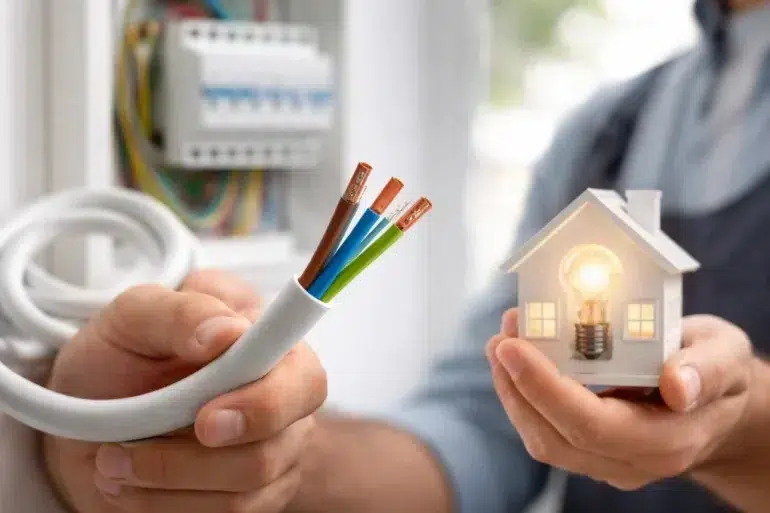
Electricity powers almost every aspect of modern living, from lighting and kitchen appliances to air conditioning and smart home devices. While most homeowners focus on the appliances they buy, few think about the wiring behind the walls that keeps everything running safely. One small but crucial component in residential electrical systems is the 2.5 Mm 3 Core Cable.
This type of electrical cable plays a vital role in maintaining safe and reliable power distribution in homes. Whether you’re installing new wiring or upgrading an older electrical system, understanding how a 2.5 Mm 3 Core Cable works can help prevent overloads, reduce fire risks, and improve overall electrical safety.
In modern homes where multiple devices run simultaneously, choosing the correct cable is not just a technical decision but also a safety priority. In this guide, we’ll explore how this cable improves electrical safety, where it’s commonly used, and why electricians often recommend it for residential installations.
Understanding the Basics of 2.5 Mm 3 Core Cable
Before diving into safety benefits, it helps to understand what this cable actually is and how it functions within a home electrical system.
A 2.5 Mm 3 Core Cable is an electrical cable that contains three insulated conductors inside a protective outer sheath. Each conductor typically has a cross-sectional area of 2.5 square millimeters, which determines how much current the cable can safely carry.
The Three Cores Explained
The three cores usually serve different purposes in electrical wiring:
• Live wire (phase) – carries electrical current from the power source
• Neutral wire – returns current to the source
• Earth wire (ground) – provides protection against electrical faults
This three-core design improves safety because it allows appliances and circuits to remain properly grounded.
Why 2.5 mm Size Matters
The 2.5 mm thickness of each conductor makes the cable suitable for medium-load circuits, including:
• Power sockets
• Small appliances
• Kitchen outlets
• Lighting circuits in larger spaces
According to electrical standards used in many countries, a 2.5 mm cable can typically carry around 18–24 amps depending on installation conditions, making it ideal for household power distribution.
Why Electrical Safety Matters in Modern Homes
Homes today consume far more electricity than they did even a decade ago. From smart TVs and gaming consoles to air fryers and washing machines, modern households rely on dozens of electrical devices daily.
The Electrical Safety Foundation International reports that home electrical fires account for over 51,000 fires each year in the United States alone, causing hundreds of deaths and billions in property damage.
Many of these incidents are linked to faulty wiring, overloaded circuits, or outdated electrical components.
This is where using the correct wiring, including a 2.5 Mm 3 Core Cable, becomes essential for protecting both property and people.
How 2.5 Mm 3 Core Cable Improves Electrical Safety
1. Better Current Handling Capacity
One of the biggest safety advantages of this cable is its ability to carry higher current loads safely.
Thinner wires heat up faster when too much current passes through them. Excess heat can melt insulation, damage circuits, and potentially start fires.
The 2.5 mm conductor size provides enough capacity to safely power most household sockets and appliances without overheating.
This makes it a safer choice for:
• Kitchen circuits
• Laundry areas
• Living room sockets
• Home office equipment
By handling electrical load efficiently, it reduces the risk of overheating and electrical faults.
2. Built-In Grounding Protection
The third core inside the cable is dedicated to grounding, which plays a major role in electrical safety.
Grounding ensures that if a fault occurs, excess current flows safely into the earth instead of passing through a person or appliance.
Without proper grounding, electrical shocks can occur when touching metal appliances or fixtures.
With a 2.5 Mm 3 Core Cable, grounding becomes part of the cable design itself, making installations more secure.
3. Reduced Risk of Electrical Fires
Electrical fires often start when wiring insulation melts due to excessive heat or poor connections.
A properly installed 2.5 mm 3 core electrical cable helps prevent this problem in several ways:
• Supports safe current flow
• Prevents wire overheating
• Maintains stable power distribution
• Handles multiple devices connected to sockets
These factors work together to significantly lower the risk of wiring-related fires in homes.
4. Improved Circuit Stability
Modern homes frequently experience voltage fluctuations and sudden power demand changes.
A cable with adequate conductor size helps maintain stable current flow across circuits.
This reduces:
• Voltage drops
• Power interruptions
• Electrical noise affecting appliances
Stable circuits not only improve safety but also extend the lifespan of electronics.
5. Stronger Insulation and Protective Sheathing
Most 2.5 mm three core cables are manufactured with high-quality insulation materials such as PVC or XLPE.
These materials provide protection against:
• Moisture
• Heat
• Mechanical damage
• Short circuits
High insulation quality prevents exposed wires and accidental contact, which are common causes of electrical accidents.
6. Compatibility with Modern Electrical Standards
Modern electrical codes in many countries require grounding and appropriate wire sizing for safety.
Using the correct cable size ensures compliance with these standards.
Professional electricians often recommend 2.5 mm cables for socket circuits because they meet current safety requirements and provide reliable performance.
Common Household Applications
The 2.5 Mm 3 Core Cable is widely used in residential wiring because it balances safety, durability, and performance.
Here are some typical uses in modern homes.
Power Socket Circuits
Wall outlets for appliances such as microwaves, kettles, and refrigerators commonly use 2.5 mm wiring.
These appliances draw moderate current, making this cable size suitable for continuous operation.
Kitchen Electrical Systems
Kitchens typically contain multiple power-hungry devices operating simultaneously.
Using proper wiring prevents circuit overload and ensures appliances operate safely.
Garage and Workshop Wiring
Power tools and equipment used in garages often require stable and safe electrical supply.
A three core cable helps maintain grounding protection and power reliability.
Air Conditioning Units
Small to medium air conditioning systems may also use this cable depending on their power requirements.
Proper wiring prevents overheating and ensures consistent performance.
Comparing Cable Sizes for Home Safety
Understanding how cable sizes differ can help homeowners make informed decisions when planning electrical work.
| Cable Size | Typical Use | Safety Capacity |
|---|---|---|
| 1.5 mm cable | Lighting circuits | Low load |
| 2.5 mm cable | Socket outlets | Medium load |
| 4 mm cable | Heavy appliances | Higher load |
Among these options, the 2.5 mm size offers an excellent balance between safety and flexibility, which is why it is so common in residential installations.
Key Advantages of Using 2.5 Mm 3 Core Cable
Homeowners and electricians prefer this cable for several reasons.
Reliable Power Distribution
The cable delivers consistent power without frequent voltage drops or fluctuations.
Enhanced Safety Features
The built-in grounding wire reduces the risk of electric shocks.
Durability
Strong insulation materials increase cable lifespan and reduce maintenance.
Cost Efficiency
Compared with thicker industrial cables, it offers a practical and affordable solution for residential wiring.
Installation Best Practices
Using the correct cable is important, but proper installation is just as critical.
Here are a few safety practices electricians recommend.
Avoid Overloading Circuits
Even with strong wiring, connecting too many devices to one outlet can overload the circuit.
Use Certified Electrical Components
Always choose certified cables and electrical accessories that comply with national standards.
Maintain Proper Cable Routing
Cables should be installed in protective conduits or trunking to avoid mechanical damage.
Hire Qualified Electricians
Professional installation ensures the wiring meets electrical safety codes and functions correctly.
Real-Life Example: Preventing Electrical Hazards
Consider a typical modern living room with multiple devices running at once.
• Television
• Gaming console
• WiFi router
• Sound system
• Charging stations
If these devices were connected using undersized wiring, the circuit could easily overheat.
Installing a 2.5 Mm 3 Core Cable ensures that the wiring can handle these loads safely while maintaining proper grounding.
This significantly reduces the chances of electrical faults or fires.
Signs Your Home Wiring Needs Upgrading
Older homes may still use outdated or undersized wiring systems.
Watch for these warning signs:
• Frequent circuit breaker trips
• Flickering lights
• Burning smell near outlets
• Warm electrical sockets
• Limited grounding protection
Upgrading to modern cables like 2.5 mm three core wiring can dramatically improve safety.
The Role of Quality Materials in Electrical Safety
Electrical safety doesn’t depend only on cable size but also on manufacturing quality.
Trusted manufacturers test cables for:
• Heat resistance
• Load capacity
• Insulation durability
• Compliance with international standards
Reliable wiring materials ensure that electrical systems operate safely for decades.
Near the end of any safe installation discussion, it helps to remember the basic principles of electrical wiring and how proper design, grounding, and cable selection contribute to safer homes.
Conclusion
Electrical safety in modern homes depends heavily on the quality and design of the wiring behind the walls. While it may not be visible, the right cable can make a significant difference in preventing electrical hazards.
The 2.5 Mm 3 Core Cable offers a practical combination of current capacity, grounding protection, durability, and compatibility with modern electrical standards. These features make it one of the most reliable choices for residential wiring.
From powering everyday appliances to protecting families from electrical faults, this cable plays an essential role in maintaining safe and efficient home electrical systems.
Homeowners planning new installations or upgrades should always consider proper cable sizing and professional installation practices to ensure their homes remain safe, efficient, and future-ready.